


Contact us
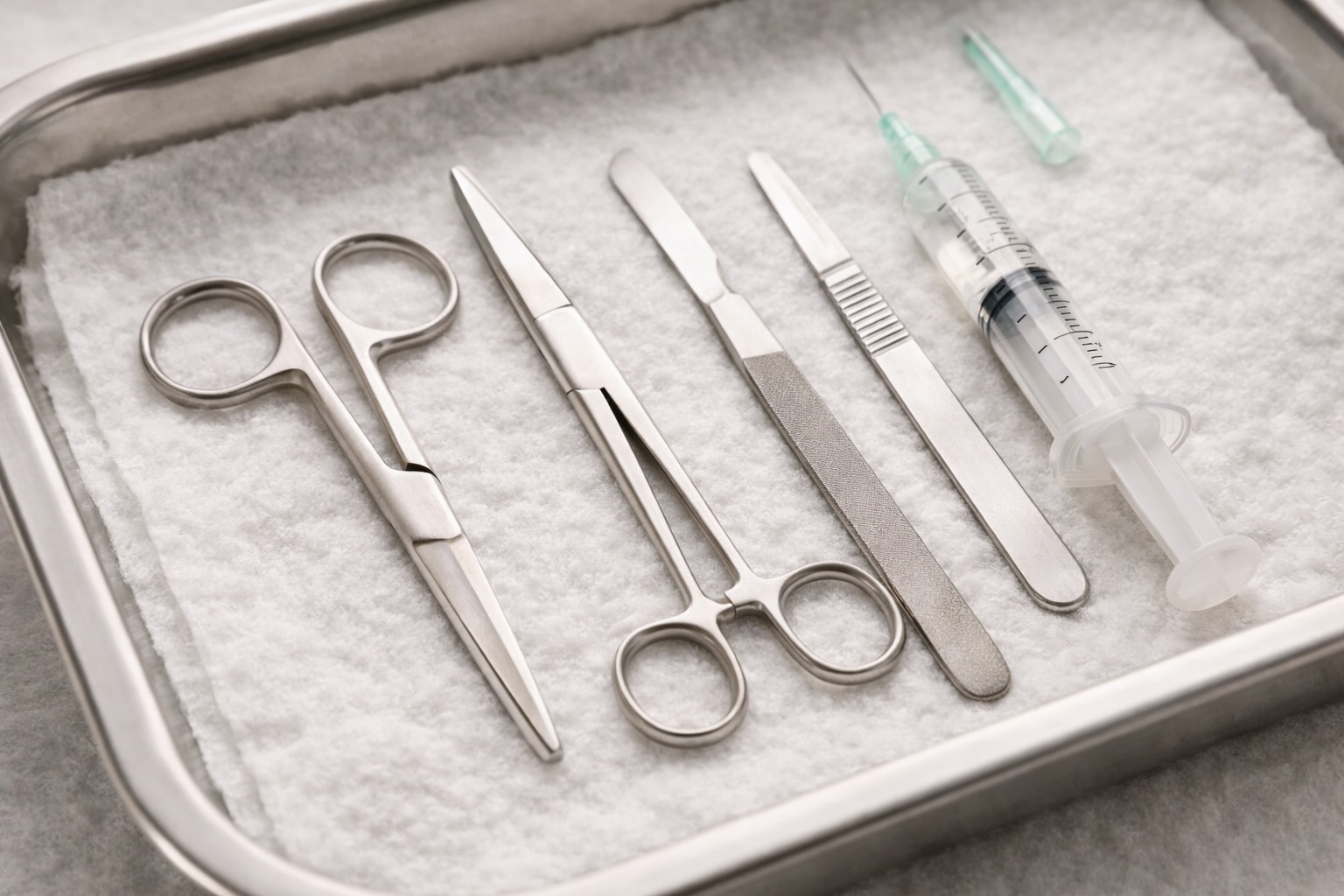
Medical Wipes: Types, Uses & Nonwoven Materials Guide
Medical wipes are specially designed cleaning products that remove germs, bacteria, and contaminants from surfaces, equipment, and skin in healthcare settings. Healthcare facilities rely on these wipes daily to reduce the risk of infections and maintain hygiene standards. Understanding the different types of medical wipes and their proper uses helps you make informed decisions for your healthcare facility
-
Recent Post
-
Lint Free Wipes: What Makes Them Different?
In precision cleaning, the wipe you choose can be as critical as the process itself. Lint free wipes
31.05.2026
Read Article -
Surface Cleaning Wipes: Material Guide and Applications
Surface cleaning wipes are a hygiene essential across household, healthcare, dental, and industrial
15.05.2026
Read Article -

INDEX 2026 Geneva: Everything You Need to Know About the World's Biggest Nonwovens Trade Show
INDEX 2026 is the world's largest nonwovens trade show, held every three years at Palexpo Geneva. Th
05.05.2026
Read Article -
Industrial Wipes: Types and Key Benefits
Every factory floor, workshop, and cleanroom runs on something smaller than it looks: the right wipe
01.05.2026
Read Article -
Non Woven Fabric Manufacturing Process: A Complete Guide to Methods, Materials, and Quality Control
Non woven fabric manufacturing begins with a simple decision: which fiber, which formation method, a
24.04.2026
Read Article -
Spunlace Non Woven Fabric: Applications, Properties, and Performance Guide
There is a good chance you touched spunlace non woven fabric in a facial wipe, a baby care pad, or a
27.04.2026
Read Article -
What Is Non woven Fabric? Types, Uses, and Key Benefits Explained
What is non woven fabric? This question is becoming increasingly relevant as industries move toward
28.04.2026
Read Article -
Built for the Planet: How Nonwovens Are Leading the Sustainable Manufacturing Revolution
On World Earth Day 2026, Elixrr explores how pulp-based spunlace nonwovens drive real environmental
25.04.2026
Read Article -
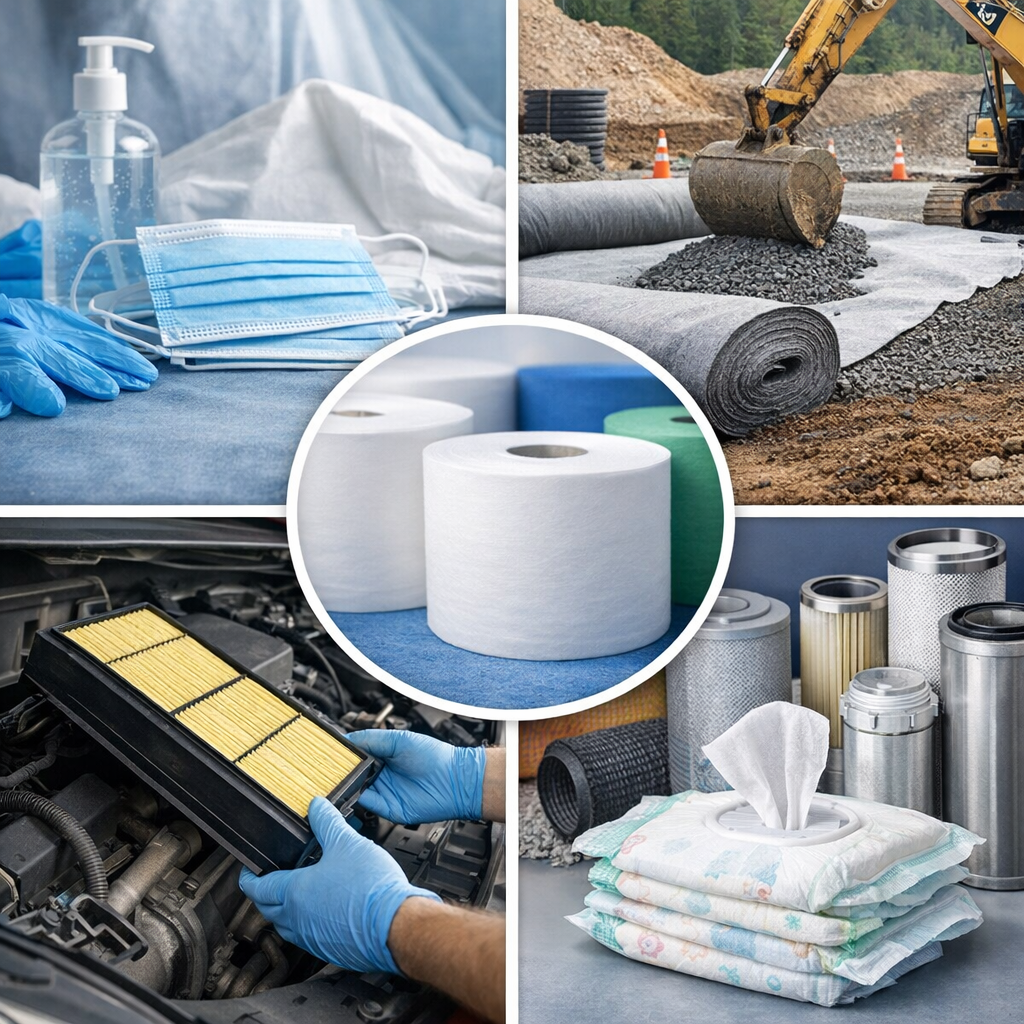
Non Woven Fabric Textile Applications Across Industries: Comprehensive Use Cases
Nonwoven fabrics are widely used across industries for their versatility, cost-effectiveness, and ta
25.03.2026
Read Article -
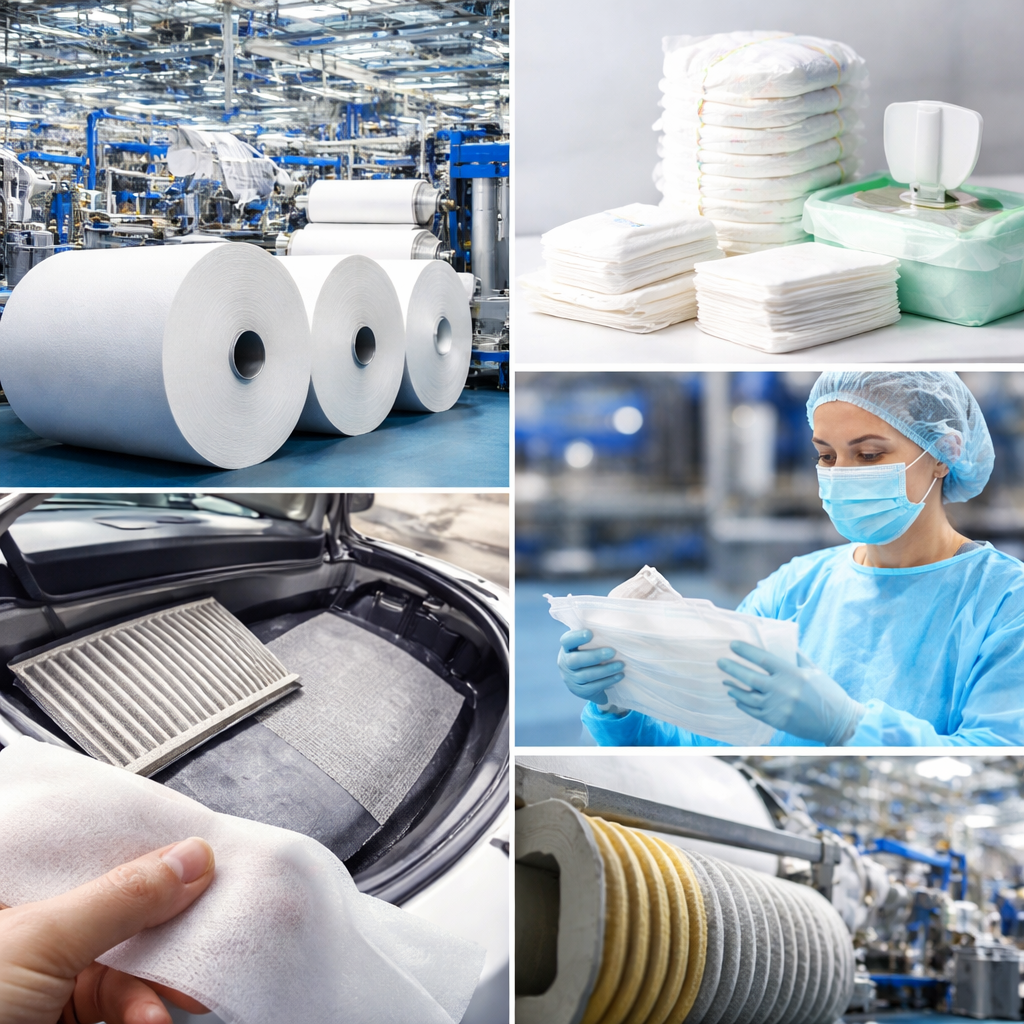
Global Nonwoven Market Trends and Growth Opportunities: 2026 Outlook
The global nonwoven market is expanding rapidly due to strong demand from hygiene, medical, filtrati
18.03.2026
Read Article -
Difference Between Woven and Non-Woven Fabrics: Key Structural, Performance, and Application Differences
Woven and non-woven fabrics differ in how they are made, how they perform, and where they are used.
05.03.2026
Read Article -
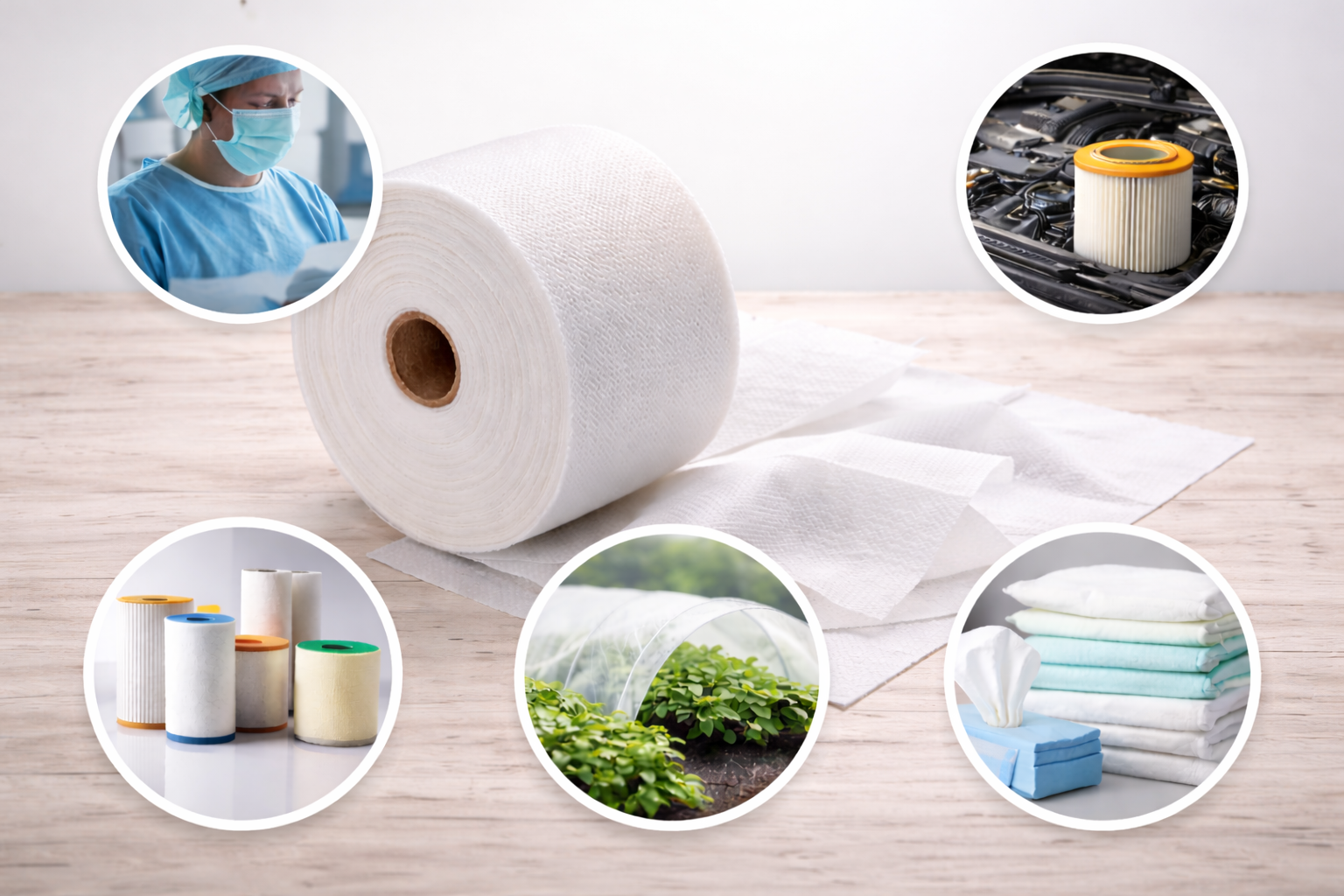
What Are the Uses of Nonwoven Fabric? Practical Applications and Industry Examples
Nonwoven fabrics are versatile materials used across healthcare, hygiene, filtration, automotive, ag
20.02.2026
Read Article -
Types of Non-Woven and Their Uses: Applications, Manufacturing Methods, and Industry Examples
Nonwoven fabrics are engineered materials made by bonding fibres rather than weaving them together.
06.02.2026
Read Article -

What Are Biodegradable Materials and Why Do They Matter?
What biodegradable materials are, how they work, real-world examples, and why they are becoming non-
09.01.2026
Read Article -
What is Recyclable Nonwoven Fabric and Why is it Important?
That’s where recyclable nonwoven fabric comes in. It addresses a real problem. High-volume disposa
14.01.2026
Read Article -
Uses of Non Woven Fabric: 15 Practical Applications
Explore the top uses of non woven fabric across medical, hygiene, filtration, automotive, agricultur
11.12.2025
Read Article -
Why Use Nonwovens in Medical and Healthcare?
Nonwovens are used in medical and healthcare because they solve the real constraints of modern care:
15.12.2025
Read Article -
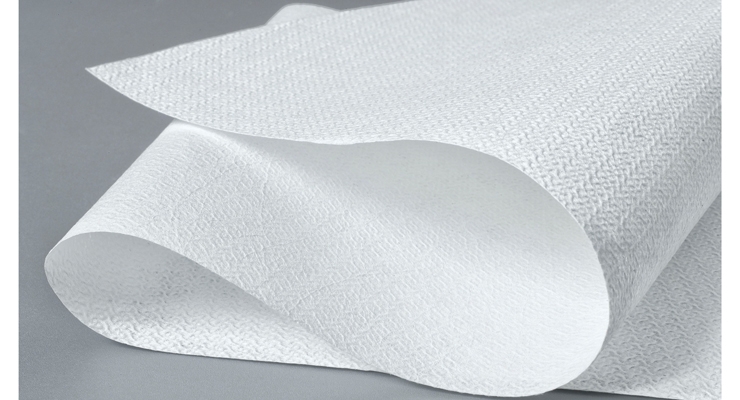
Dry Wipes Non Woven Fabric. Uses, Types and Benefits
Learn what dry wipes non woven fabric is, its types, materials, manufacturing process, applications,
25.12.2025
Read Article -
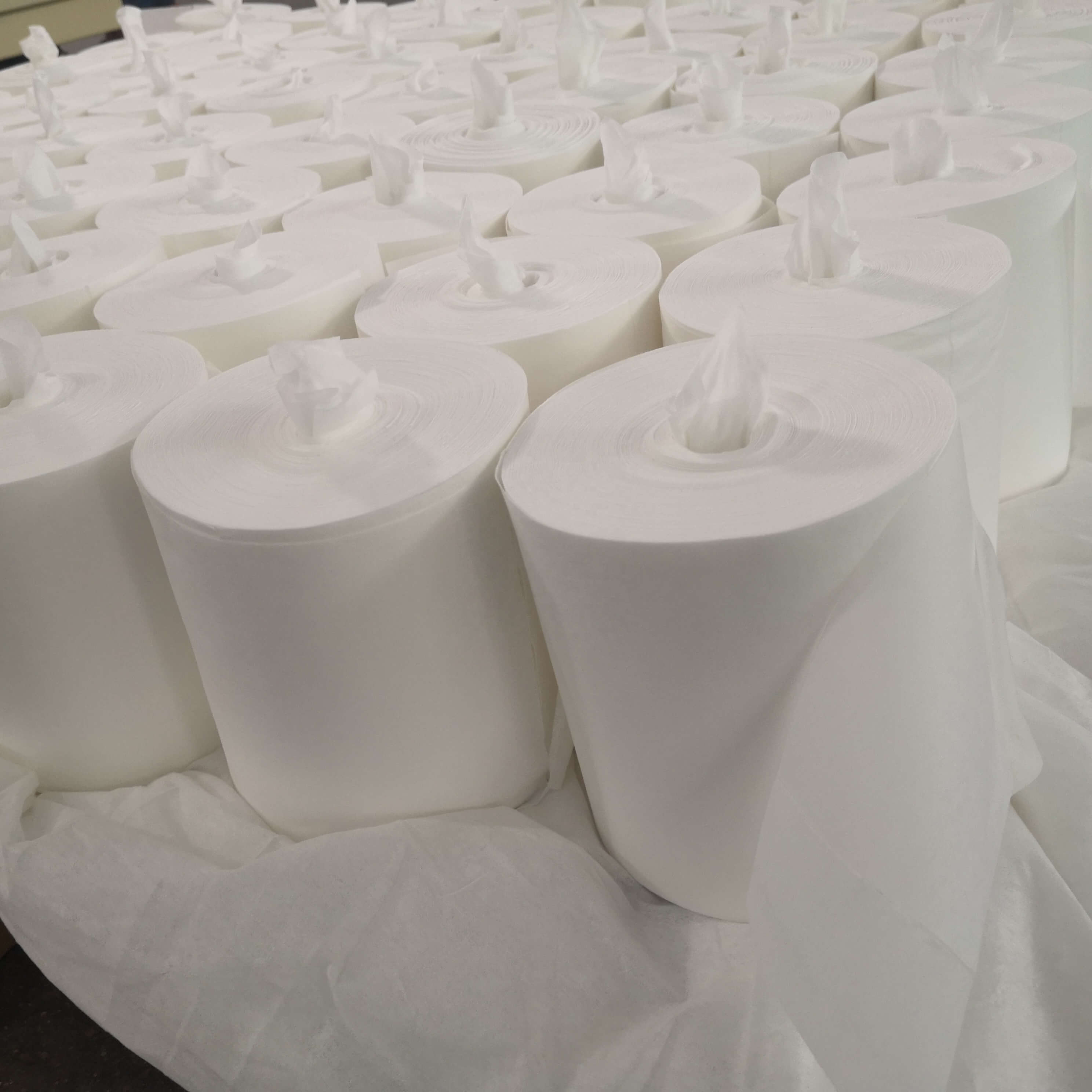
Non Woven Fabric Manufacturer | Top Suppliers & Uses Guide
Looking for a trusted non woven fabric manufacturer? Explore leading global suppliers, including Eli
24.12.2025
Read Article -
Top 10 Medical Nonwoven Fabric Exporters Trusted by Global Healthcare Brands
Discover the top medical nonwoven fabric exporters trusted worldwide. Explore quality, applications
16.12.2025
Read Article -
Cellulose Based Nonwoven Fabric | Eco Friendly Innovation
Explore the benefits of cellulose-based nonwoven fabric—biodegradable, soft, and sustainable. Idea
19.11.2025
Read Article -
Beautyworld Dubai: Discovering New Opportunities for Elixrr
Exploring innovative trends and partnerships at Beautyworld Dubai, uncovering exciting growth opport
07.11.2025
Read Article -
Green Nonwoven Technology: Sustainable Innovation in Nonwoven Fabrics
Learn how green nonwoven technology uses eco-friendly materials and energy-efficient manufacturing t
30.10.2025
Read Article -
Types of Nonwoven Fabric and Their Uses in 2025
Explore the 7 main types of nonwoven fabric—spunbond, meltblown, spunlace, and more. Learn how eac
28.10.2025
Read Article -

Biodegradable Nonwoven Fabric: The Future of Sustainable Textiles
Biodegradable nonwoven fabrics are reshaping industries with eco-friendly performance and natural de
28.10.2025
Read Article -
Best Non Woven Fabric Manufacturers in India (2025 Edition)
Discover the top 10 non woven fabric manufacturers in India. Explore eco-friendly, high-quality opti
28.10.2025
Read Article -
Top 10 Applications of Non-Woven Fabrics in 2025 — And Why the Market Is Booming
Top 10 Applications of Non-Woven Fabrics in 2025 — And Why the Market Is Booming
20.05.2025
Read Article -

Reinventing Wipes: How Sustainable Nonwovens Are Reshaping the Industry
Elixrr explores how next-generation sustainable nonwovens, from wet-laid spunlace to carded-pulp tec
21.10.2025
Read Article -
Woven Fabric Material Guide: Composition, Types & Common Applications
Explore woven fabric materials—learn their composition, major types, and everyday applications in
09.10.2025
Read Article -
Non Woven Polypropylene Fabric: Uses, Strengths & Comparison with Woven Fabric
Non woven polypropylene (PP) fabric has become one of the most widely used materials across industri
09.10.2025
Read Article -
What Is Knitted Woven Fabric? Types, Techniques & Benefits
Knitted woven fabric is a hybrid textile that blends the structural strength of woven fabrics with t
16.10.2025
Read Article -
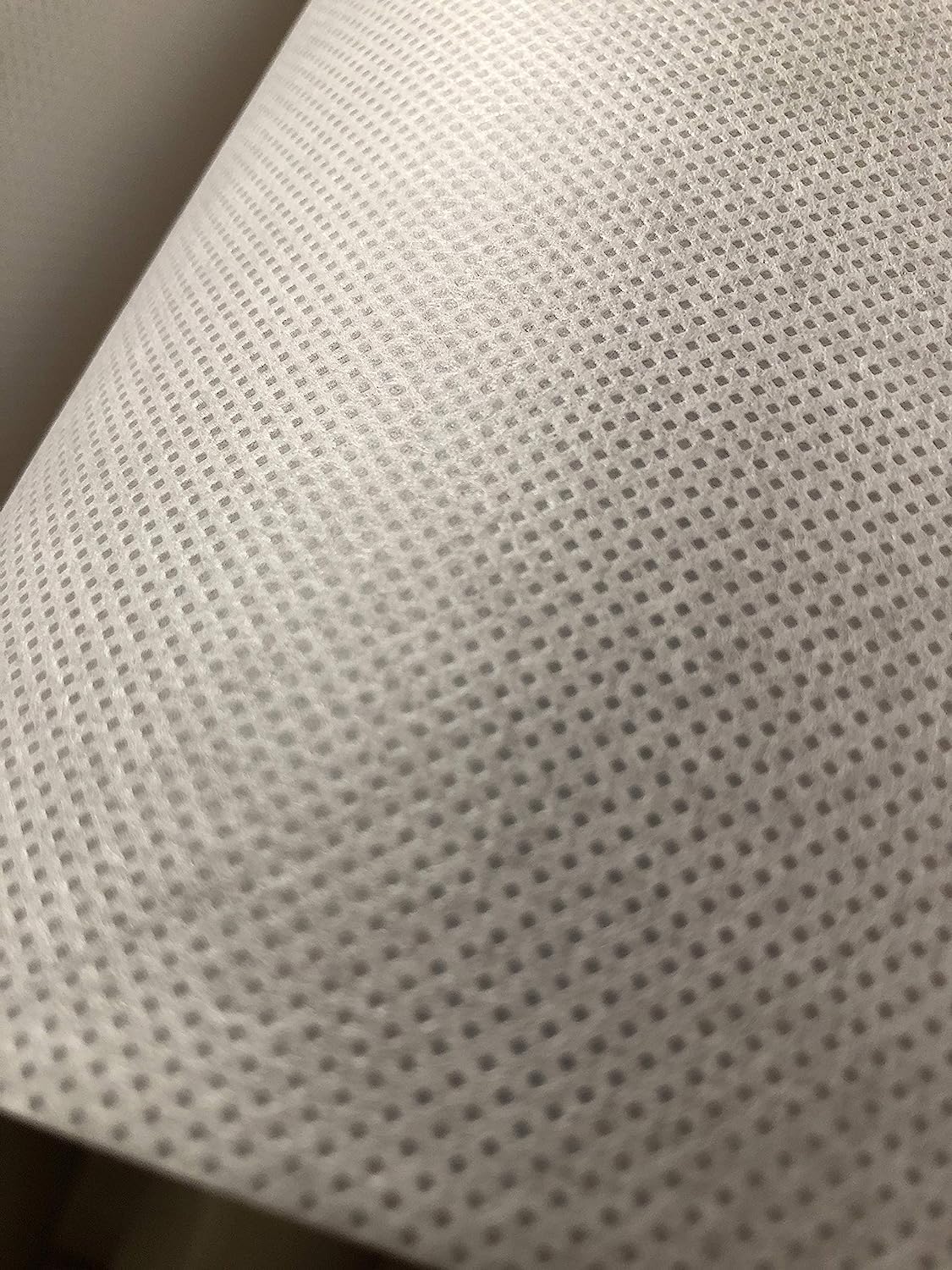
Non Woven vs Woven Fabrics: Key Differences & When to Use Each
Non Woven vs Woven Fabrics: Key Differences & When to Use Each
18.09.2025
Read Article -
Non Woven Polypropylene Fabric: Uses, Strengths & Comparison with Woven Fabric
Non Woven Polypropylene Fabric: Uses, Strengths & Comparison with Woven Fabric
19.09.2025
Read Article -
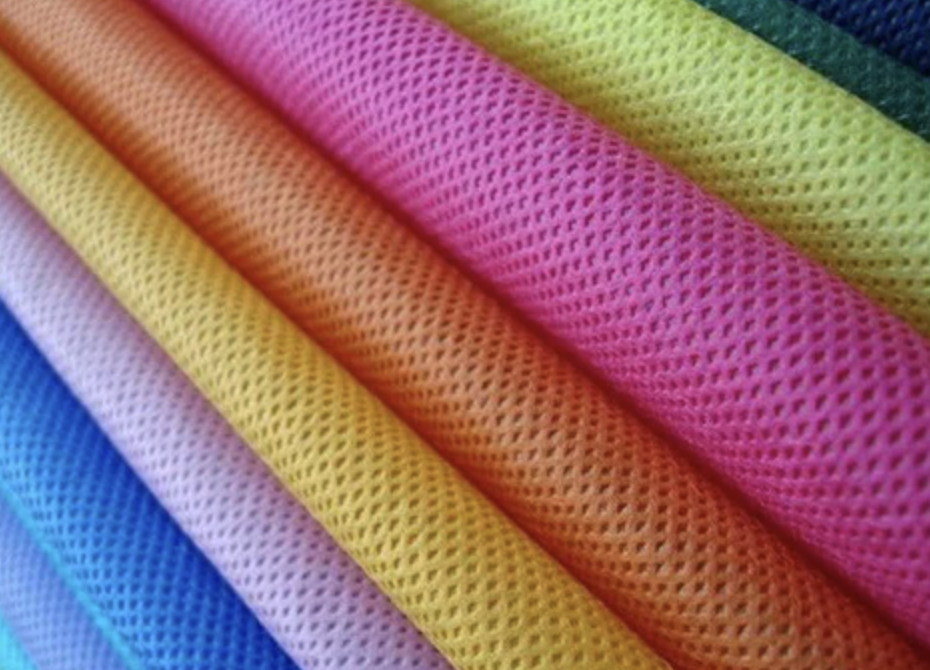
Spunbond Non Woven Fabric: How It’s Made and Where It’s Used
Explore the manufacturing process and applications of spunbond non woven fabric. Learn why it’s wi
11.09.2025
Read Article -
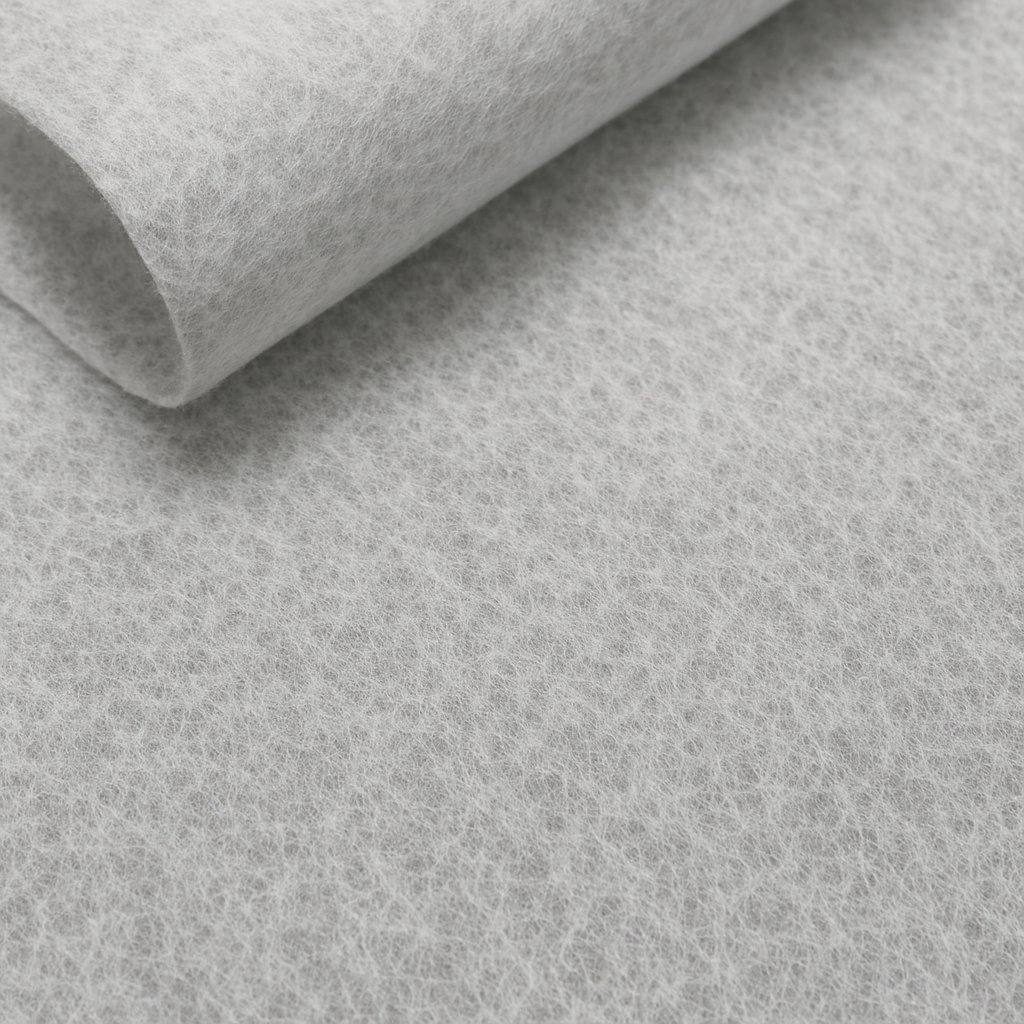
Polyester Non Woven Fabric: Benefits, Properties & Industrial Uses
Discover the benefits and industrial uses of polyester non woven fabric. Learn about its properties,
03.09.2025
Read Article -

What Is Non Woven Fabric? Definition, Manufacturing & Applications
Explore what non woven fabric is, how it’s made, and where it’s used. Learn about its unique pro
04.09.2025
Read Article -

Types of Nonwoven Fabric – A Complete Guide to Nonwoven Fabric
Learn about different types of nonwoven fabrics, their properties, manufacturing methods, and indust
20.05.2025
Read Article -
Redefining the Future of Wipes: Insights from WOW 2025
Elixrr Nonwovens shares key takeaways from WOW 2025, highlighting sustainable innovations, energy-ef
29.07.2025
Read Article -

Sustainability is Elixrr’s Focus at Global Wipes Markets at Wow 2025
Visit the WOW conference and see our proprietary nonwoven wipes fabrics Enduraspun, Ecopun and Softs
03.07.2025
Read Article -

Inside Elixrr: A Conversation with Subir Barman on the Future of Nonwovens and Next-Gen Manufacturing
As the global demand for sustainable, high-performance materials accelerates, Elixrr Nonwovens conti
20.05.2025
Read Article -
Spunlace Nonwoven Fabrics: Explore Characteristics and Benefits
In a world where hygiene, safety, and softness intersect, material science has a quiet hero, spunlac
20.05.2025
Read Article -
PentaTech™ by Elixrr Nonwovens: Pioneering the Future of High-Performance and Sustainable Nonwovens
Innovation in nonwoven materials isn’t optional anymore. It’s what drives progress. As industrie
07.05.2025
Read Article -
Is Non-Woven Fabric Biodegradable? Exploring the Eco-Friendliness of Non-Wovens
Every business is searching for environmentally appropriate substitutes as the globe moves towards s
02.05.2025
Read Article -
What Are Non Woven Fabrics Used For? Key Examples & Features
In an era defined by performance, precision, and sustainability, materials are no longer just passiv
28.04.2025
Read Article -
Is Leather a Non-Woven Fabric? Let’s Unravel the Truth!
Leather embodies luxury, durability, and style. However, in a society increasingly focused on novel
21.04.2025
Read Article -
Can You Heat Press Non-Woven Fabric? A Complete Guide
The textile industry has embraced heat pressing. Adding colourful graphics to cloth banners or perso
18.04.2025
Read Article -
Can Non-Woven Fabric Be Washed? Let’s Unravel the Truth
Non-woven fabrics are used in a variety of applications, including medical masks, reusable shopping
14.04.2025
Read Article -

Non Woven Fabrics Vs Woven Fabrics: Choose the Right Fabric
If you have ever asked yourself why some materials are all about robustness while others are cutting
11.04.2025
Read Article -

Top 10 Non-Woven Fabric Manufacturers in Europe
The non-woven fabric industry has grown significantly in Europe, driven by the demand for high-quali
27.06.2025
Read Article -

Non-Woven Fabric: Moisture Absorption, Properties & Uses
When it comes to fabric selection, understanding the properties of different materials is essential,
04.04.2025
Read Article -

Types of Fabric: A Beginner Comprehensive Fabric Guide | 2025
Fabrics are the foundation of countless industries and everyday life, influencing everything from th
31.03.2025
Read Article -

What are Non-Woven fabrics?
India has always had a rich relationship with textiles. From the fine muslin that adorned royalty to
28.03.2025
Read Article
-
Explore Recent Blogs
Lint Free Wipes: What Makes Them Different?
In precision cleaning, the wipe you choose can be as critical as the process itself. Lint free wipes
Read More
Surface Cleaning Wipes: Material Guide and Applications
Surface cleaning wipes are a hygiene essential across household, healthcare, dental, and industrial
Read More
INDEX 2026 Geneva: Everything You Need to Know About the World's Biggest Nonwovens Trade Show
INDEX 2026 is the world's largest nonwovens trade show, held every three years at Palexpo Geneva. Th
Read More
Industrial Wipes: Types and Key Benefits
Every factory floor, workshop, and cleanroom runs on something smaller than it looks: the right wipe
Read More

Weave Your Success with Our Revolutionary Fabrics
Power your business with Elixrr's cutting-edge nonwoven fabric solutions. Eco-friendly, customizable, and engineered for excellence—because innovation starts with the right foundation.

Key Takeaways
What Are Medical Wipes?
Medical wipes are disposable cleaning products specifically designed to meet strict hygiene standards in healthcare environments. These specialised wipes contain antimicrobial or disinfectant solutions that eliminate bacteria, viruses, and fungi from surfaces and, in some cases, skin.
Medical-grade wipes differ significantly from standard household cleaning wipes due to their rigorous testing and regulatory approval. These products must meet specific standards set by health authorities to ensure they effectively kill harmful microorganisms without compromising patient safety.
Key Features of Medical Wipes
Medical wipes contain active ingredients, such as disinfectants, chosen for their antimicrobial properties. The physical composition of medical wipes matters as much as their chemical makeup. Manufacturers use durable, non-linting materials, such as specialised nonwovens, that won't leave fibres on sensitive equipment or surfaces.
Important characteristics include:
The Importance of Wipes in Healthcare
Wipes serve as essential tools in healthcare facilities to prevent disease transmission, protect patients from harm, and maintain required cleanliness standards. These disposable products address multiple hygiene needs across different medical settings.
Role in Infection Control
Medical wipes break the chain of infection by removing pathogens from surfaces, equipment, and skin.
Key infection control applications include:
Enhancing Patient Safety
Proper wipe usage directly reduces your patients' risk of healthcare-associated infections. Wipes are most practical for quick, immediate sanitisation tasks that do not require water sources or complex procedures. Wipes also minimise cross-contamination risks compared to reusable cleaning cloths. Regular use of medical-grade wipes helps you maintain the strict hygiene standards required in healthcare settings.
Supporting Hygiene Protocols
Healthcare facilities depend on wipes to meet regulatory compliance and infection prevention guidelines. You'll use sterile wipes for invasive procedures, alcohol wipes for surface disinfection, and specialised formulations for sensitive equipment.
Types of Wipes Used in Healthcare
Hospital Wipes:
Hospital wipes are specially formulated cleaning products designed to kill bacteria, viruses, and other pathogens on surfaces and equipment in medical settings. These wipes contain antimicrobial agents that meet strict health and safety standards for use in hospitals, clinics, and nursing homes.
Sterile vs Non-Sterile Wipes:
Sterile wipes undergo a special sterilisation process to eliminate all microorganisms, including bacterial spores. You'll use these wipes for wound care, surgical preparation, and any procedure that requires direct contact with sterile body areas. They come in sealed individual packets to maintain their sterile status until use.
Non-sterile wipes don't undergo the same rigorous sterilisation process. These wipes are suitable for general cleaning tasks, surface disinfection, and patient bathing.
Single Use vs Reusable Wipes:
Single-use wipes are disposed of after one application. You use them once and throw them away to prevent cross-contamination between patients or surfaces.
Reusable wipes are made from durable materials that can be laundered and used multiple times. However, you'll rarely find reusable wipes in modern healthcare facilities due to infection control concerns.
Biodegradable Medical Wipes:
Biodegradable medical wipes are made from natural fibres, pulp-blended or plant-based materials that break down over time. These wipes address growing environmental concerns whilst still providing effective cleaning and disinfection.
Non woven Materials Used in Medical Wipes
Medical wipes rely on specific non woven materials that deliver the right balance of strength, absorbency, and safety.
Spunlace Nonwoven Materials
You'll find spunlace materials in most premium medical wipes because they offer superior absorbency. The fabric can hold multiple times its weight in liquid, which makes it effective for cleaning and disinfection tasks.
PP Non woven Fabric
Polypropylene nonwoven fabric is made by bonding synthetic fibres through heat and pressure. This manufacturing method produces a lightweight yet durable material that resists moisture and chemicals. PP nonwoven is a cost-effective material. You'll see it used in disposable medical drapes, gowns, and basic cleaning wipes where budget considerations matter.
Properties That Make Nonwoven Ideal for Medical Settings
Nonwoven materials meet strict medical standards that woven fabrics cannot match.
Key medical-grade properties include:
Healthcare Wipes: Regulatory Standards
Healthcare wipes must meet strict regulatory requirements to ensure they safely eliminate pathogens in medical settings.
Compliance with Health Regulations
Healthcare facilities in most countries must follow specific cleaning and disinfection protocols set by health authorities.
Your facility must use only approved products that display proper registration numbers on their labels.
Certifications and Quality Marks
Medical-grade wipes carry specific certifications that verify their effectiveness and safety. The EN 14476 standard indicates viral efficacy, whilst EN 13727 confirms bacterial action. These European standards are recognised globally as benchmarks for disinfectant performance.
You should look for products bearing ISO 13485 certification, which confirms that the manufacturer follows quality management systems for medical devices. The FDA may classify certain wipes as medical devices, requiring additional clearances before sale.
Safety and Efficacy Testing
Manufacturers must conduct extensive laboratory testing to prove their wipes eliminate specific pathogens within stated contact times.
Key Applications of Medical Wipes in Healthcare
Medical wipes serve critical functions across healthcare settings, from maintaining patient cleanliness to preventing infection transmission.
Patient Hygiene:
Medical wipes designed for patient care help maintain cleanliness when bathing isn't possible. You'll find these wipes particularly useful for bedridden patients, those with limited mobility, or individuals in intensive care units. The wipes typically contain gentle cleansing agents that remove dirt, sweat, and bacteria without the need for water or rinsing.
Surface Disinfection:
High-touch surfaces in healthcare facilities act as reservoirs for harmful microorganisms. Disinfecting wipes provide a quick, effective method to clean bed rails, tray tables, door handles, and other frequently touched areas. Research shows that placing single-use wipes at patients' bedsides in multi-patient rooms can reduce hospital-acquired infections.
Surgical Use:
Surgical wipes play a vital role in preparing patients and maintaining sterile fields during procedures.
Antiseptic wipes contain chlorhexidine or povidone-iodine and are used to remove microorganisms from the skin before surgical incisions. They must be applied using proper techniques to ensure complete and even coverage of the site.
Sterile saline wipes are made with sterile saline solution and are used to clean wounds and remove debris during procedures. They are individually packaged to maintain sterility until use.
Alcohol swabs contain isopropyl alcohol and are used for quick disinfection of injection sites and IV line insertions. They are fast-acting and widely used for routine skin preparation.
Equipment Cleaning:
Medical equipment requires regular disinfection to prevent pathogen transmission between patients. Disinfecting wipes offer a convenient solution for cleaning stethoscopes, blood pressure cuffs, thermometers, and other portable devices. Electronic equipment like keyboards, tablets, and monitors need specialised wipes that won't damage sensitive components.
Benefits of Using Nonwoven Medical Wipes
Nonwoven medical wipes offer distinct advantages over traditional cotton alternatives in healthcare settings. These specially engineered materials provide superior performance in absorbency, cleanliness, and practical cost management.
High absorbency:
Nonwoven medical wipes absorb fluids far more effectively than standard cotton wipes.
Lint-free and hygienic:
Nonwoven medical wipes don't shed fibres during use. Traditional cotton wipes leave behind small threads that can contaminate wounds or surgical sites, but nonwoven materials retain their structure during cleaning.
Cost-effective and disposable:
Nonwoven medical wipes cost less than reusable alternatives when you factor in laundering expenses. It eliminates the need for washing, sterilising, and storage infrastructure. Single-use design prevents cross-contamination between patients.
How to Choose the Right Medical Wipes
Selecting medical wipes requires matching the product to your specific needs, ensuring proper certifications, and checking material composition for safe and effective use.
Based on Application:
Different medical situations call for different types of wipes.
Safety and Compliance:
Medical wipes must meet regulatory standards for healthcare use.
Material Quality:
The physical composition of medical wipes affects their performance and safety.
Future Trends in Healthcare Wipes
Healthcare facilities are seeing major shifts in wipe technology, driven by environmental concerns and the need for better infection control. Manufacturers are developing biodegradable options whilst improving antimicrobial performance and fabric construction.
Eco-friendly medical wipes:
Traditional medical wipes often contain synthetic fibres that take years to decompose in landfills, creating significant waste challenges for hospitals and clinics.
Biodegradable wipes made from plant-based materials are now entering the market. These products use natural fibres like bamboo, cotton, and wood pulp that break down more quickly after disposal.
Advanced disinfected wipes:
New disinfectant formulations are improving how wipes kill pathogens on surfaces and skin. Alcohol-based wipes remain popular, but manufacturers are developing alternatives that work faster and against a wider range of microbes.
Innovations in nonwoven materials:
Nonwoven fabrics form the foundation of most medical wipes, and new manufacturing techniques are improving their performance. Some innovations include:
Conclusions
Medical wipes remain a practical solution for maintaining hygiene standards when used correctly. Your choice impacts both patient safety and environmental sustainability. Regular review of your wipe selection and usage practices ensures you maintain optimal infection control whilst managing costs and waste effectively.
Frequently Asked Questions
1. What are medical wipes used for?
Medical wipes are used for cleaning, disinfecting surfaces, maintaining patient hygiene, and sterilizing medical equipment.
2. What are hospital wipes made of?
Hospital wipes are typically made from nonwoven materials like spunlace or polypropylene for durability and hygiene.
3. What is the difference between disinfected wipes and regular wipes?
Disinfected wipes contain antimicrobial agents to kill bacteria and viruses, while regular wipes are used for basic cleaning.
4. Are medical wipes safe for skin?
Yes, many medical wipes are designed to be skin-safe, especially those used for patient hygiene, but it depends on the formulation.
5. Why are nonwoven materials used in medical wipes?
Nonwoven materials are preferred because they are absorbent, lint-free, cost-effective, and suitable for disposable use.
6. What are the different types of healthcare wipes?
Healthcare wipes include disinfected wipes, hospital wipes, surgical wipes, and patient care wipes