


Contact us
What Is Non woven Fabric? Types, Uses, and Key Benefits Explained
What is non woven fabric? This question is becoming increasingly relevant as industries move toward faster, more efficient, and application-driven materials. Unlike traditional woven fabric, which is created by interlacing yarns, non woven fabric is engineered by bonding fibers directly
-
Recent Post
-
Biodegradable Nonwoven Fabric: Materials, Benefits & Sustainability Impact
Sustainability has moved on from being a preference to a specification in nonwoven manufacturing. Bi
08.06.2026
Read Article -
Lint Free Wipes: What Makes Them Different?
In precision cleaning, the wipe you choose can be as critical as the process itself. Lint free wipes
31.05.2026
Read Article -
Surface Cleaning Wipes: Material Guide and Applications
Surface cleaning wipes are a hygiene essential across household, healthcare, dental, and industrial
15.05.2026
Read Article -
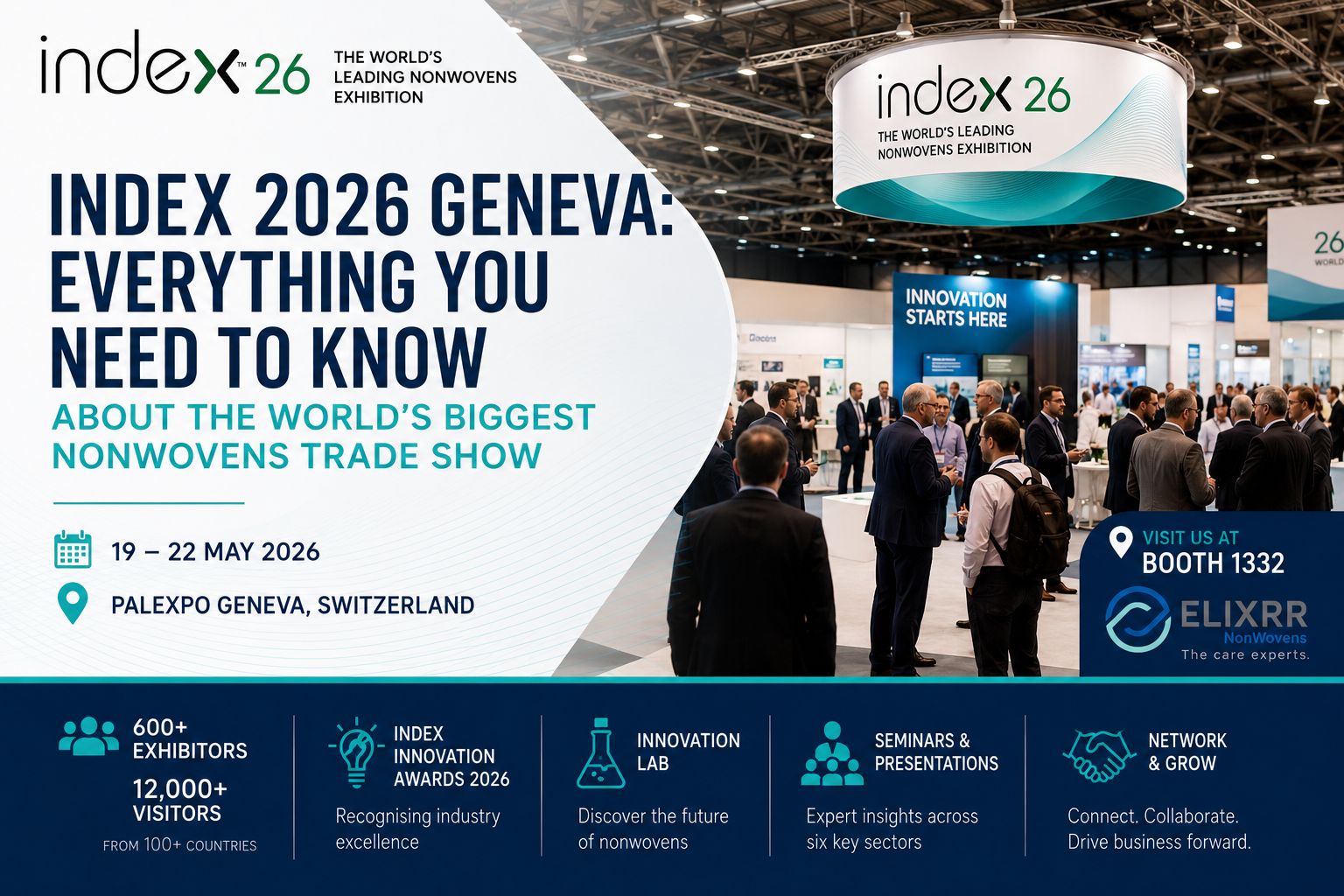
INDEX 2026 Geneva: Everything You Need to Know About the World's Biggest Nonwovens Trade Show
INDEX 2026 is the world's largest nonwovens trade show, held every three years at Palexpo Geneva. Th
05.05.2026
Read Article -
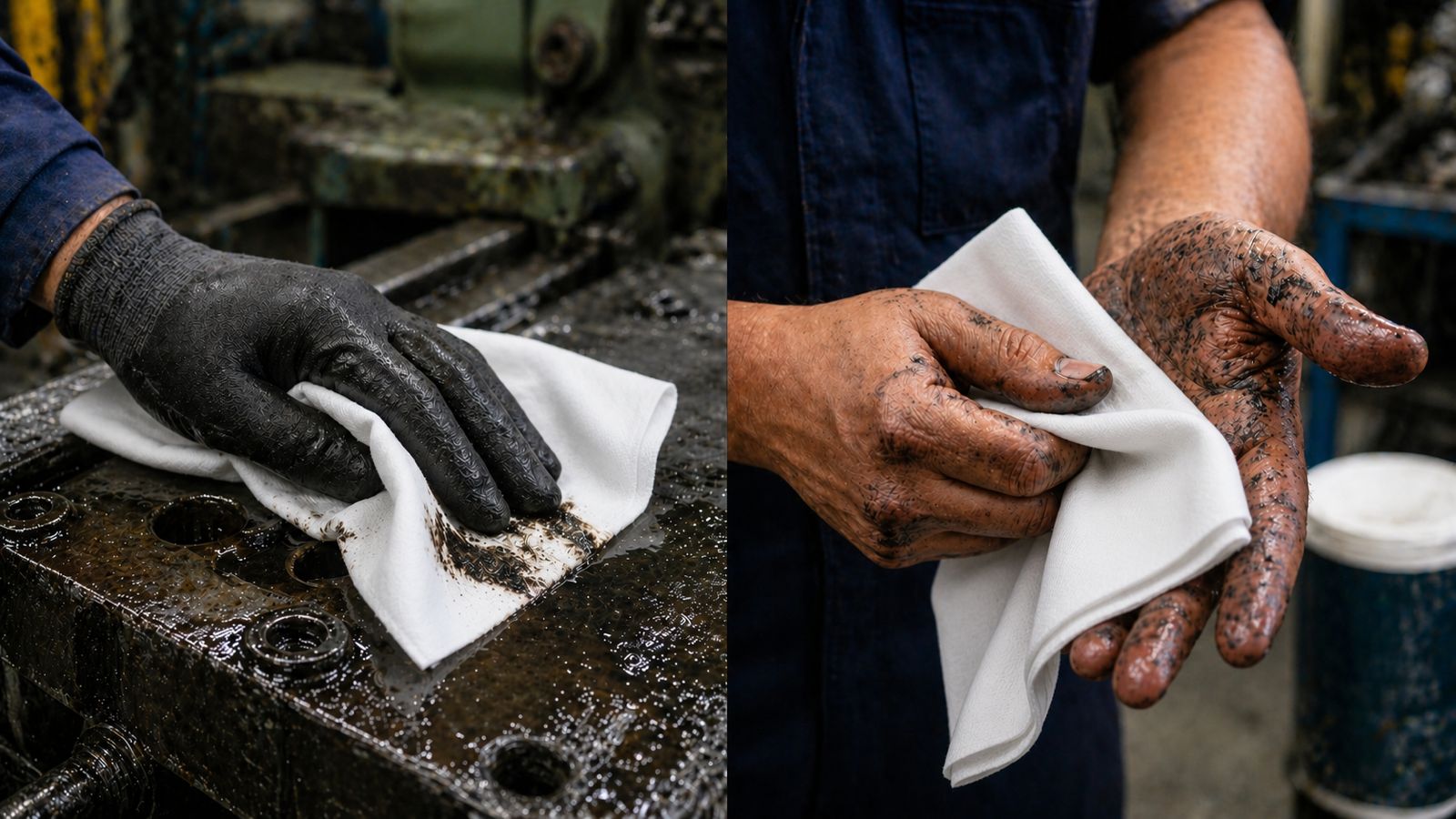
Industrial Wipes: Types and Key Benefits
Every factory floor, workshop, and cleanroom runs on something smaller than it looks: the right wipe
01.05.2026
Read Article -
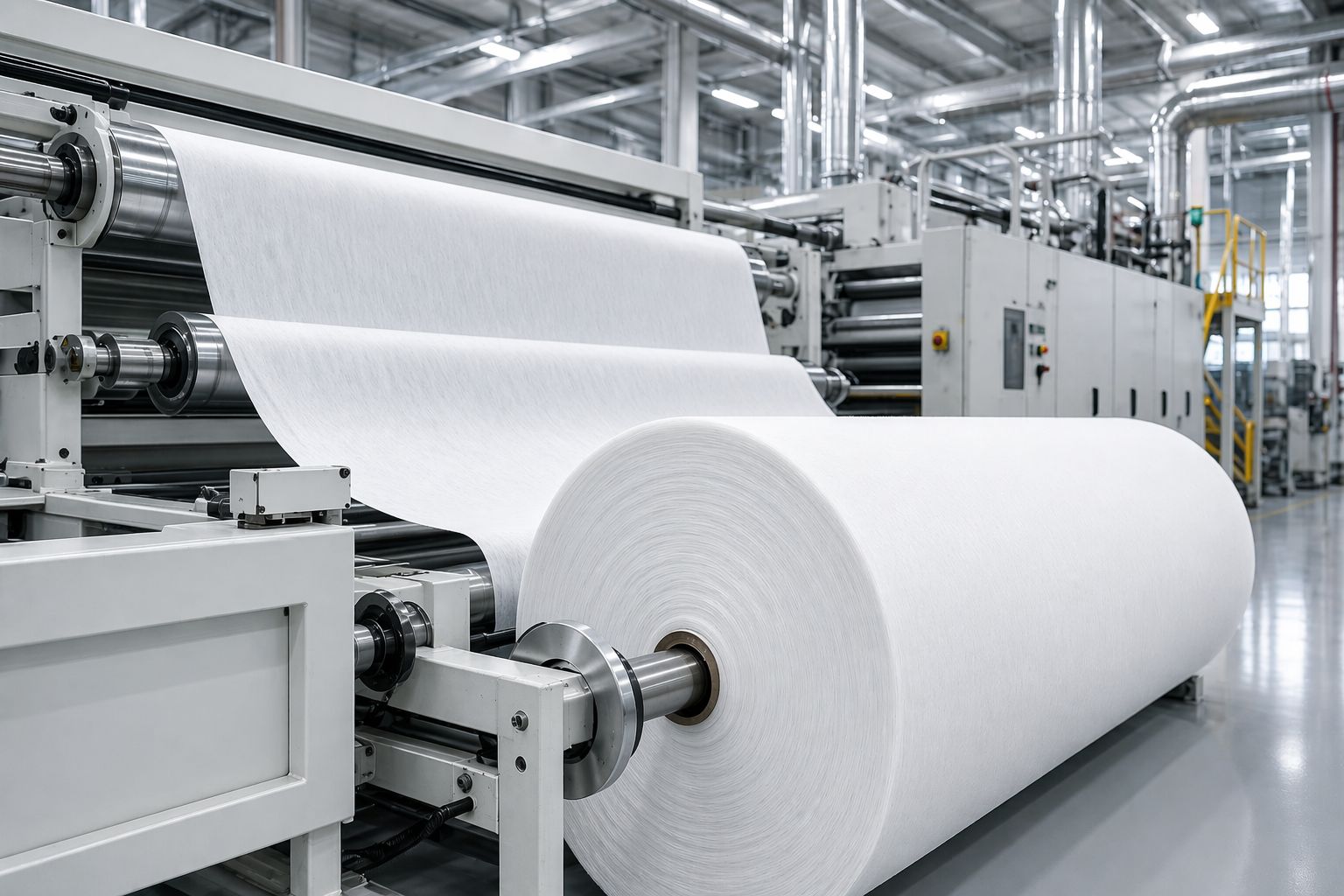
Non Woven Fabric Manufacturing Process: A Complete Guide to Methods, Materials, and Quality Control
Non woven fabric manufacturing begins with a simple decision: which fiber, which formation method, a
24.04.2026
Read Article -
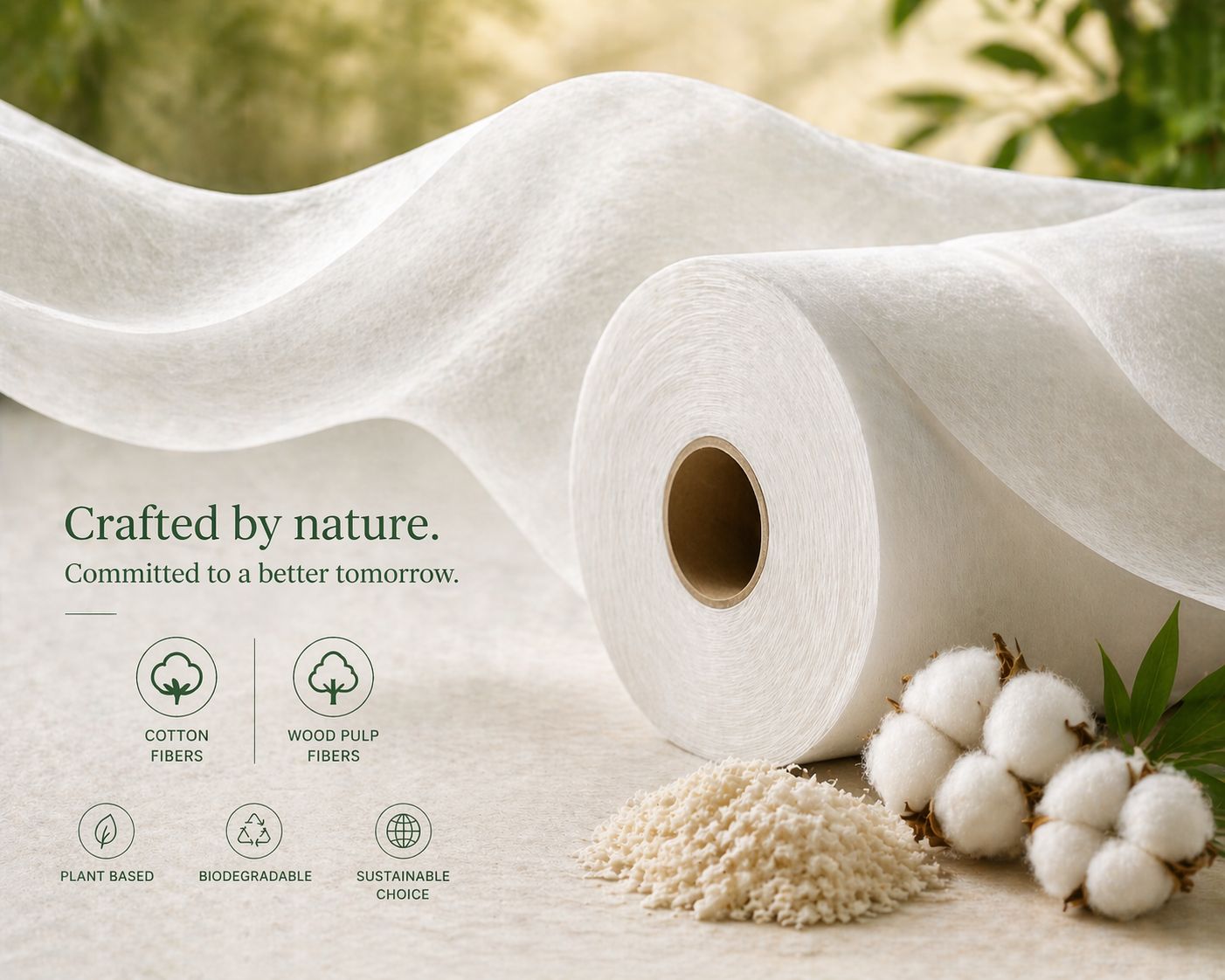
Spunlace Non Woven Fabric: Applications, Properties, and Performance Guide
There is a good chance you touched spunlace non woven fabric in a facial wipe, a baby care pad, or a
27.04.2026
Read Article -
Built for the Planet: How Nonwovens Are Leading the Sustainable Manufacturing Revolution
On World Earth Day 2026, Elixrr explores how pulp-based spunlace nonwovens drive real environmental
25.04.2026
Read Article -
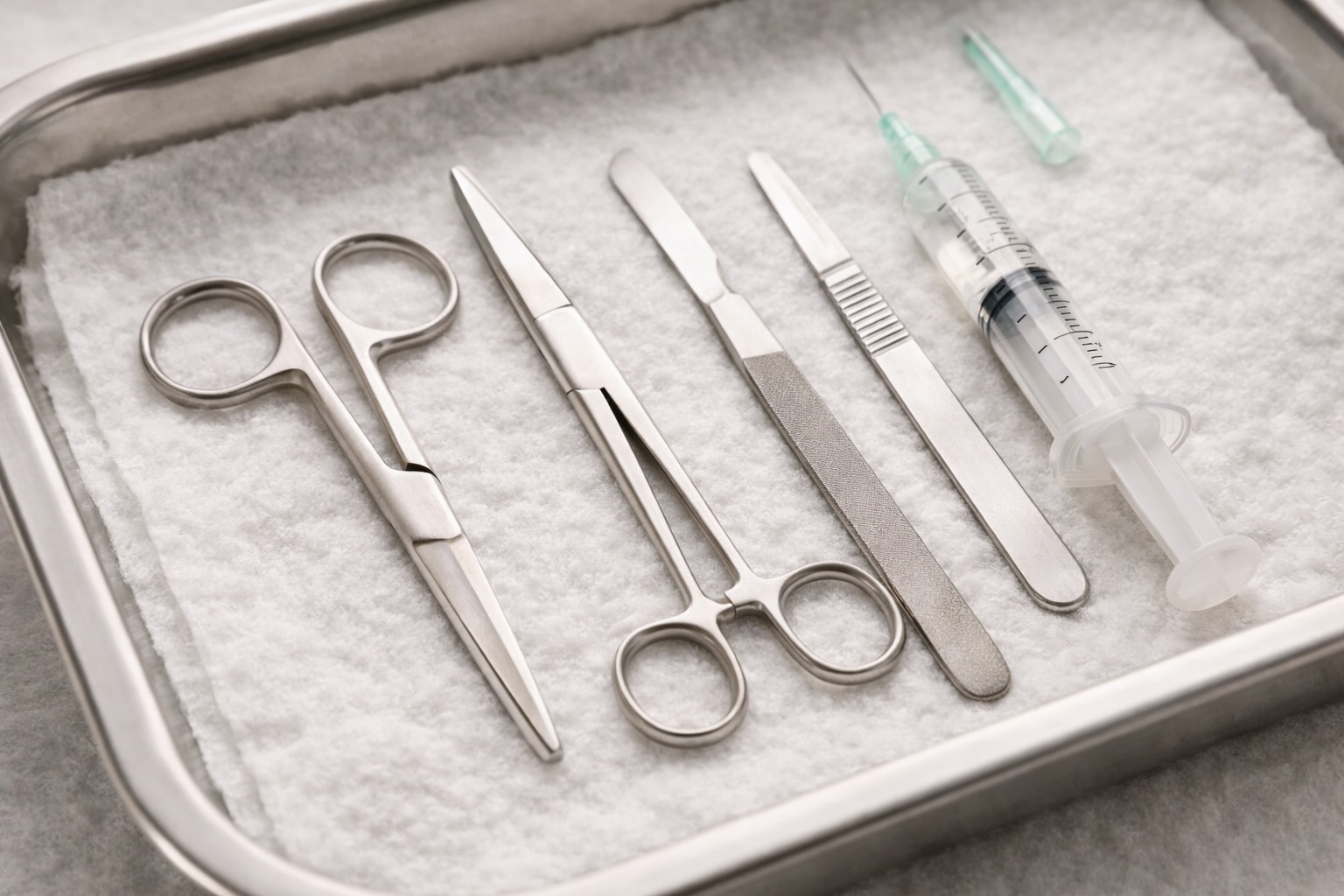
Medical Wipes: Types, Uses & Nonwoven Materials Guide
Medical wipes are specially designed cleaning products that remove germs, bacteria, and contaminants
10.04.2026
Read Article -
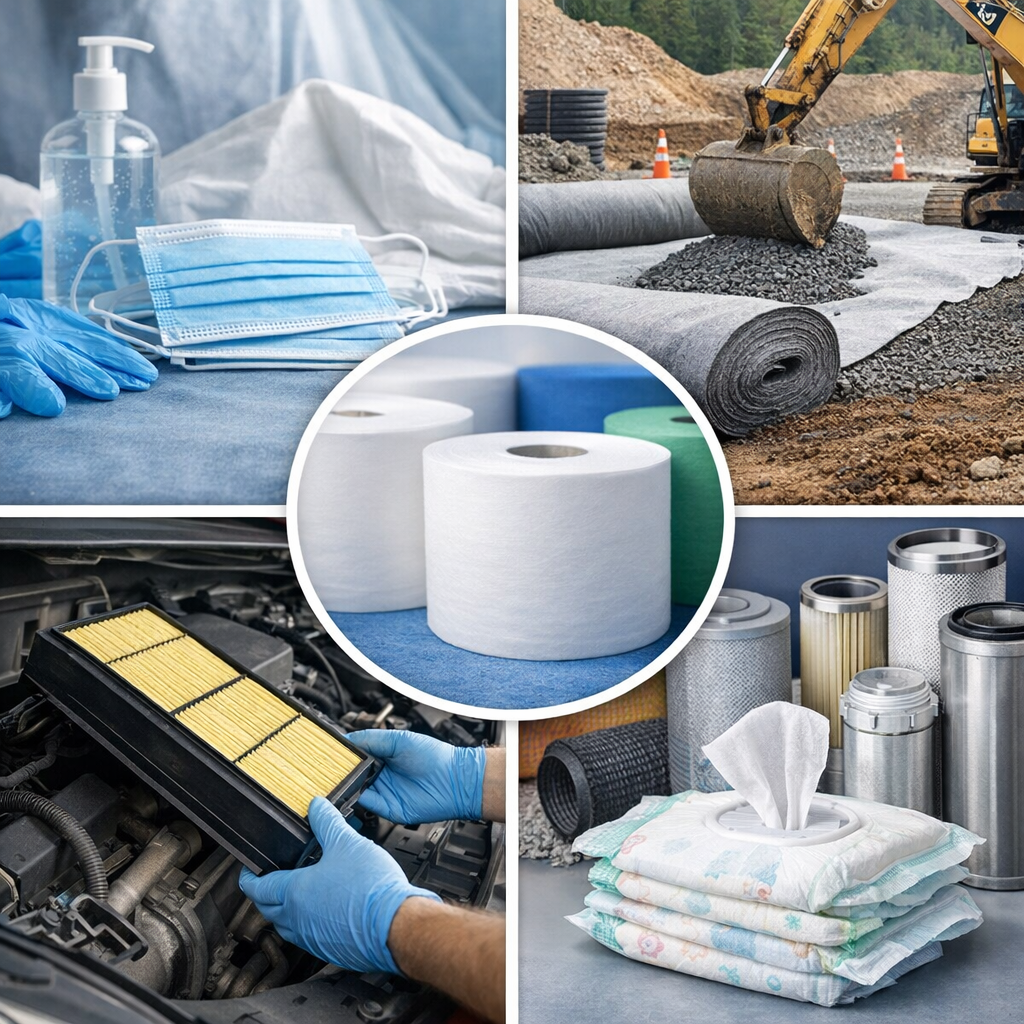
Non Woven Fabric Textile Applications Across Industries: Comprehensive Use Cases
Nonwoven fabrics are widely used across industries for their versatility, cost-effectiveness, and ta
25.03.2026
Read Article -
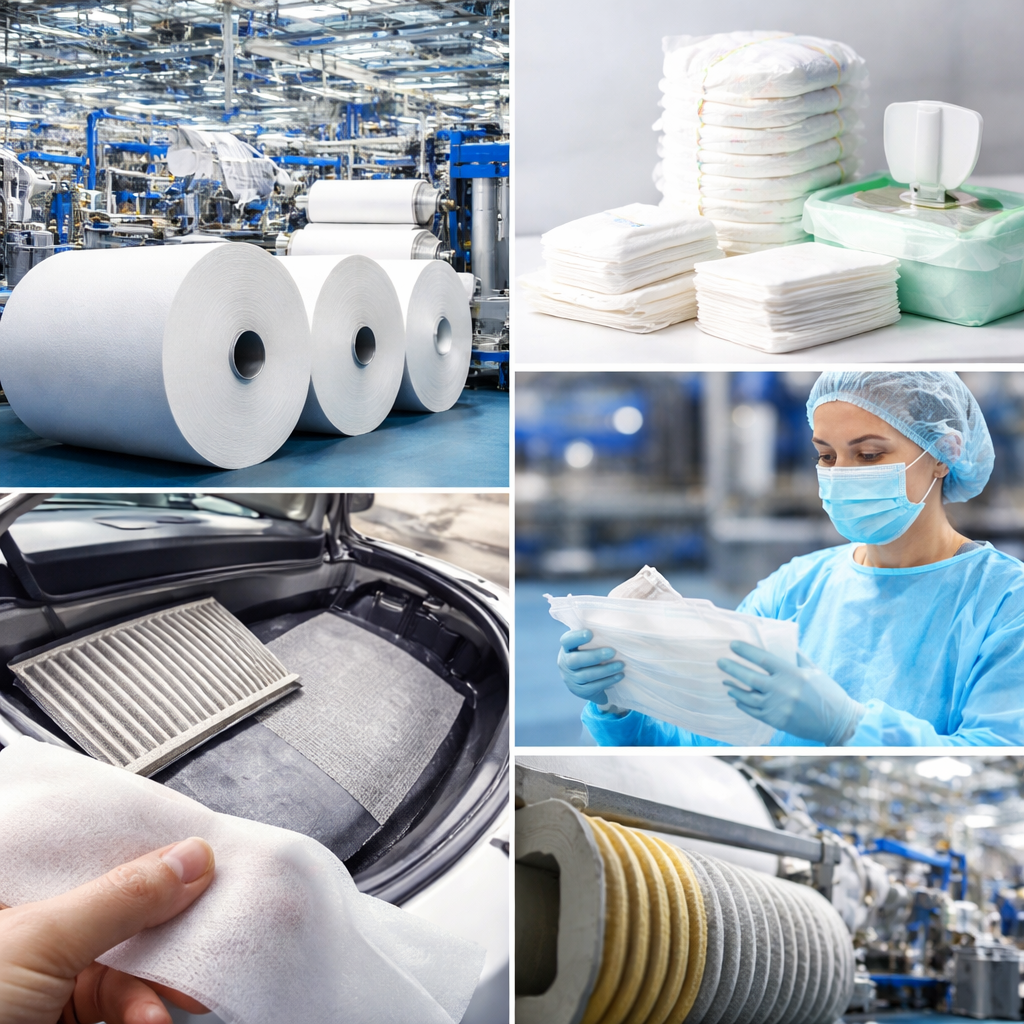
Global Nonwoven Market Trends and Growth Opportunities: 2026 Outlook
The global nonwoven market is expanding rapidly due to strong demand from hygiene, medical, filtrati
18.03.2026
Read Article -
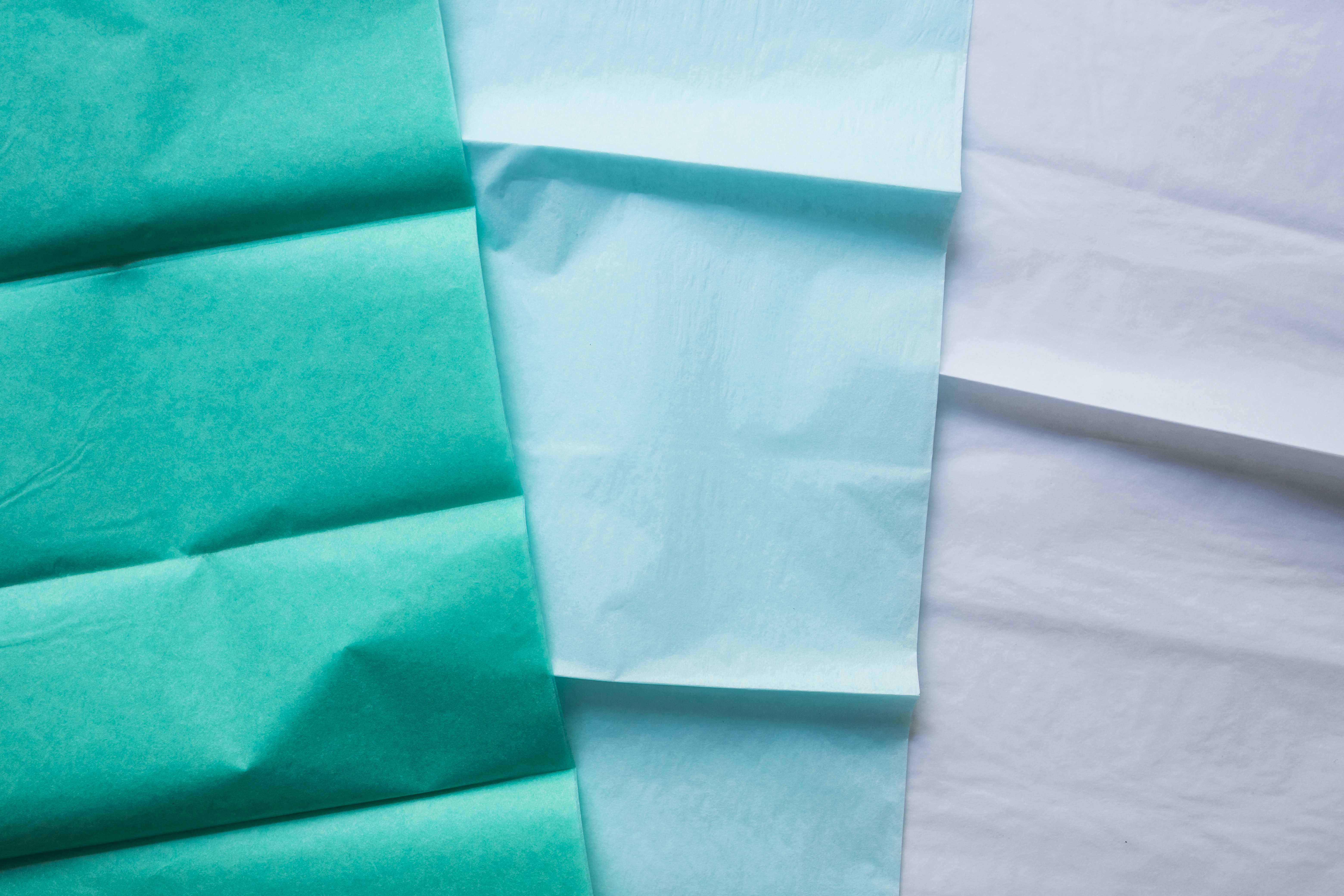
Difference Between Woven and Non-Woven Fabrics: Key Structural, Performance, and Application Differences
Woven and non-woven fabrics differ in how they are made, how they perform, and where they are used.
05.03.2026
Read Article -
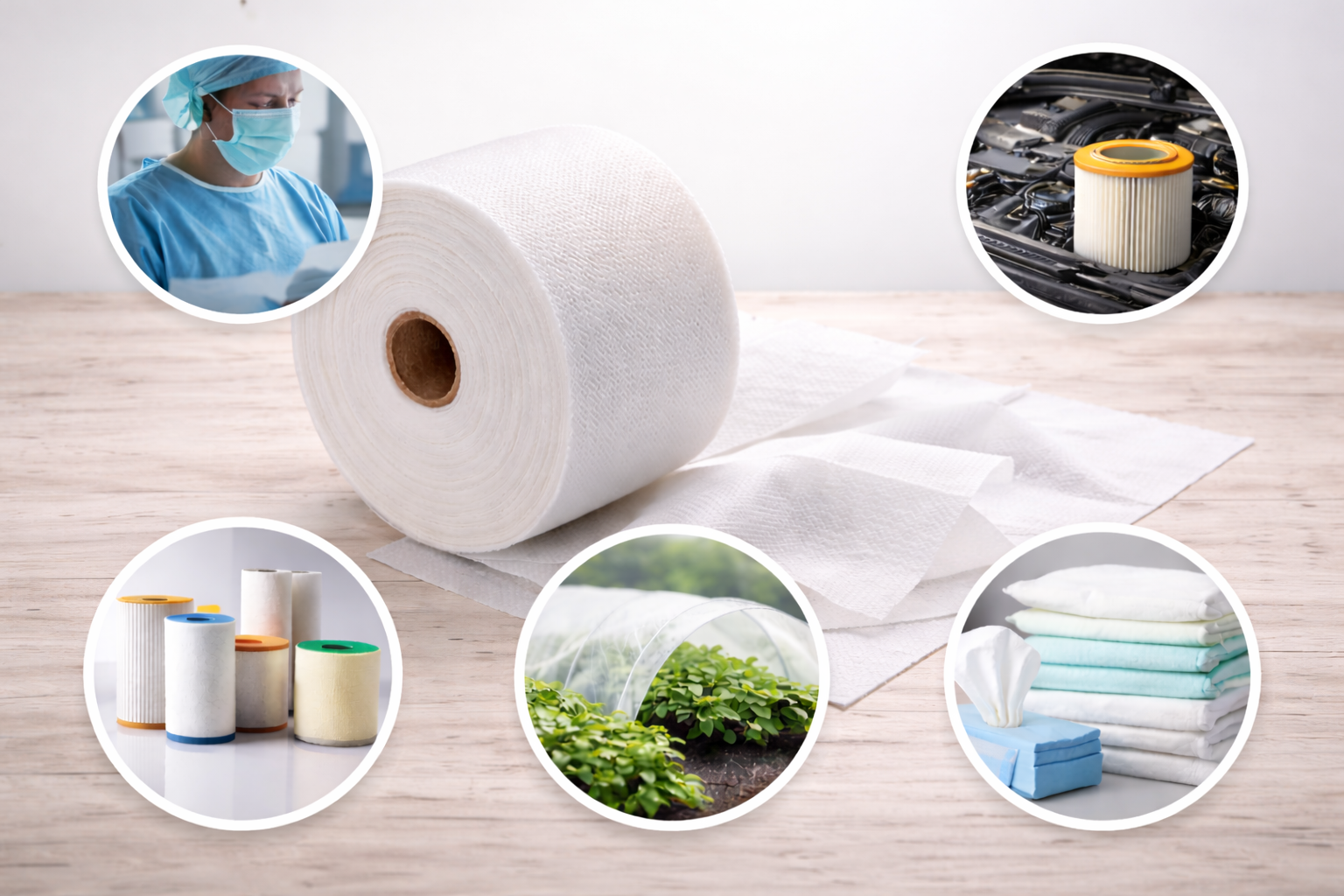
What Are the Uses of Nonwoven Fabric? Practical Applications and Industry Examples
Nonwoven fabrics are versatile materials used across healthcare, hygiene, filtration, automotive, ag
20.02.2026
Read Article -
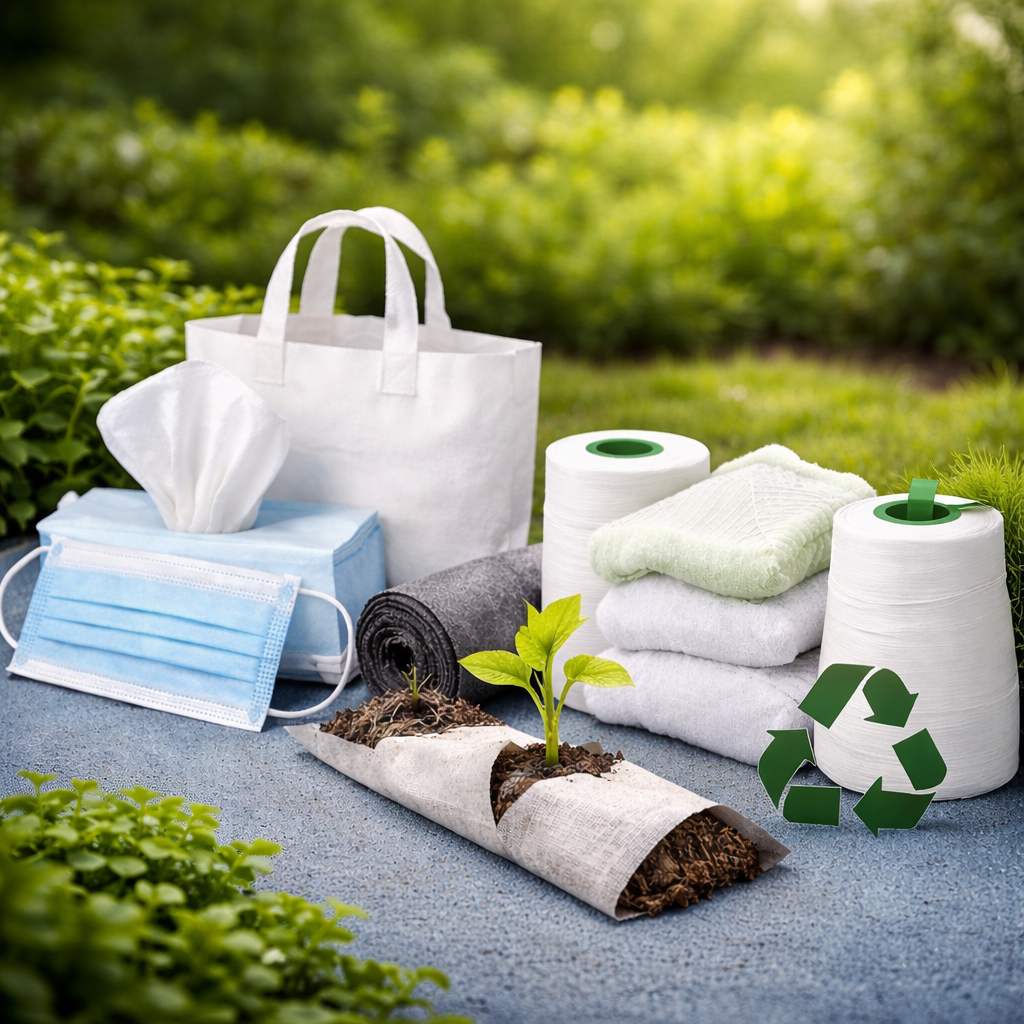
Types of Non-Woven and Their Uses: Applications, Manufacturing Methods, and Industry Examples
Nonwoven fabrics are engineered materials made by bonding fibres rather than weaving them together.
06.02.2026
Read Article -
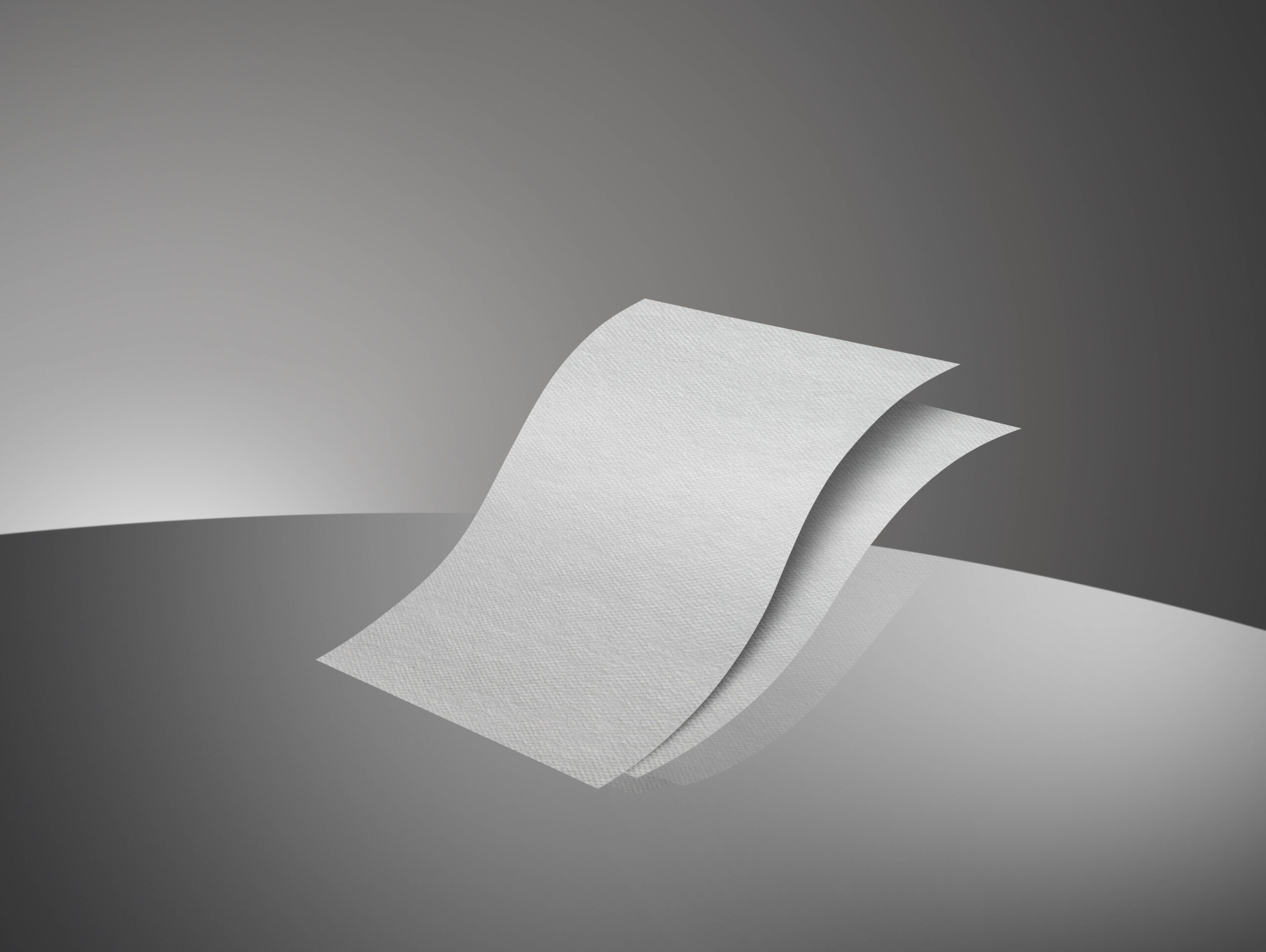
What Are Biodegradable Materials and Why Do They Matter?
What biodegradable materials are, how they work, real-world examples, and why they are becoming non-
09.01.2026
Read Article -
What is Recyclable Nonwoven Fabric and Why is it Important?
That’s where recyclable nonwoven fabric comes in. It addresses a real problem. High-volume disposa
14.01.2026
Read Article -
Uses of Non Woven Fabric: 15 Practical Applications
Explore the top uses of non woven fabric across medical, hygiene, filtration, automotive, agricultur
11.12.2025
Read Article -
Why Use Nonwovens in Medical and Healthcare?
Nonwovens are used in medical and healthcare because they solve the real constraints of modern care:
15.12.2025
Read Article -
Dry Wipes Non Woven Fabric. Uses, Types and Benefits
Learn what dry wipes non woven fabric is, its types, materials, manufacturing process, applications,
25.12.2025
Read Article -
Non Woven Fabric Manufacturer | Top Suppliers & Uses Guide
Looking for a trusted non woven fabric manufacturer? Explore leading global suppliers, including Eli
24.12.2025
Read Article -
Top 10 Medical Nonwoven Fabric Exporters Trusted by Global Healthcare Brands
Discover the top medical nonwoven fabric exporters trusted worldwide. Explore quality, applications
16.12.2025
Read Article -
Cellulose Based Nonwoven Fabric | Eco Friendly Innovation
Explore the benefits of cellulose-based nonwoven fabric—biodegradable, soft, and sustainable. Idea
19.11.2025
Read Article -
Beautyworld Dubai: Discovering New Opportunities for Elixrr
Exploring innovative trends and partnerships at Beautyworld Dubai, uncovering exciting growth opport
07.11.2025
Read Article -
Green Nonwoven Technology: Sustainable Innovation in Nonwoven Fabrics
Learn how green nonwoven technology uses eco-friendly materials and energy-efficient manufacturing t
30.10.2025
Read Article -
Types of Nonwoven Fabric and Their Uses in 2025
Explore the 7 main types of nonwoven fabric—spunbond, meltblown, spunlace, and more. Learn how eac
28.10.2025
Read Article -

Biodegradable Nonwoven Fabric: The Future of Sustainable Textiles
Biodegradable nonwoven fabrics are reshaping industries with eco-friendly performance and natural de
28.10.2025
Read Article -
Best Non Woven Fabric Manufacturers in India (2025 Edition)
Discover the top 10 non woven fabric manufacturers in India. Explore eco-friendly, high-quality opti
28.10.2025
Read Article -
Top 10 Applications of Non-Woven Fabrics in 2025 — And Why the Market Is Booming
Top 10 Applications of Non-Woven Fabrics in 2025 — And Why the Market Is Booming
20.05.2025
Read Article -

Reinventing Wipes: How Sustainable Nonwovens Are Reshaping the Industry
Elixrr explores how next-generation sustainable nonwovens, from wet-laid spunlace to carded-pulp tec
21.10.2025
Read Article -
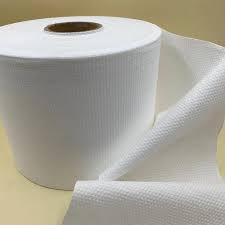
Woven Fabric Material Guide: Composition, Types & Common Applications
Explore woven fabric materials—learn their composition, major types, and everyday applications in
09.10.2025
Read Article -
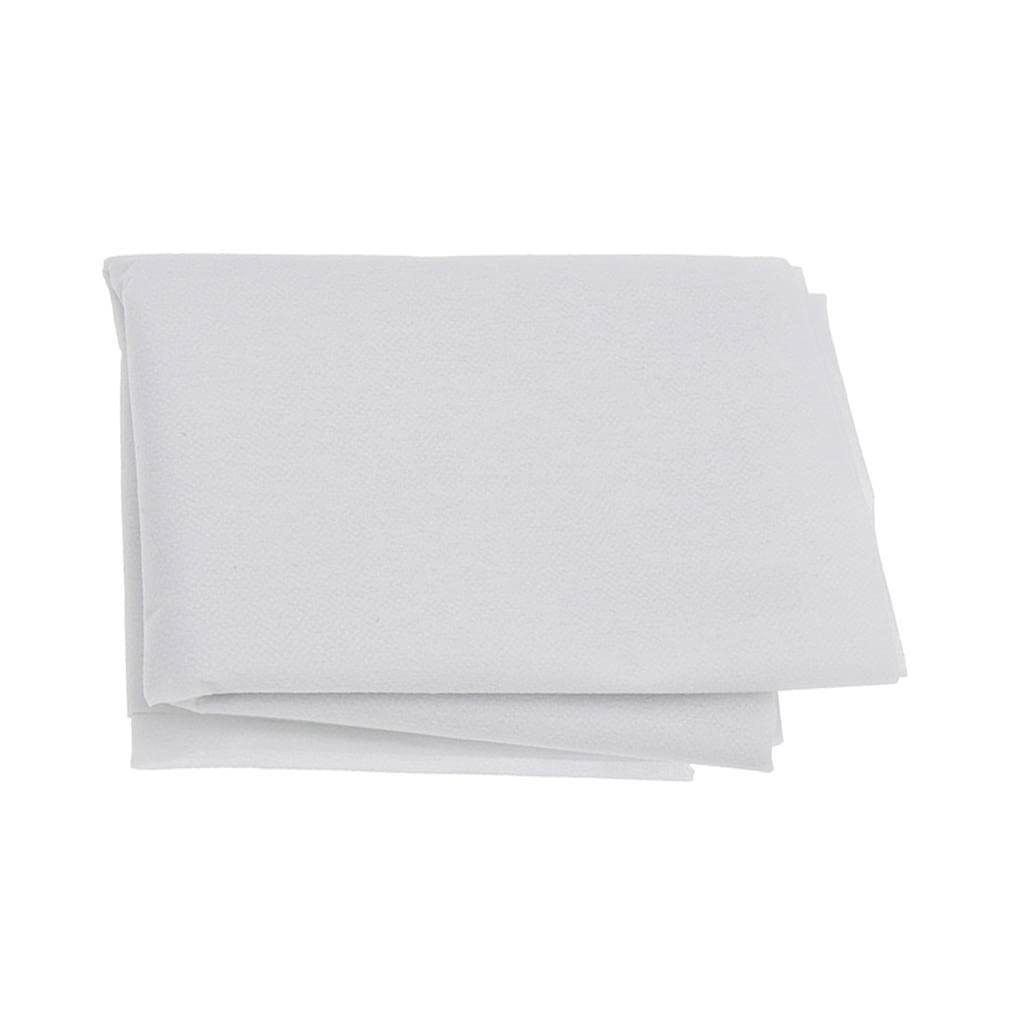
Non Woven Polypropylene Fabric: Uses, Strengths & Comparison with Woven Fabric
Non woven polypropylene (PP) fabric has become one of the most widely used materials across industri
09.10.2025
Read Article -
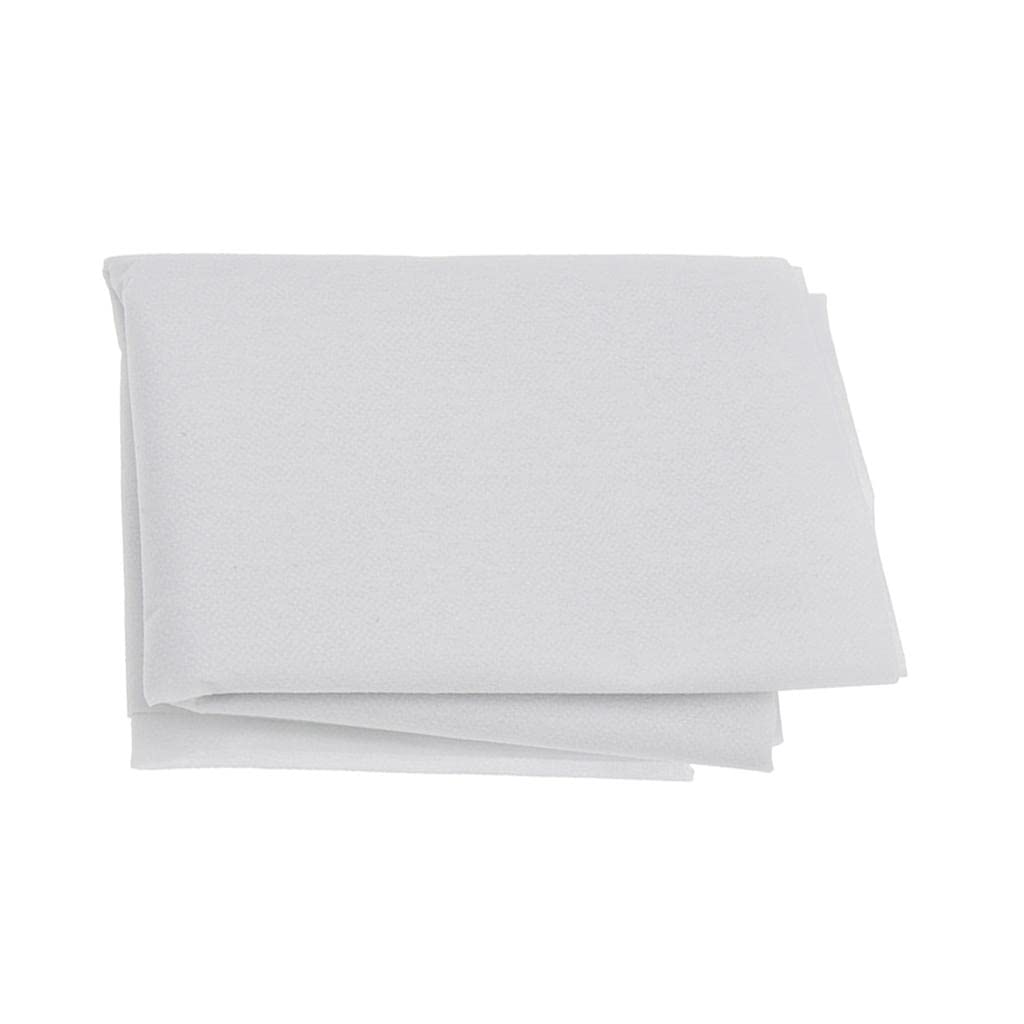
What Is Knitted Woven Fabric? Types, Techniques & Benefits
Knitted woven fabric is a hybrid textile that blends the structural strength of woven fabrics with t
16.10.2025
Read Article -
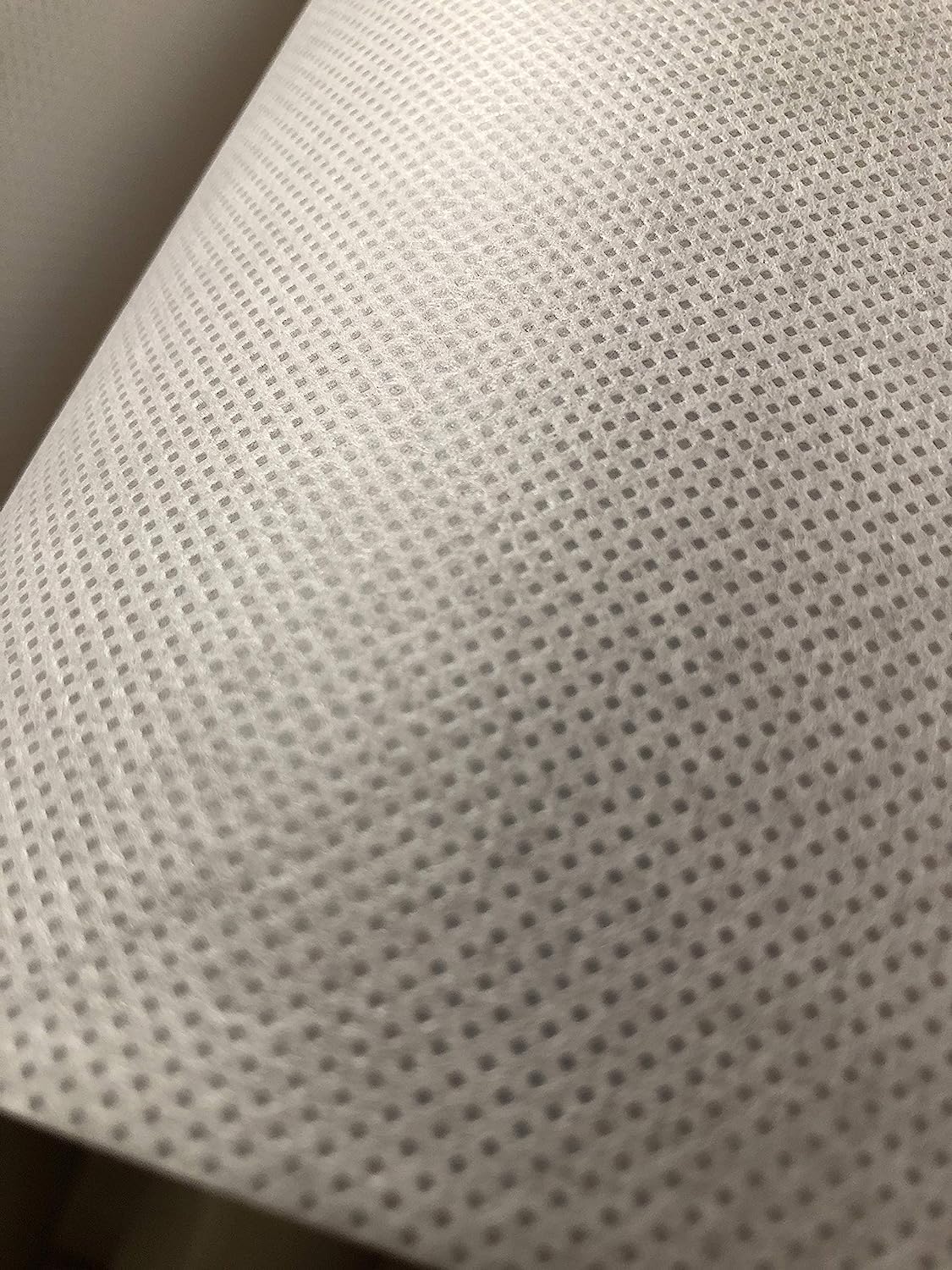
Non Woven vs Woven Fabrics: Key Differences & When to Use Each
Non Woven vs Woven Fabrics: Key Differences & When to Use Each
18.09.2025
Read Article -
Non Woven Polypropylene Fabric: Uses, Strengths & Comparison with Woven Fabric
Non Woven Polypropylene Fabric: Uses, Strengths & Comparison with Woven Fabric
19.09.2025
Read Article -
Spunbond Non Woven Fabric: How It’s Made and Where It’s Used
Explore the manufacturing process and applications of spunbond non woven fabric. Learn why it’s wi
11.09.2025
Read Article -
Polyester Non Woven Fabric: Benefits, Properties & Industrial Uses
Discover the benefits and industrial uses of polyester non woven fabric. Learn about its properties,
03.09.2025
Read Article -

What Is Non Woven Fabric? Definition, Manufacturing & Applications
Explore what non woven fabric is, how it’s made, and where it’s used. Learn about its unique pro
04.09.2025
Read Article -

Types of Nonwoven Fabric – A Complete Guide to Nonwoven Fabric
Learn about different types of nonwoven fabrics, their properties, manufacturing methods, and indust
20.05.2025
Read Article -
Redefining the Future of Wipes: Insights from WOW 2025
Elixrr Nonwovens shares key takeaways from WOW 2025, highlighting sustainable innovations, energy-ef
29.07.2025
Read Article -

Sustainability is Elixrr’s Focus at Global Wipes Markets at Wow 2025
Visit the WOW conference and see our proprietary nonwoven wipes fabrics Enduraspun, Ecopun and Softs
03.07.2025
Read Article -

Inside Elixrr: A Conversation with Subir Barman on the Future of Nonwovens and Next-Gen Manufacturing
As the global demand for sustainable, high-performance materials accelerates, Elixrr Nonwovens conti
20.05.2025
Read Article -
Spunlace Nonwoven Fabrics: Explore Characteristics and Benefits
In a world where hygiene, safety, and softness intersect, material science has a quiet hero, spunlac
20.05.2025
Read Article -
PentaTech™ by Elixrr Nonwovens: Pioneering the Future of High-Performance and Sustainable Nonwovens
Innovation in nonwoven materials isn’t optional anymore. It’s what drives progress. As industrie
07.05.2025
Read Article -
Is Non-Woven Fabric Biodegradable? Exploring the Eco-Friendliness of Non-Wovens
Every business is searching for environmentally appropriate substitutes as the globe moves towards s
02.05.2025
Read Article -
What Are Non Woven Fabrics Used For? Key Examples & Features
In an era defined by performance, precision, and sustainability, materials are no longer just passiv
28.04.2025
Read Article -
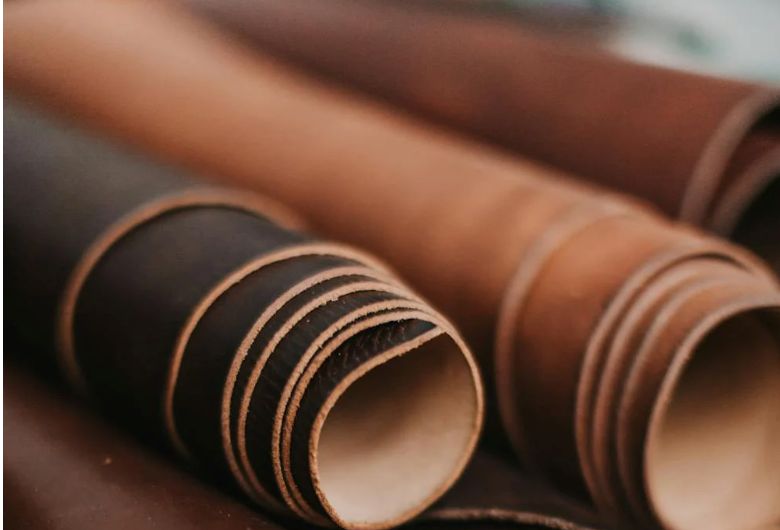
Is Leather a Non-Woven Fabric? Let’s Unravel the Truth!
Leather embodies luxury, durability, and style. However, in a society increasingly focused on novel
21.04.2025
Read Article -
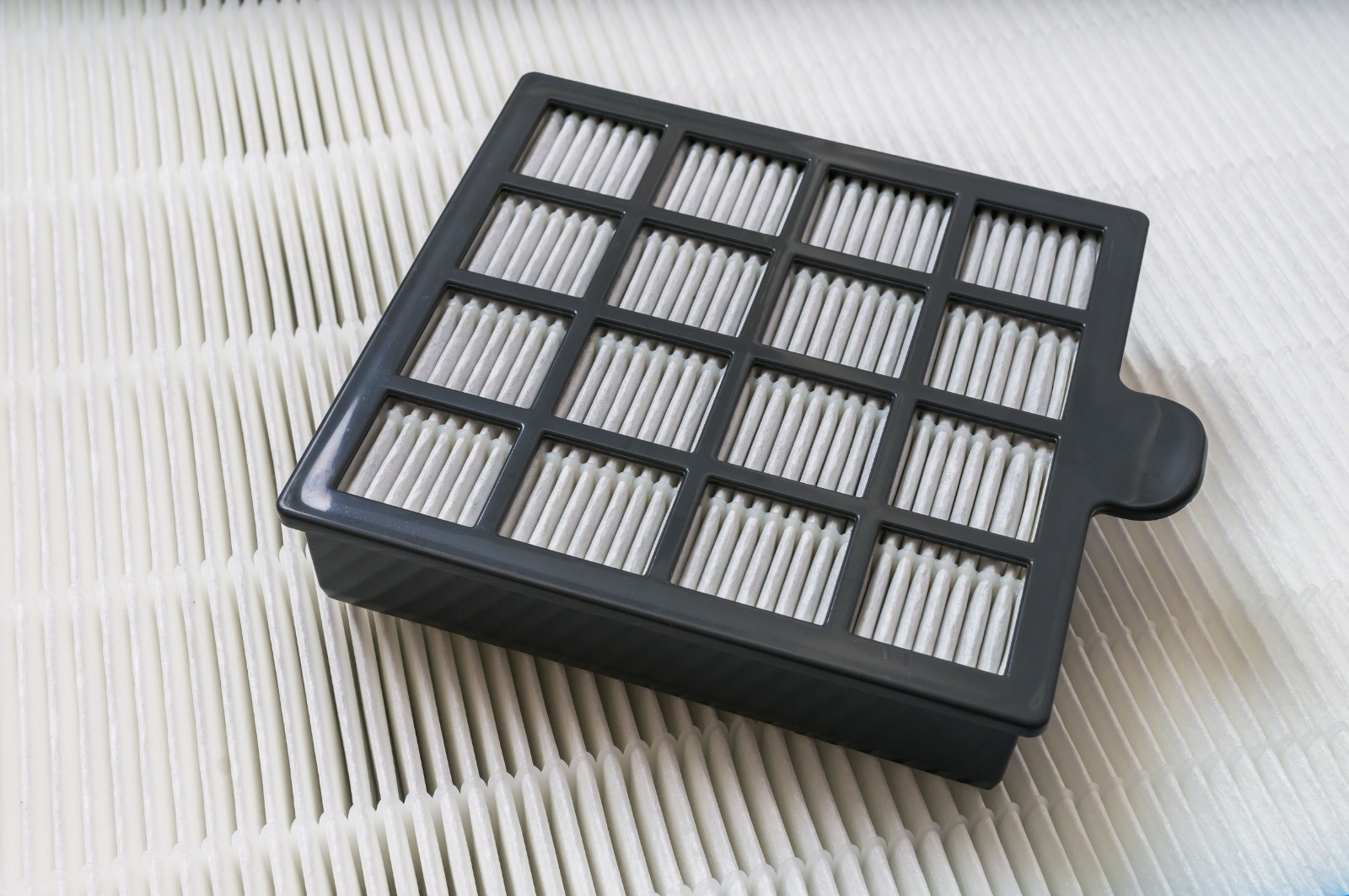
Can You Heat Press Non-Woven Fabric? A Complete Guide
The textile industry has embraced heat pressing. Adding colourful graphics to cloth banners or perso
18.04.2025
Read Article -
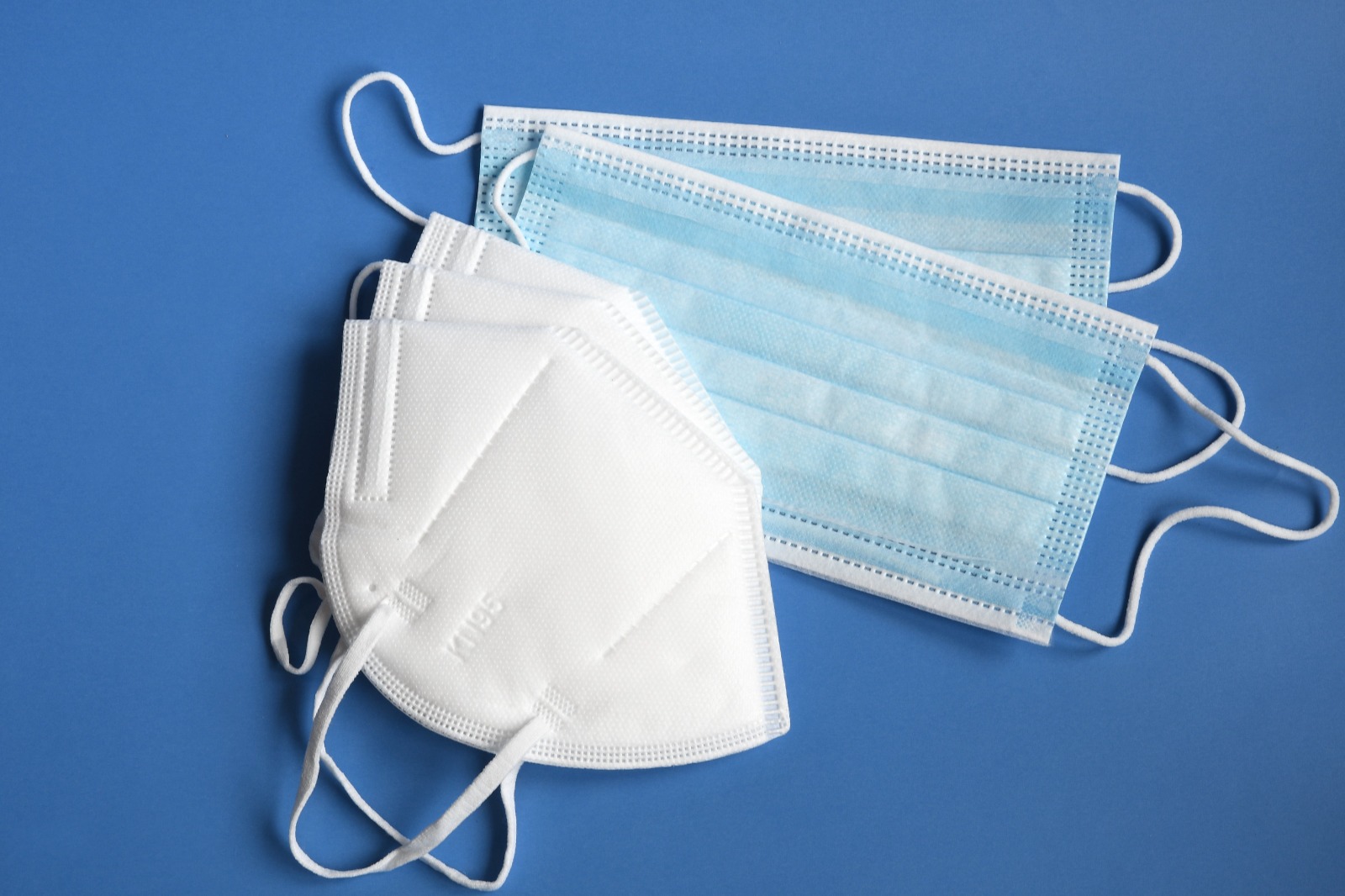
Can Non-Woven Fabric Be Washed? Let’s Unravel the Truth
Non-woven fabrics are used in a variety of applications, including medical masks, reusable shopping
14.04.2025
Read Article -
Non Woven Fabrics Vs Woven Fabrics: Choose the Right Fabric
If you have ever asked yourself why some materials are all about robustness while others are cutting
11.04.2025
Read Article -

Top 10 Non-Woven Fabric Manufacturers in Europe
The non-woven fabric industry has grown significantly in Europe, driven by the demand for high-quali
27.06.2025
Read Article -

Non-Woven Fabric: Moisture Absorption, Properties & Uses
When it comes to fabric selection, understanding the properties of different materials is essential,
04.04.2025
Read Article -

Types of Fabric: A Beginner Comprehensive Fabric Guide | 2025
Fabrics are the foundation of countless industries and everyday life, influencing everything from th
31.03.2025
Read Article -

What are Non-Woven fabrics?
India has always had a rich relationship with textiles. From the fine muslin that adorned royalty to
28.03.2025
Read Article
-
Explore Recent Blogs
Biodegradable Nonwoven Fabric: Materials, Benefits & Sustainability Impact
Sustainability has moved on from being a preference to a specification in nonwoven manufacturing. Bi
Read More
Lint Free Wipes: What Makes Them Different?
In precision cleaning, the wipe you choose can be as critical as the process itself. Lint free wipes
Read More
Surface Cleaning Wipes: Material Guide and Applications
Surface cleaning wipes are a hygiene essential across household, healthcare, dental, and industrial
Read More
INDEX 2026 Geneva: Everything You Need to Know About the World's Biggest Nonwovens Trade Show
INDEX 2026 is the world's largest nonwovens trade show, held every three years at Palexpo Geneva. Th
Read More

Weave Your Success with Our Revolutionary Fabrics
Power your business with Elixrr's cutting-edge nonwoven fabric solutions. Eco-friendly, customizable, and engineered for excellence—because innovation starts with the right foundation.

What is non woven fabric? This question is becoming increasingly relevant as industries move toward faster, more efficient, and application-driven materials. Unlike traditional woven fabric, which is created by interlacing yarns, non woven fabric is engineered by bonding fibers directly.
This fundamental difference allows non woven fabrics to be produced faster, at lower cost, and with properties tailored to specific applications such as absorbency, filtration, softness, or strength.
Today, non woven fabric is used across medical care, personal hygiene, premium wipes, and skincare. Spunlace non-woven sets the benchmark for what this material category can achieve: the softness of a textile, the absorbency of a natural fiber, and the performance consistency of a precision-engineered product.
The performance of non woven fabrics like spunlace materials depends largely on how it is made. Different production methods create different characteristics. For example, processes such as hydroentanglement create premium, fabric-like materials, which are widely used in wipes and hygiene products.
As industries continue to evolve, understanding what is non woven fabric helps in evaluating where it fits best, how it compares to woven fabric, and why it is increasingly preferred in modern applications. This knowledge is essential for product developers, buyers, and sourcing teams navigating an increasingly specification-driven global market.
Key Takeaways
● Non woven fabric is created by bonding fibers without weaving or knitting
● Spunlace non woven (hydroentangled) is the premium non woven construction: softest, most absorbent, most textile-like, and binder-free.
● It offers flexibility, cost efficiency, and customisation
● There are multiple non woven fabric types designed for different applications
● Spunlace non woven is the preferred substrate for wipes, medical textiles, personal care, and skin-contact applications globally.
● Sustainability in non woven fabric starts at the fiber. Biodegradable spunlace material is leading this shift.
What Is Non woven Fabric?
At its core, non woven fabric is a textile-like material made without weaving or knitting yarns. Instead, fibers are bonded directly to form a sheet, creating a flexible and functional structure.
Definition of Non Woven Fabric
Non woven fabric material is typically formed by bonding fibers through mechanical, thermal, or chemical processes. Unlike woven fabric, which requires spinning fibers into yarn and interlacing them, non woven fabrics skip these steps entirely.
Manufacturers commonly use fibers such as polypropylene, polyester, viscose, cotton, and blends, depending on the intended application. These fibers are engineered into a structure that can be tailored for softness, absorbency, filtration, or strength.
The result is a flat, porous material that can be designed for both disposable and durable applications. For example, lightweight non woven fabrics are widely used in hygiene products, while denser materials are used in industrial and construction applications.
As the process avoids traditional weaving, production is faster and more efficient. This allows manufacturers to control thickness, fiber distribution, and performance characteristics with a high degree of precision.
How Nonwoven Fabrics Differ from Woven Fabrics
The key difference between non woven fabric and woven fabric lies in structure and functionality.
Non woven fabrics differ fundamentally from woven fabrics across structure, production efficiency, cost, and application scope:
● Structure: Non woven fabric is formed as a bonded fibre web, while woven fabric is created by interlacing yarns in a structured pattern.
● Production speed: Non woven materials are manufactured at high speed using streamlined processes, whereas woven fabric production is comparatively slower due to multiple processing stages.
● Cost: Non woven fabrics are generally more cost-efficient to produce, while woven fabrics tend to be higher in cost due to labour, time, and process complexity.
● Common uses: Non woven fabrics are widely used in wipes, medical, hygiene, and filtration applications, while woven fabrics are more commonly used in apparel, upholstery, and reusable textile products.
While woven fabric is designed for long-term durability and garment construction, non woven fabric is engineered for functional performance in specific applications, the best example of this is spunlace non woven.
In applications like wipes, materials such as spunlace fabric for wipes are preferred because they combine softness with strength, something that traditional woven materials may not achieve as efficiently.
Types of Non woven Fabrics
Non woven fabrics differ mainly by how manufacturers bond fibers together. The production method determines the performance characteristics of various types of non woven fabrics. There are four broad types, and one particular, spunlace, is in a category of its own when performance and skin safety matter.
Spunlace Non Woven: The Performance Standard
Spunlace non woven fabric, also called hydroentangled nonwoven, is produced by directing high-pressure water jets onto a loose fiber web. The jets physically entangle the fibers without the use of heat, adhesives, or chemical binders. The result is a soft, strong, highly absorbent fabric with a hand feel closer to woven textile than any other nonwoven construction.
This is why spunlace non woven is the benchmark material for any application where the fabric touches skin, handles fluids, or carries a brand promise about quality.
What makes spunlace non woven distinct
● No binders or chemicals. The fabric is inherently cleaner and gentler on skin
● High absorbency with fast fluid release. It is ideal for wet wipes, cosmetic pads, and wound care
● Soft, drapable surface with low lint generation, which is critical in medical and cleanroom applications
● Excellent wet strength as spunlace non woven does not disintegrate when saturated
● Fully compatible with biodegradable fibers such as lyocell, cotton, and viscose, making it the preferred construction for sustainable and compostable product claims
● Basis weight range of 20–200 gsm covers everything from single-use wipes to reusable industrial cloths
Where spunlace non woven is specified
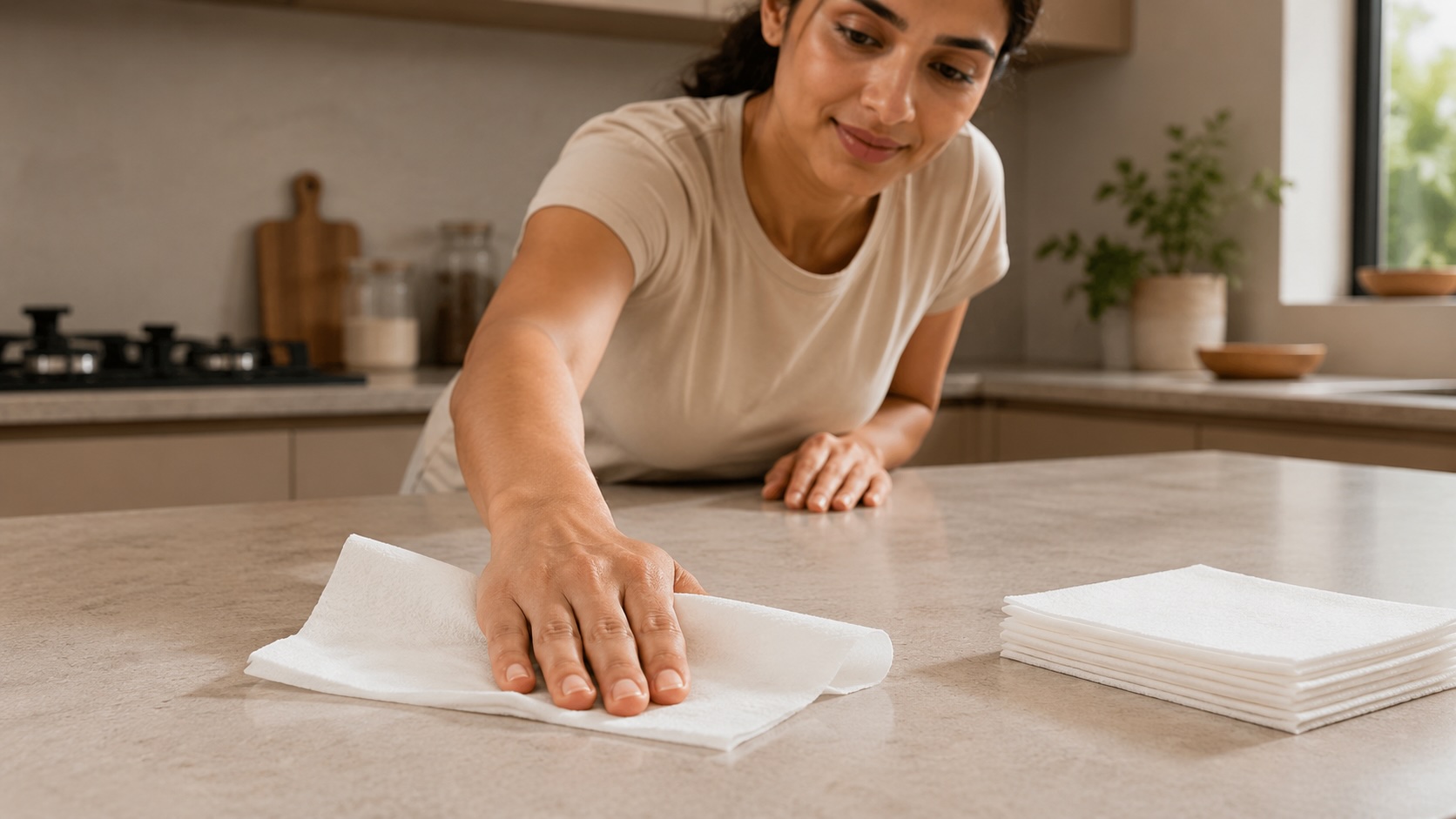
Wet wipes and dry wipes: Spunlace is the dominant substrate across the global wipes market, from baby care to industrial surface cleaning. Its combination of softness, wet strength, and absorbency is unmatched by any other construction. For a deeper look at how spunlace performs in wipes applications, read our spunlace non woven fabric applications and performance guide.
Medical and surgical textiles: Surgical drapes, wound dressings, patient wipes, and pre-operative skin preparation all rely on spunlace non woven for its near-zero lint generation and binder-free construction, which minimises contamination risk in clinical settings. Why nonwovens are specified in medical and healthcare explains these requirements in detail.
Personal care and cosmetics: Facial masks, cosmetic pads, makeup removal wipes, and skincare sheets are almost universally produced in spunlace non woven because its smooth, uniform surface holds serums and releases them evenly at skin contact.
Hygiene products: From premium feminine hygiene topsheets to baby care wipes, spunlace non woven delivers the combination of softness and reliability that personal care brands require. Uses of nonwoven fabric across hygiene and personal care covers the full application range.
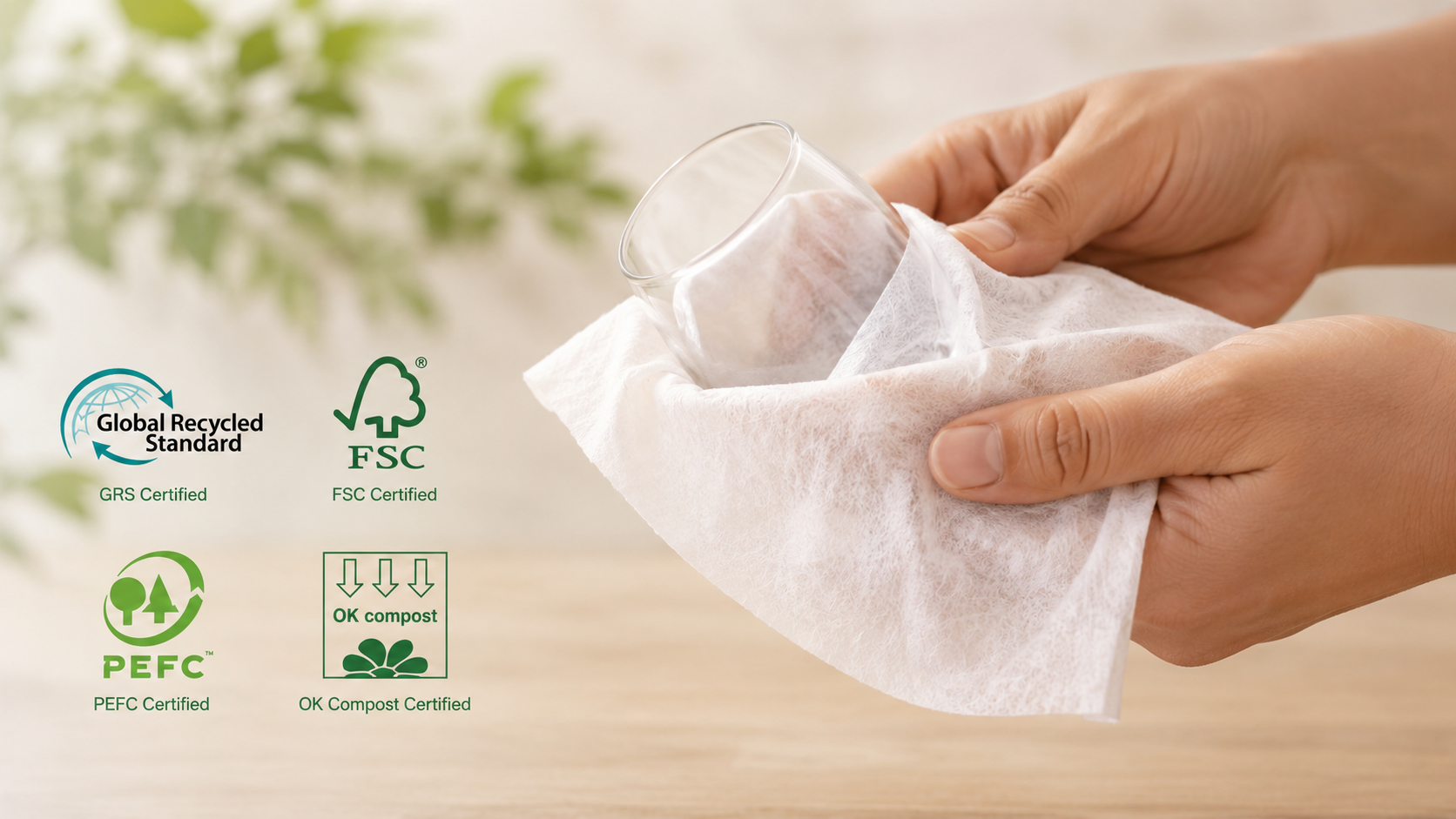
Sustainable packaging and certified biodegradable products: Spunlace non woven made from lyocell or cotton is compostable and can carry FSC, PEFC, and OK Compost certifications, positioning it at the centre of the nonwoven industry's sustainability transition. See what makes a nonwoven fabric biodegradable, for the material science behind these claims.
Other Non Woven Fabric Types
Other production methods each serve specific industrial or structural applications.
Spunbond extrudes continuous thermoplastic filaments bonded by heat and pressure, producing strong, lightweight fabric for medical gowns, agricultural covers, and geotextiles where structural coverage matters more than softness.
Meltblown nonwoven creates extremely fine microfibers using high-velocity air, delivering exceptional filtration efficiency for respirators and HVAC filters but with low tensile strength. It is almost always combined with stronger outer layers.
Needle-punched nonwovens use barbed needles to build thick, dense, durable sheets suited to geotextiles, automotive insulation, industrial felt and other applications requiring bulk and abrasion resistance.
For a full comparison, the types of non woven fabric guide covers each construction in detail.
How Is Non Woven Fabric Made?
Now that you know what is non woven fabric, understanding how nonwoven fabric is made gives greater depth about its performance. This is key to understanding why it performs differently from traditional woven fabric.
Unlike weaving, where yarns are interlaced, non woven fabric production focuses on forming a fiber web and then bonding it into a stable structure.
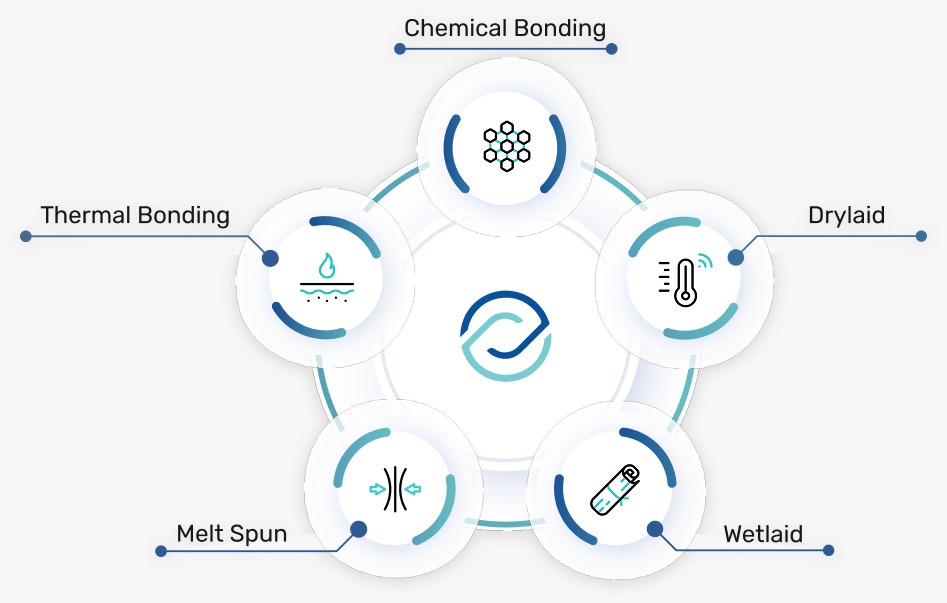
The process can be broadly divided into two stages: web formation and fiber bonding. Each stage plays a critical role in determining the final properties of the material, including strength, softness, absorbency, and filtration efficiency.
What Are the Main Web Formation Methods?
Before bonding can take place, fibers must first be arranged into a web. This step defines the structure, thickness, and uniformity of the final non woven fabric.
There are several common methods used in the nonwoven production process:
● Drylaid
Drylaid technology employs air turbulence to disperse fibers evenly, forming a web with consistent density and superior flexibility. This method allows to create nonwovens with high tensile strength.
● Spunlaid
Continuous filaments are extruded and laid directly into a web. This is a high-speed process used for durable applications such as packaging and medical fabrics.
● Meltblown Formation
Molten polymer is stretched into extremely fine fibers using hot air. This creates a web with a high surface area, ideal for filtration.
● Wet-laid Formation
Fibers are dispersed in water and deposited onto a screen, similar to papermaking. This method produces uniform and highly absorbent materials.
Each method influences how fibers are distributed and how the final material behaves in real-world applications.
How Are Fibers Bonded in NonWoven Fabric?
Once the web is formed, it must be bonded to give the material strength and stability. Without bonding, the fibers would remain loose and unusable.
There are three primary bonding methods used in non woven fabric production:
Mechanical Bonding (Including Hydroentanglement)
Mechanical bonding involves physically entangling fibers without the use of heat or chemicals.
One of the most important techniques in this category is hydroentanglement, where high-pressure water jets are used to intertwine fibers. This process creates spunlace nonwoven with strong fiber entanglement while preserving softness.
Hydroentangled spunlace nonwoven fabric, with a soft, absorbent, and textile-like feel, is the premium choice for brands making wipes, hygiene products, and medical applications. You can explore what is spunlace nonwoven fabric to understand how this process translates into real-world performance.
Another mechanical bonding method is needle punching, where barbed needles interlock fibers to create thicker and more durable materials used in industrial applications.
Thermal Bonding
Thermal bonding uses heat to fuse fibers together. This method works best with thermoplastic materials such as polypropylene and polyester. When heat is applied, fibers soften and bond at contact points as they cool. This creates a lightweight yet strong structure.
Chemical Bonding
Chemical bonding involves applying adhesives or binders to hold fibers together. This method allows manufacturers to control stiffness, flexibility, and surface properties.
Fiber Materials Used in Nonwovens
Fiber selection defines how your nonwoven fabric performs in real-world use. Manufacturers choose fibers based on cost, strength, absorbency, and chemical resistance.
Common materials include:
● Pulp-based (cellulose) blends: Highly absorbent materials made by combining cellulose fibers with synthetic or regenerated fibers. Pulp-blended nonwovens widely used in wipes and hygiene applications.
● Polypropylene (PP): Lightweight, moisture-resistant, and widely used in spunbond and meltblown fabrics.
● Polyester (PET): Strong and heat-resistant, suitable for durable industrial applications.
● Polyethylene (PE): Flexible and often used in composite structures.
● Cotton and viscose (rayon): Soft and absorbent, ideal for wipes and medical products.
You can also blend fibers to balance softness, strength, and cost. The combination of fiber type, web formation, and bonding method determines the final fabric’s structure and performance characteristics.
What Are the Key Properties of Non Woven Fabric?
The performance of non woven fabric comes from how it is engineered during the manufacturing process. Unlike woven fabric, where properties are largely fixed by yarn structure, non woven fabrics can be designed to meet specific functional requirements.
The properties most relevant to premium non woven fabric applications, such as softness, absorbency, wet strength, and breathability, are delivered most completely by spunlace non woven. Other constructions trade these off for structural strength or filtration efficiency.
You can control strength, airflow, absorbency, and surface feel by adjusting fiber type and bonding method.
Strength and Durability
Nonwoven fabrics offer a high strength-to-weight ratio, allowing lightweight materials to deliver strong performance. Manufacturers achieve this through different bonding methods such as mechanical, thermal, or chemical processes, which influence tensile strength and durability.
Among these, spunlace nonwoven fabric stands out for its high strength without the use of binders, maintaining durability even in wet conditions. This makes it suitable for both hygiene and industrial applications, where consistent performance is critical.
Permeability and Absorbency
Nonwoven fabrics can be engineered to control airflow, liquid absorption, and filtration efficiency. Factors such as fibre structure and bonding method determine how permeable or absorbent the material becomes.
Spunlace offers high and tunable absorbency, making it particularly effective for cleaning and hygiene substrates. At the same time, it maintains breathability, allowing a balance between fluid management and airflow.
Texture and Surface Feel
The texture of nonwoven fabrics can range from soft and cloth-like to dense and firm, depending on fibre composition and manufacturing technique.
Spunlace nonwoven fabric provides the highest level of softness among nonwoven types, along with very low lint generation and excellent skin-contact suitability. This makes it ideal for applications requiring comfort and cleanliness. In contrast, other constructions may feel stiffer or less refined, depending on their bonding process.
Sustainability and Material Options
Nonwoven fabrics can incorporate a variety of fibre types, including synthetic and natural options.
Spunlace supports biodegradable fibre options such as cotton, viscose, and lyocell, offering greater flexibility for sustainable product development. Other nonwoven constructions typically offer fewer options in this area. The binder-free construction of spunlace non woven and its natural fiber compatibility makes it the only nonwoven type that can credibly support on-pack biodegradability and compostability claims without reformulation.
Primary Uses of Nonwoven Fabrics
Nonwoven fabrics have extensive uses in our everyday lives. You encounter nonwoven fabrics in critical settings where hygiene, filtration, strength, and cost control matter. Manufacturers select specific fiber types and bonding methods to match medical standards, absorbency needs, or structural performance requirements.
Medical and Healthcare Applications
You rely on nonwoven fabrics throughout hospitals and clinics because they support infection control and single-use safety protocols. Manufacturers commonly use polypropylene nonwovens to produce face masks, surgical gowns, isolation gowns, and surgical drapes.
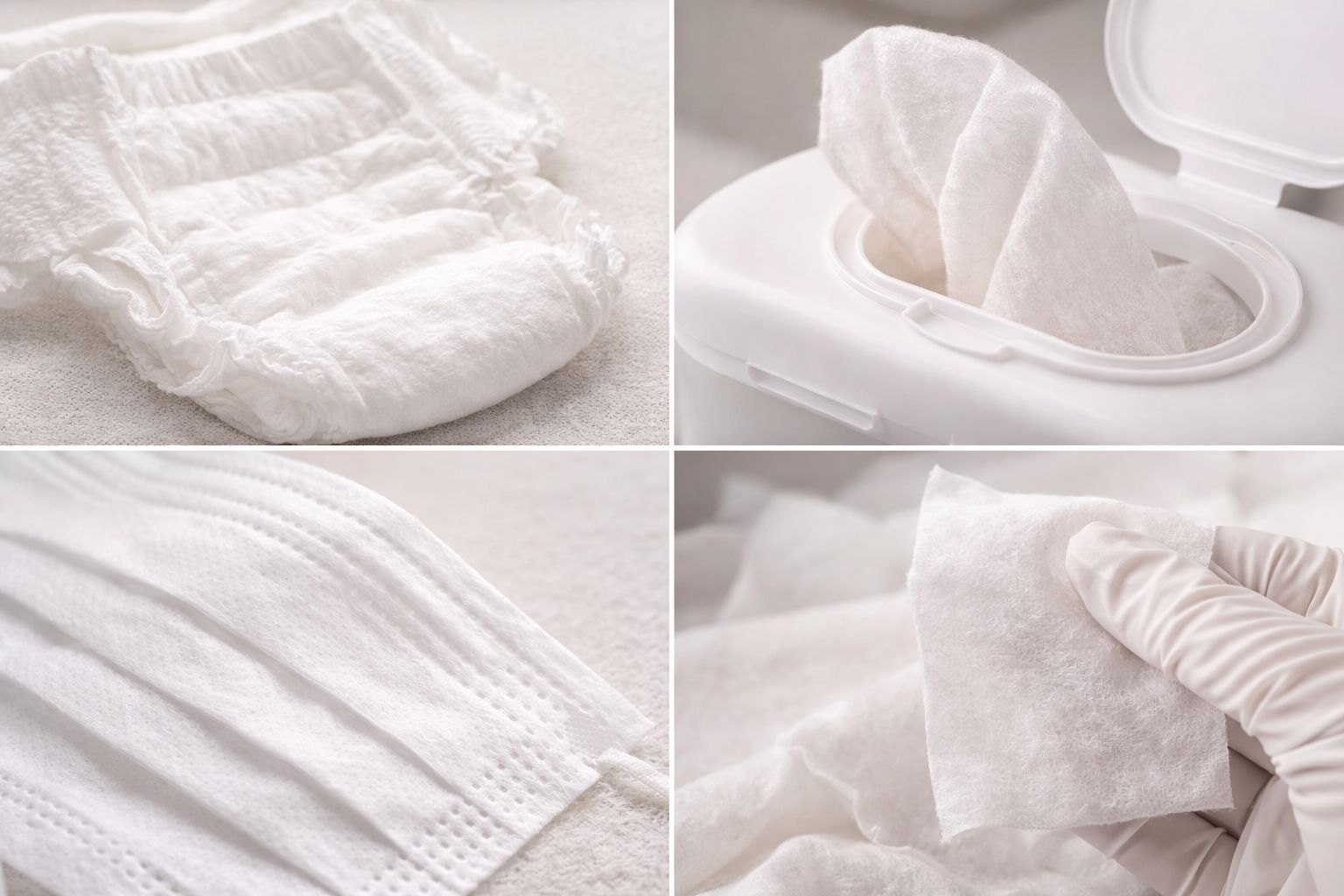
You also find nonwovens, such as spunlace materials, in wound dressings, surgical caps, shoe covers, and disposable bed sheets. Their structure allows fluid resistance, absorbency, or softness depending on the design.
Hygiene and Personal Care Products
You use nonwoven fabrics daily in hygiene products designed for comfort, absorption, and skin safety. Common applications for different types of nonwoven fabric include:
● Baby diapers
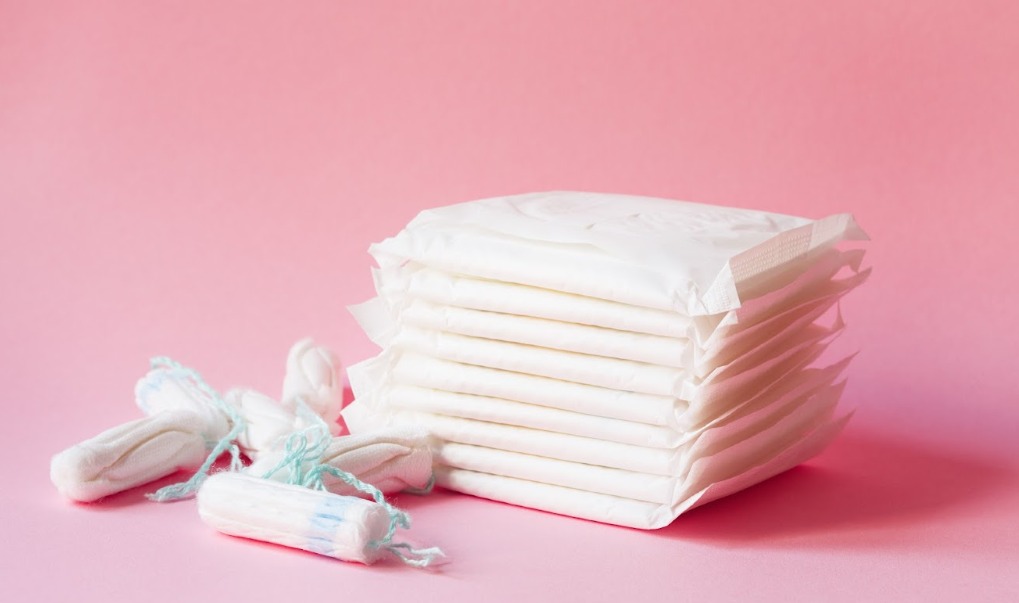
● Feminine hygiene products
● Adult incontinence products
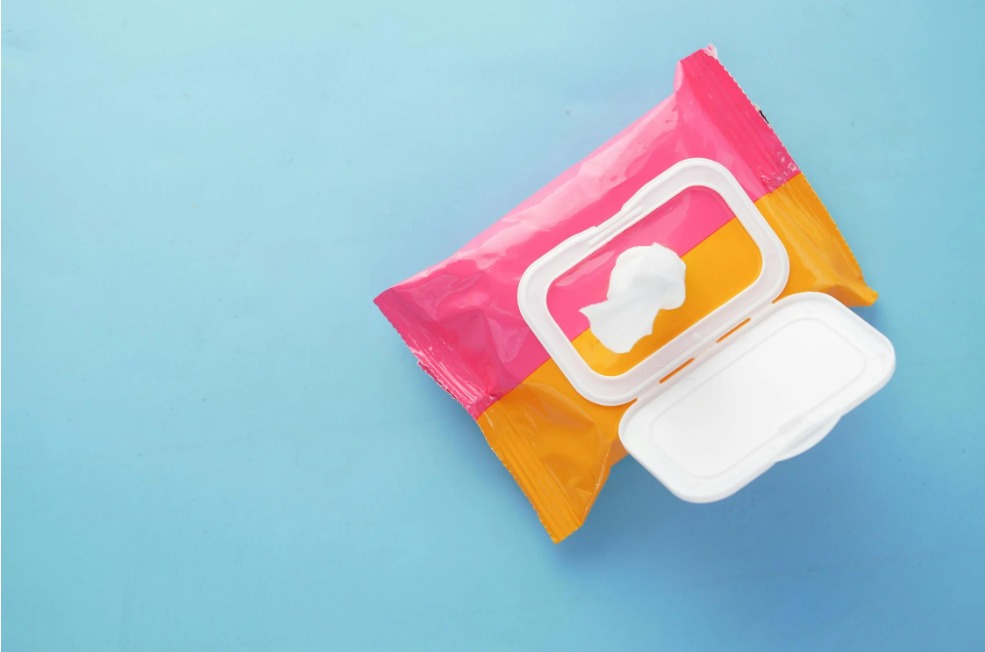
● Wet wipes and dry wipes
● Airlaid absorbent cores
In diapers and sanitary products, fabric-like spunlace non woven top sheets allow liquid to pass through while keeping the surface relatively dry. These absorbent materials are layered into cores to improve comfort and reduce leakage.
Manufacturers often choose spunlace nonwovens for softness and flexibility. In wet wipes, hydroentangled (spunlace) fabrics provide strength when wet and a cloth-like feel.
You benefit from their lightweight structure and consistent quality. Producers can also incorporate antibacterial treatments, lotion finishes, or biodegradable pulp-blended nonwovens to meet specific product requirements.
Industrial and Construction Uses
You see nonwoven fabrics in industrial applications such as construction, automotive manufacturing, filtration systems, and agriculture.
In construction and civil engineering, nonwoven geotextiles support drainage, soil separation, erosion control, and road stabilisation.
Automotive manufacturers use nonwovens in insulation, carpet backing, trunk liners, and cabin air filters. These materials reduce weight while maintaining durability and sound absorption.
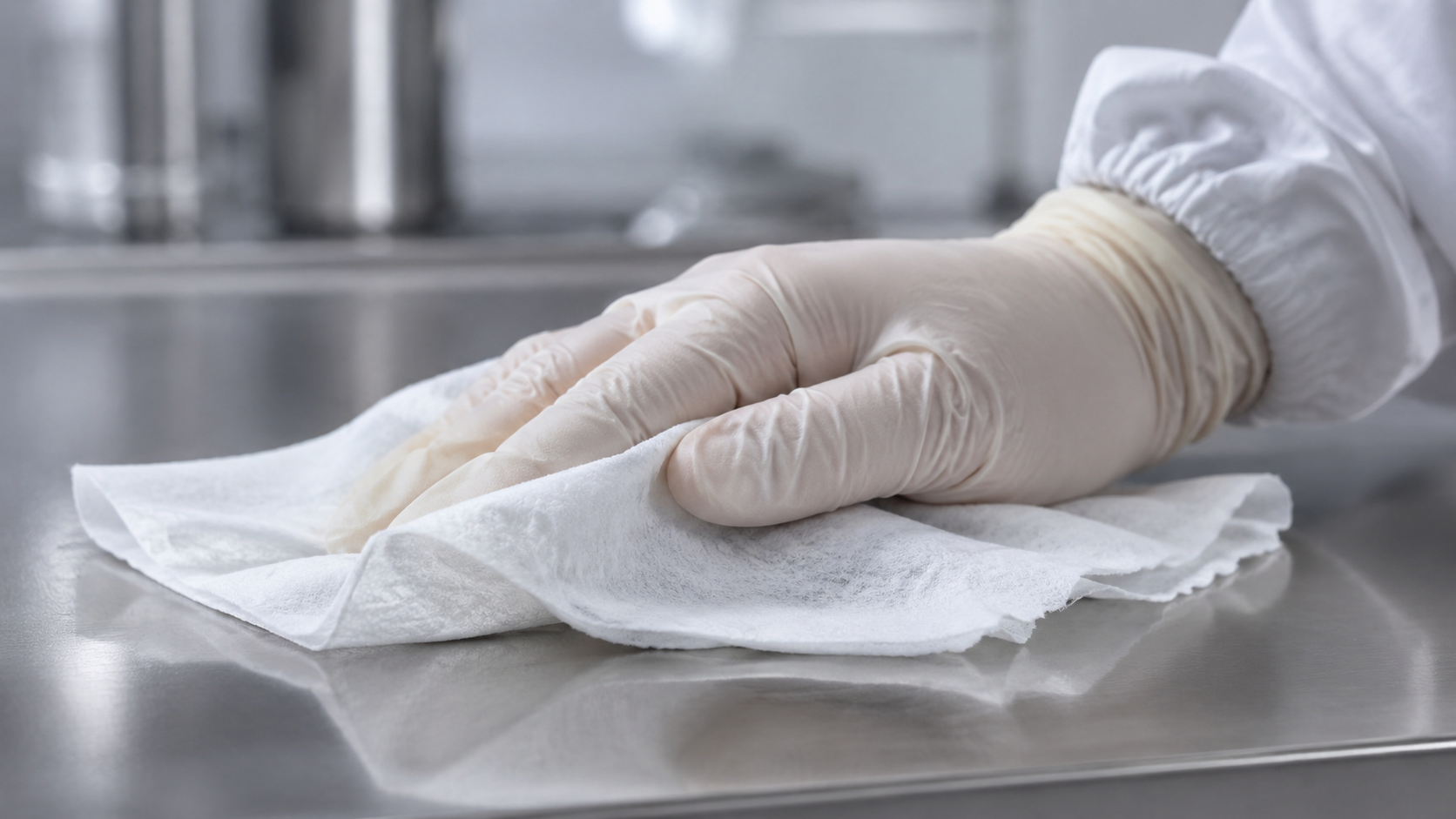
In filtration, nonwovens capture fine particles in air and liquid systems. Industrial wipes also rely on strong, lint-resistant spunlace nonwovens for equipment cleaning and maintenance.
You choose nonwoven materials in these settings because they combine performance, scalability, and cost efficiency without the complexity of traditional woven textiles.
Specialised and Emerging Applications
Nonwoven fabrics support high-performance filtration, lightweight vehicle components, and durable home products. You benefit from their precise fiber control, scalable production, and ability to combine strength, absorbency, and barrier properties in a single material.
Filtration and Environmental Applications
There is a rapid growth in recyclable, pulp-blended nonwovens and bio-based fibers like spunlace, which reduce reliance on virgin plastics and support sustainability goals.
For air, liquid, and industrial filtration, non wovens are used as manufacturers can control fiber diameter, density, and layering.
In liquid filtration, producers use nonwovens for water filters, oil filtration, and wastewater treatment. These materials balance flow rate and particle retention, which helps you maintain system efficiency without frequent replacement.
Environmental uses extend to geotextiles and erosion control. Thick fleece-like nonwovens stabilize soil, improve drainage, and separate aggregate layers in road construction.
Automotive and Transportation
You encounter nonwoven fabrics throughout vehicle interiors and structural systems. Manufacturers use them in headliners, carpets, trunk liners, door panels, and seat padding because they offer low weight and consistent performance.
Lightweight construction matters. Nonwovens help reduce overall vehicle mass, which supports fuel efficiency and electric vehicle range targets.
In addition, there is a distinct benefit from their acoustic and thermal insulation properties. These materials help manage temperature and sound in automotive and building applications.
Automotive producers often select polyester or polypropylene fibers for durability and resistance to moisture and chemicals. Many components now include recycled fibers, which helps manufacturers meet environmental standards without sacrificing mechanical strength.
Home and Furnishing Solutions
Nonwoven fabrics appear in everyday household products that require hygiene, cushioning, or protection. You find them in mattress covers, upholstery backing, carpet underlay, and furniture padding.
Spunlace and other nonwovens provide breathable yet durable layers in bedding and disposable cleaning wipes. Their structure allows controlled absorbency while maintaining tensile strength.
In home improvement, you use nonwovens as wallcovering backings and insulation layers. They resist tearing, conform to surfaces, and improve dimensional stability compared to traditional paper-based materials.
Manufacturers also apply stain resistance, flame retardancy, or antimicrobial finishes to meet building codes and consumer safety standards. This adaptability lets you match material performance to specific residential and commercial needs.
What Are The Benefits of Nonwoven Fabrics and Where Spunlace Leads
The benefits of non-woven fabric include practical advantages in cost, design flexibility, and environmental performance. You can tailor them for specific uses while keeping production efficient and material waste low.
Cost-Effectiveness
You reduce production costs because nonwoven fabrics skip weaving and knitting. Manufacturers bond fibers through mechanical, thermal, or chemical processes, which shortens production time and lowers labor needs.
This streamlined process also reduces material waste. Many nonwovens use staple fibers or continuous filaments efficiently, which helps control raw material costs.
You also gain savings in large-scale applications. Industries such as medical, hygiene, agriculture, and construction rely on nonwovens because they deliver required performance at a lower unit cost than many traditional textiles.
Spunlace non woven is a premium construction but remains cost-competitive in high-volume applications like wipes and medical disposables, where consistent quality across millions of units is non-negotiable.
Performance precision
Non woven fabric can be engineered for specific functions by adjusting fiber type, bonding method, and basis weight. Spunlace non woven takes this furthest. Jet pressure, line speed, and fiber blend can all be tuned to hit precise absorbency, tensile strength, and surface texture targets.
For example:
● Spunlace: Fabric-like texture, softness, lightweight, high absorbency
● Spunbond: Strong and lightweight
● Meltblown: Fine fibers with high filtration efficiency
● Needle-punched: Thick, durable, and suitable for geotextiles
Sustainability and Environmental Impact
Non woven fabric's sustainability profile depends on fiber choice and process. Environmental impact can be reduced by selecting sustainable materials such as recyclable or bio-based fibers. Pulp-blended nonwoven materials, including those produced by Elixrr Nonwovens, are widely used in disposable applications due to their high absorbency and potential for biodegradability, depending on fiber composition.
For example, spunlace non woven uses no chemical binders, which means fabrics made from lyocell, cotton, or viscose can biodegrade without leaving synthetic residue. This is the material basis for recyclable and compostable nonwoven products, and it is why spunlace is driving the sustainable wipes and medical disposables market forward.
Production often consumes less energy compared to traditional textile weaving because it involves fewer mechanical steps. The simplified process can lower emissions and water use, depending on the manufacturing method. You can also reduce waste through precise material engineering. By designing fabrics with exact thickness and performance characteristics, manufacturers limit excess material use and support more efficient product lifecycles.
Global Nonwoven Market Growth and Industry Outlook
The global market for nonwoven fabric continues to expand, driven by increasing demand in hygiene, healthcare, and industrial sectors. The global non woven fabric market was valued at approximately USD 60 billion in 2025 and is projected to reach USD 75–82 billion by 2030, growing at a CAGR of 5–6% according to leading research. Healthcare and hygiene together account for nearly 50% of market revenue, both sectors where spunlace non woven is the specification of choice.
According to industry insights from platforms like European Disposables and Nonwovens Association and Index Nonwovens , the sector is experiencing steady growth due to:
● Rising hygiene awareness
● Expansion in healthcare infrastructure
● Increased use of disposable products
● Innovation in nonwoven production process
Events such as INDEX™26 in Geneva, 19–22 May 2026, set the agenda for the industry's next three years. Sustainability requirements, biodegradable fiber innovation, and rising specification standards in medical and personal care are the dominant themes, and spunlace non woven sits at the intersection of all three.
Manufacturers are developing:
● Biodegradable fiber blends
● Recycled polymer inputs
● Improved recycling systems
● Lower-energy production methods
You can also expect growth in high-performance applications. Advanced nonwovens now target filtration, wound care, insulation, and geotextiles, where engineered fiber structure improves function.
Ongoing research focuses on improving the strength-to-weight ratio and enhancing recyclability without sacrificing cost efficiency. As technology advances, there is a greater need to balance performance requirements with environmental responsibility and regulatory compliance.
The future of nonwoven fabric lies in sustainability, advanced fiber blends, and application-specific innovations.
Conclusion
Understanding what is non woven fabric helps explain why it has become such an important material across industries. Its ability to combine efficiency, adaptability, and performance makes it a preferred choice for modern applications.
As demand continues to grow, non woven fabrics will play an even greater role in shaping the future of manufacturing and product design. Among all the different types, spunlace non woven represents the highest expression of that range for premium, skin-contact, and sustainability-led applications.
Explore how Elixrr's spunlace non woven fabrics are applied across industries, or contact our team to discuss your product specification.
Frequently Asked Questions
1. What is non woven fabric made of?
Non woven fabric is made from fibers, synthetic ones like polypropylene and polyester, or natural like cotton and lyocell. They are bonded together by mechanical, thermal, or chemical processes rather than weaving. Spunlace non woven uses only water jets to bond fibers, making it entirely binder-free.
2. What is the difference between woven and non woven fabric?
Woven fabric is made by interlacing yarns; non woven fabric bonds fibers directly. Non woven fabric is faster to produce, more cost-effective, and far more customisable for specific performance needs. Spunlace non woven is the construction that comes closest to the feel and drape of woven textile.
3. What are the main uses of non woven fabric?
Non woven fabric is used in medical wipes, surgical drapes, baby care, feminine hygiene, cosmetic pads, filtration media, industrial cleaning, agricultural covers, and geotextiles. Spunlace non woven is the preferred substrate for all skin-contact and fluid-handling applications.
4. Is non woven fabric eco friendly?
It depends on fiber composition and bonding method. Spunlace non woven made from lyocell, cotton, or viscose is fully biodegradable and compostable, and because the process uses no chemical binders, it can carry FSC, PEFC, and OK Compost certifications. It is the most credible non woven fabric option for brands making on-pack sustainability claims. Degradable pulp-blended nonwovens such as those made by Elixrr Nonwovens can be used as eco-friendly substrates for various applications.
5. What is spunlace non woven fabric and why is it preferred for wipes?
Spunlace non woven fabric is produced by hydroentanglement. High-pressure water jets physically entangle fibers without any binders or heat. The result is a soft, strong, highly absorbent, binder-free fabric that performs exceptionally at skin contact and holds its integrity when wet. This makes it the global standard substrate for wet wipes, cosmetic pads, medical dressings, and premium hygiene products
6. What are the types of non woven fabrics?
The main types are spunlace (hydroentangled), spunbond, meltblown, and needle-punched. Spunlace non woven fabric is the benchmark for skin-contact, absorbency, and sustainability applications. Spunbond suits structural and coverage applications; meltblown is used in filtration; needle-punched serves heavy industrial and geotextile uses.