


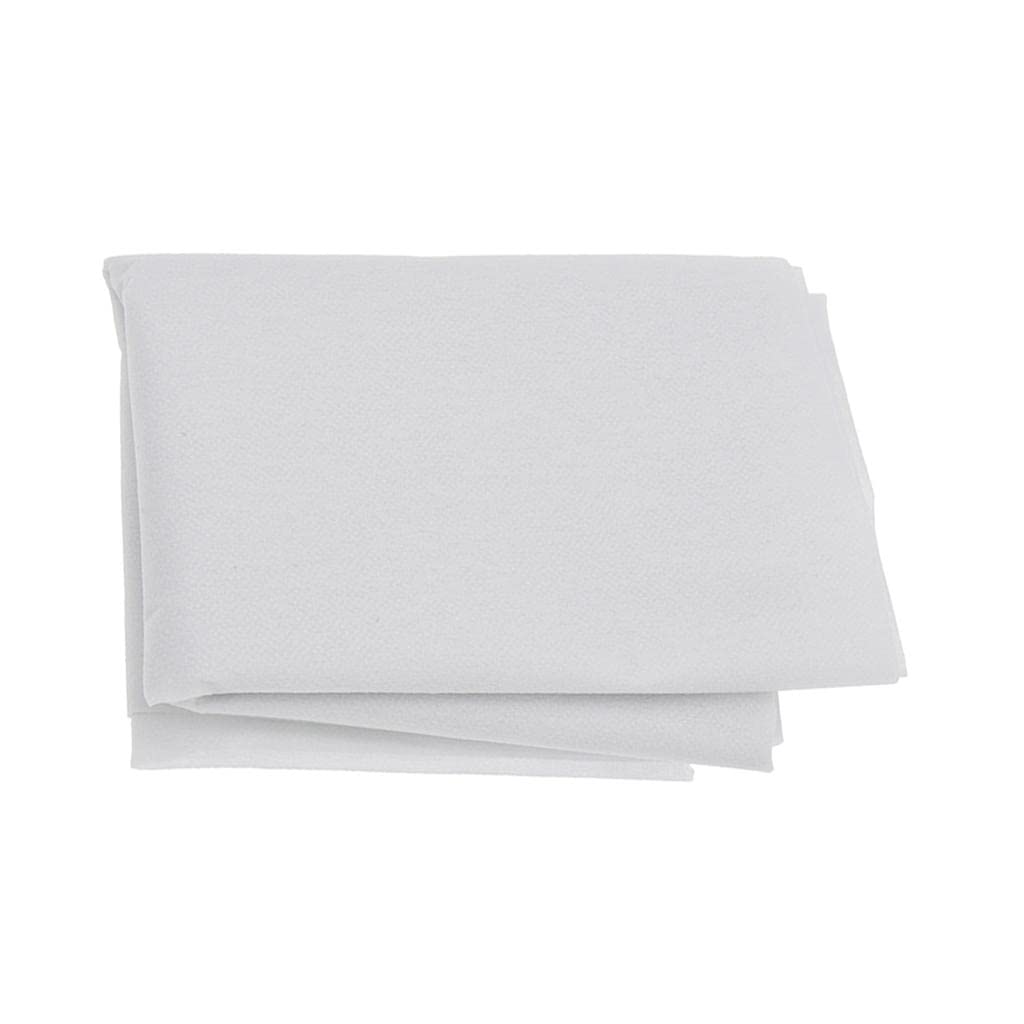
Non Woven Polypropylene Fabric: Uses, Strengths & Comparison with Woven Fabric
Non woven polypropylene (PP) fabric has become one of the most widely used materials across industries due to its durability, cost-effectiveness, and versatility.
-
Recent Post
-
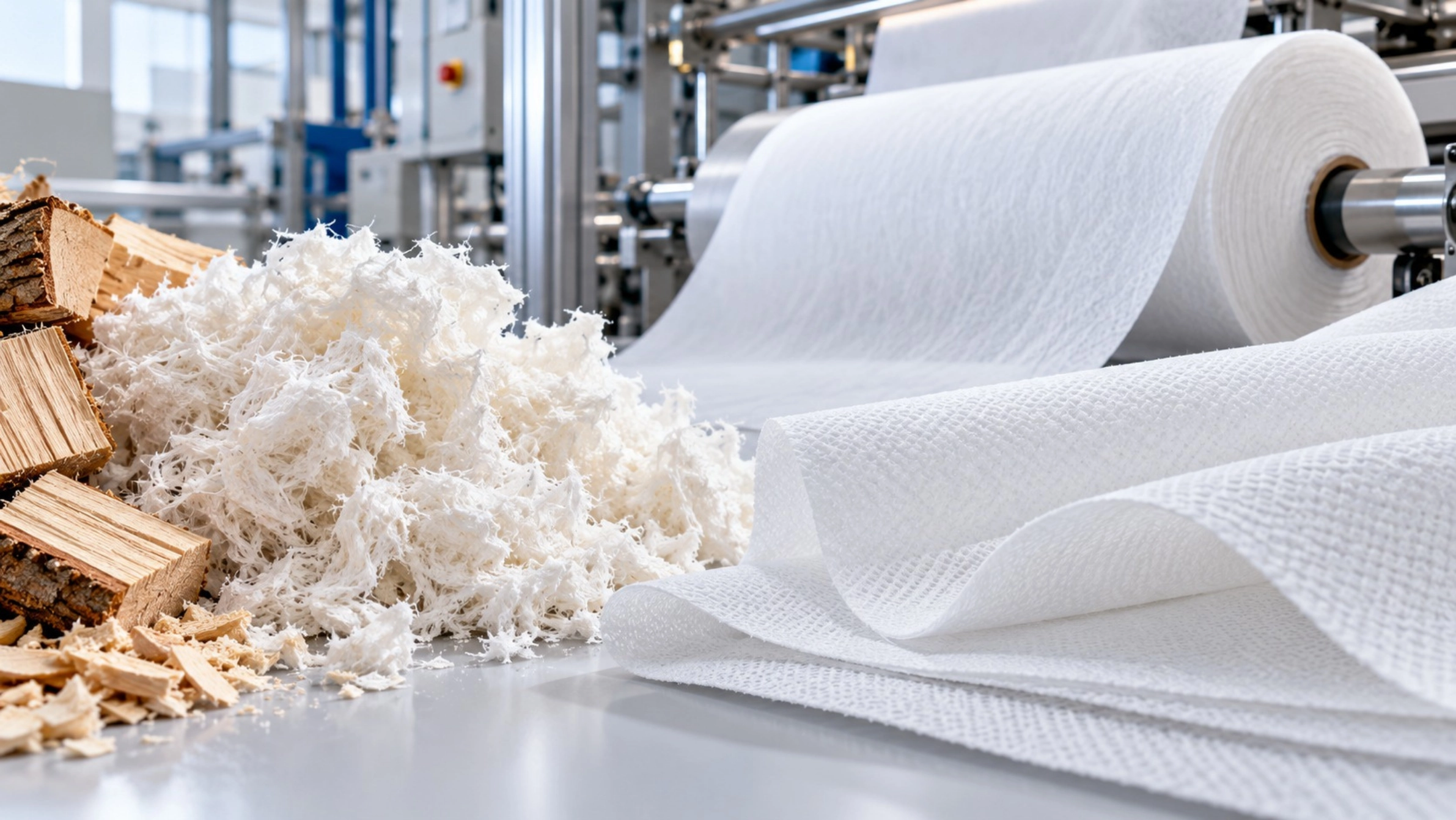
How Wood Pulp Content Affects Wipe Absorbency, Strength and Texture
A cleaning wipe looks like a plain sheet of fabric, but what it’s made from decides how it behave
11.11.2026
Read Article -
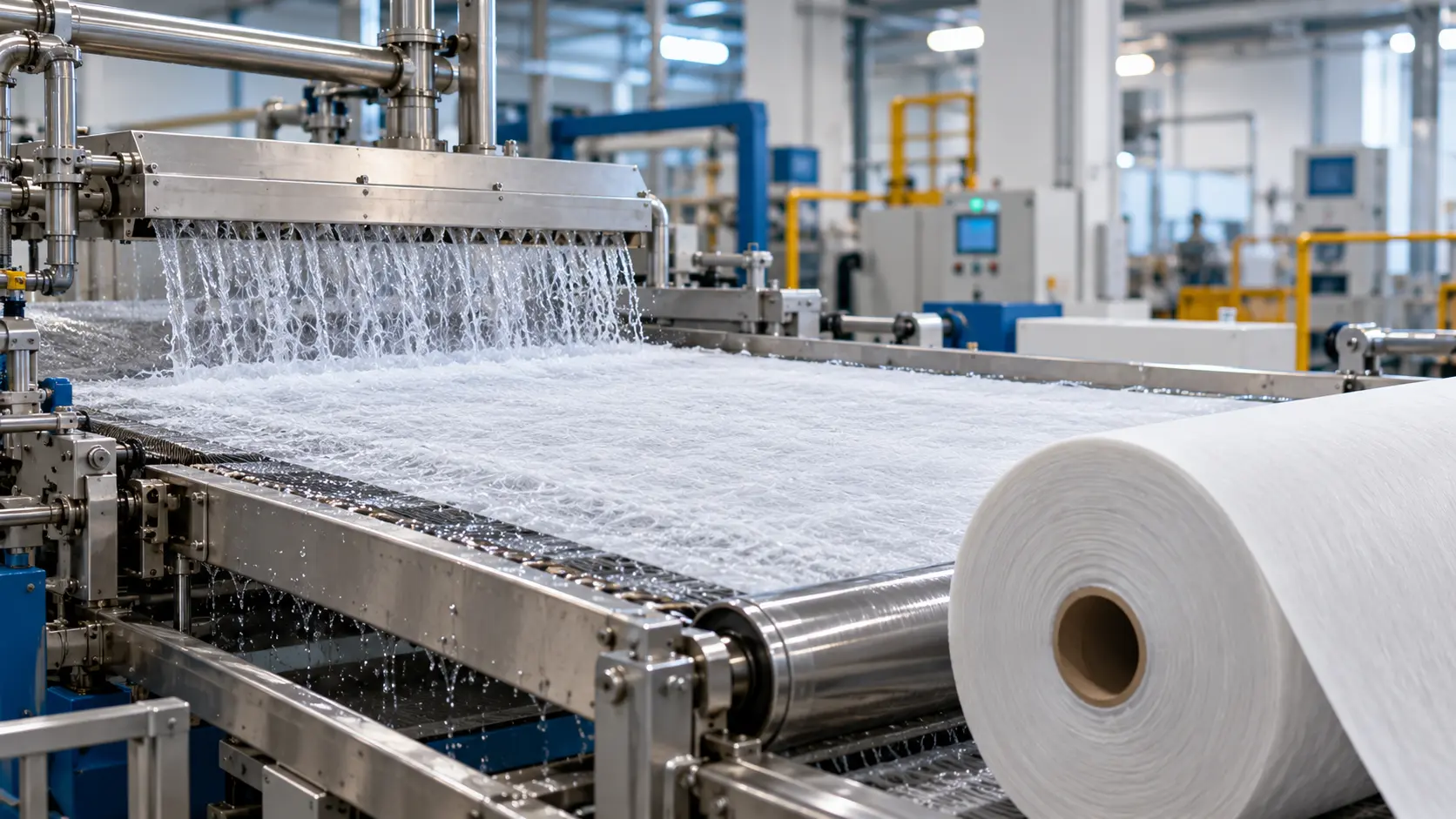
What Is Wetlaid Nonwoven Fabric? Process & Uses
Wetlaid nonwoven fabric is an engineered material manufactured by dispersing fibres in water to crea
03.11.2026
Read Article -
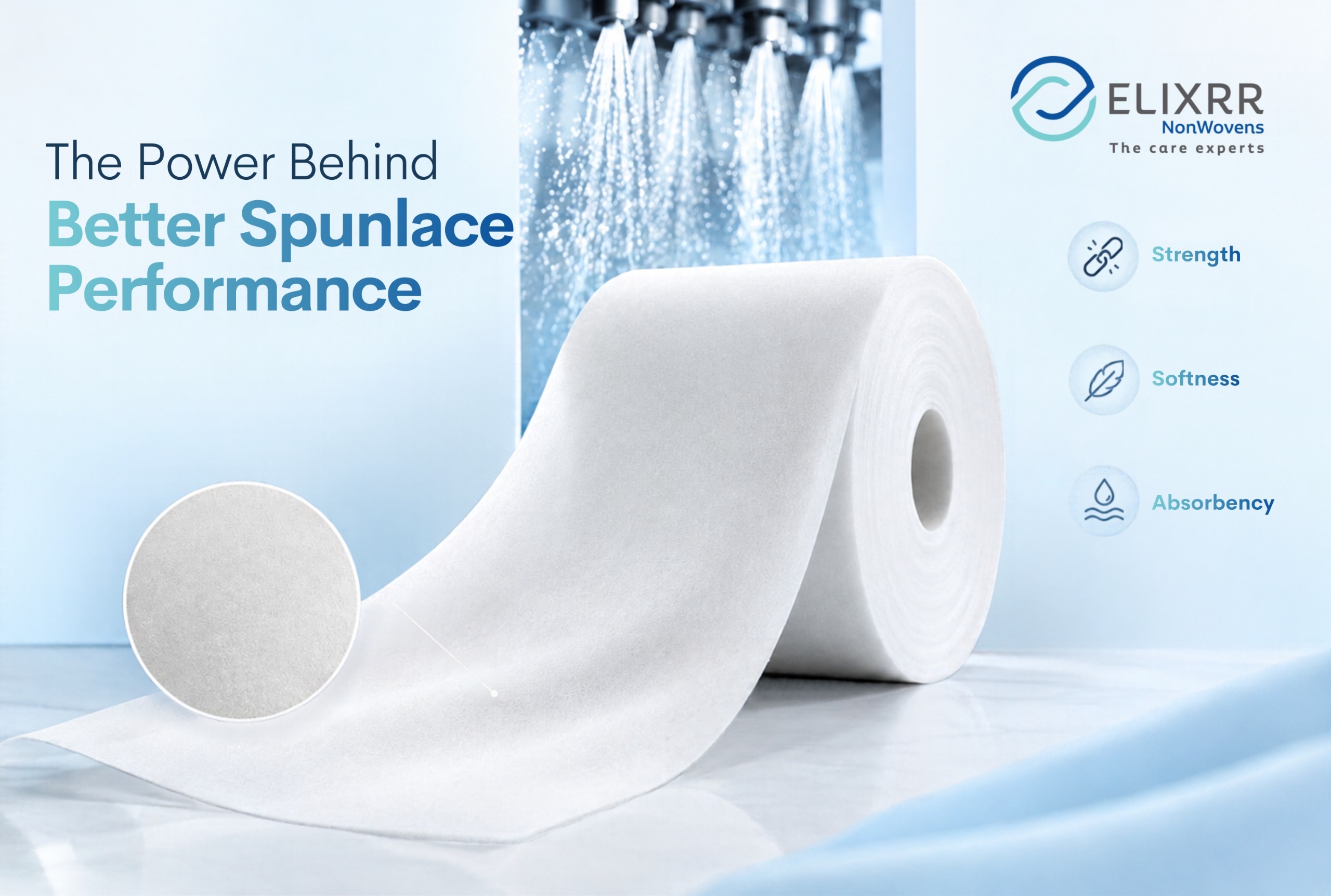
How Hydroentanglement Energy Changes Spunlace Strength, Softness, and Absorbency
Ask a spunlace producer what makes one fabric stronger than another and fibre choice usually comes
28.10.2026
Read Article -
Why Fibre Ratio Can Change Nonwoven Performance Even When GSM Remains Constant
A buyer lines up two spunlace samples. Both are 50 GSM and the price per square metre is close.A buy
20.06.2026
Read Article -
What Should Be Validated Before Moving From a Nonwoven Trial to Commercial Production?
A trial run that performs well doesn't automatically mean you're ready to commit commercial volume.
14.10.2026
Read Article -
Best GSM For Wet Wipes A Procurement Guide for Choosing the Right Spunlace Fabric
Getting the GSM wrong is one of the most common and most expensive mistakes in wet wipes sourcing.
20.06.2026
Read Article - View All Blogs
-
Need nonwoven solutions for your application?
Talk to our team about custom fabrics, sustainability, and product development tailored to your industry.
Explore Recent Blogs
How Wood Pulp Content Affects Wipe Absorbency, Strength and Texture
A cleaning wipe looks like a plain sheet of fabric, but what it’s made from decides how it behave
Read More
What Is Wetlaid Nonwoven Fabric? Process & Uses
Wetlaid nonwoven fabric is an engineered material manufactured by dispersing fibres in water to crea
Read More
How Hydroentanglement Energy Changes Spunlace Strength, Softness, and Absorbency
Ask a spunlace producer what makes one fabric stronger than another and fibre choice usually comes
Read More
Why Fibre Ratio Can Change Nonwoven Performance Even When GSM Remains Constant
A buyer lines up two spunlace samples. Both are 50 GSM and the price per square metre is close.A buy
Read More

Weave Your Success with Our Revolutionary Fabrics
Power your business with Elixrr's cutting-edge nonwoven fabric solutions. Eco-friendly, customizable, and engineered for excellence—because innovation starts with the right foundation.

Non woven polypropylene (PP) fabric has become one of the most widely used materials across industries due to its durability, cost-effectiveness, and versatility. From medical masks to reusable shopping bags, this fabric has revolutionized how we manufacture lightweight yet strong products. In this article, we will explore what non woven polypropylene fabric is, its common uses, strengths, and how it compares with woven fabric.
What is Non Woven Polypropylene Fabric?
Non woven polypropylene is a fabric made from thermoplastic polymer polypropylene without the need for weaving or knitting. Instead, the fibers are bonded together through chemical, mechanical, heat, or solvent treatment.
This process creates a fabric that is breathable, lightweight, and durable, making it suitable for a wide range of applications. Unlike woven fabrics, non woven PP does not fray and can be engineered to specific strengths, thicknesses, and textures.
Key Properties of Non Woven Polypropylene
Common Uses of Non Woven Polypropylene Fabric
Non woven PP fabric has found applications across diverse sectors:
1. Medical & Healthcare
2. Agriculture
3. Packaging & Bags
4. Furniture & Upholstery
5. Industrial Applications
Strengths of Non Woven Polypropylene Fabric
Non woven PP fabric has several advantages that make it a preferred choice:
Non Woven vs. Woven Polypropylene Fabric
To understand the difference, let’s compare both types:
FeatureNon Woven PolypropyleneWoven PolypropyleneManufacturing ProcessFibers bonded chemically/thermally without weavingMade by weaving polypropylene tapes in crisscross patternTexture & FlexibilitySoft, breathable, flexibleStrong, rigid, less breathableStrengthStrong but designed for light to medium useExtremely durable, heavy-duty applicationsCommon UsesMedical masks, bags, agriculture sheets, hygiene productsCement bags, grain sacks, tarpaulins, bulk packagingLifespanDisposable or medium-term useLong-lasting, reusable for yearsWater ResistanceModerate; depends on coatingHigh, with or without laminationEco-FriendlinessReusable & recyclable; widely used in eco-bagsRecyclable but less biodegradable
Which One Should You Choose?
Both fabrics have their strengths, and the choice depends on the application, durability requirement, and environmental considerations.
Conclusion
Non woven polypropylene fabric has transformed industries with its versatility, hygiene benefits, and cost-effectiveness. From everyday reusable shopping bags to life-saving medical gear, it is a material that blends convenience with performance. While woven polypropylene excels in heavy-duty applications, non woven polypropylene offers unmatched flexibility and breathability for lighter, disposable, and eco-friendly uses.
By understanding the strengths and applications of non woven polypropylene, businesses and consumers can make better choices that balance functionality, durability, and sustainability.