


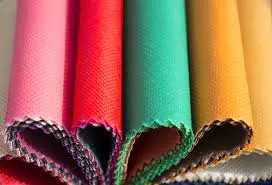
Types of Nonwoven Textile and Their Uses in 2025
Explore the 7 main types of nonwoven textiles, spunbond, meltblown, spunlace, and more. Learn how each type differs in structure, use, and benefits.
-
Recent Post
-
Why Fibre Ratio Can Change Nonwoven Performance Even When GSM Remains Constant
A buyer lines up two spunlace samples. Both are 50 GSM and the price per square metre is close.A buy
20.06.2026
Read Article -
What Should Be Validated Before Moving From a Nonwoven Trial to Commercial Production?
A trial run that performs well doesn't automatically mean you're ready to commit commercial volume.
14.10.2026
Read Article -
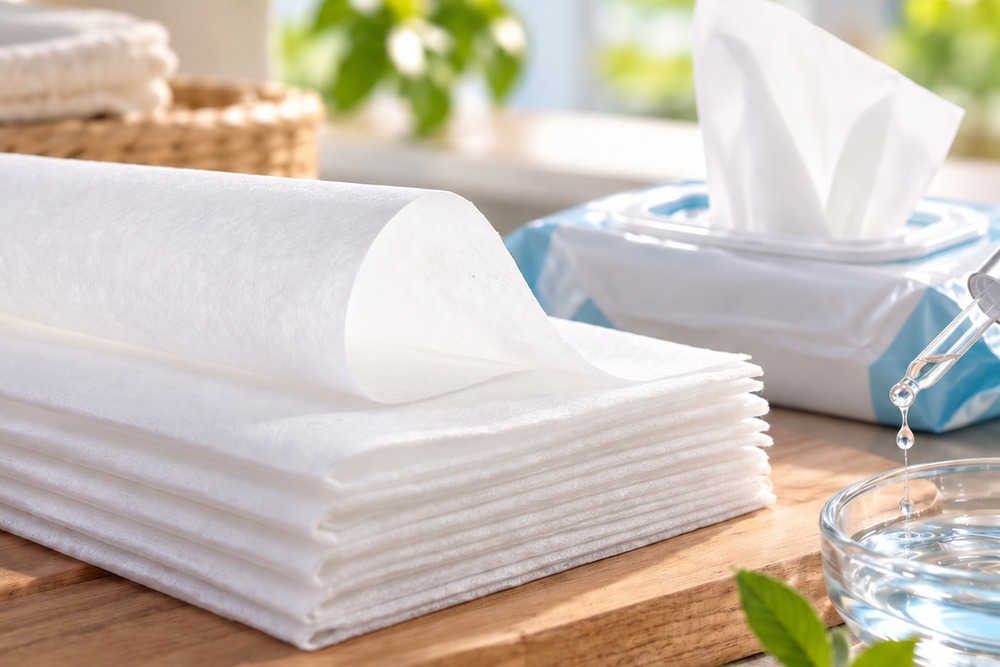
Best GSM For Wet Wipes A Procurement Guide for Choosing the Right Spunlace Fabric
Getting the GSM wrong is one of the most common and most expensive mistakes in wet wipes sourcing.
20.06.2026
Read Article -
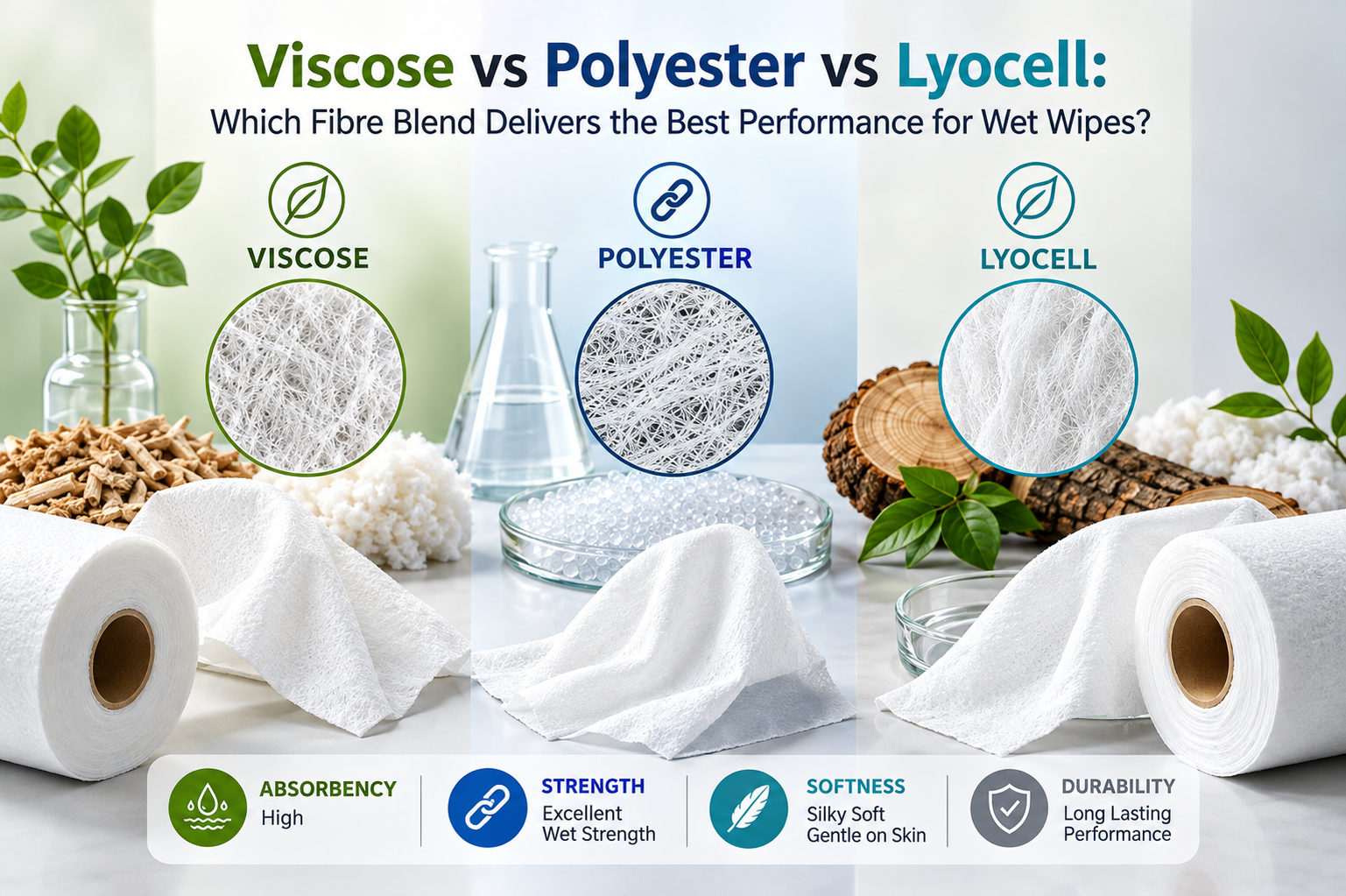
Viscose vs Polyester vs Lyocell: Which Fibre Blend Delivers the Best Performance for Wet Wipes?
Choosing between viscose, polyester, and Lyocell isn't really about picking a "best" fibre. It's abo
22.06.2026
Read Article -
How to Choose the Right Spunlace Nonwoven Fabric Manufacturer for Your Business
Sourcing decisions in the nonwoven category rarely fail because of price. They fail because a buyer
15.09.2026
Read Article -
How Global Wet Wipe Brands Evaluate Nonwoven Fabric Suppliers Before Signing a Contract
Multinational wet wipe brands don't sign with a nonwoven fabric supplier off a single sample and a g
08.09.2026
Read Article - View All Blogs
-
Need nonwoven solutions for your application?
Talk to our team about custom fabrics, sustainability, and product development tailored to your industry.
Frequently Asked Questions
Know everything — be it our products, our process, or why nonwovens are so cool.
What are the most common types of nonwoven fabric?
Common types include spunbond, meltblown, spunlace, needle-punched, airlaid, wet-laid and thermally or chemically bonded nonwovens. Each uses different manufacturing or bonding methods and is suited to particular applications.
What is the difference between spunlace and spunbond nonwoven fabric?
Spunlace fabric is produced by entangling fibres using high-pressure water jets, while spunbond fabric is made by forming continuous filaments into a web and bonding them. Spunlace is widely used in wipes and cleaning products, whereas spunbond is used in hygiene, agriculture and industrial applications.
Which type of nonwoven fabric is best for wipes?
Spunlace nonwoven fabric is commonly used for wipes because it can offer softness, absorbency and suitable strength. The best material depends on the wipe's intended use, fibre composition, lotion formulation and required performance.
What is the difference between meltblown and spunbond fabric?
Spunbond fabric is made from continuous filaments and is commonly selected for strength and lightweight construction. Meltblown fabric uses much finer fibres and is frequently used in filtration media. Their properties depend on the polymer, process and finished material specifications
How does GSM affect nonwoven fabric performance?
GSM measures the mass of fabric per square metre. A higher GSM generally indicates more material per unit area, but it does not automatically mean better strength, softness or absorbency. Fibre type, bonding and fabric structure also affect performance.
How should manufacturers select a nonwoven fabric?
Manufacturers should evaluate the intended application, fibre composition, GSM, tensile strength, absorbency, softness, durability and any applicable testing or regulatory requirements. Samples should be assessed against the relevant technical specifications before commercial selection.
Explore Recent Blogs
Why Fibre Ratio Can Change Nonwoven Performance Even When GSM Remains Constant
A buyer lines up two spunlace samples. Both are 50 GSM and the price per square metre is close.A buy
Read More
What Should Be Validated Before Moving From a Nonwoven Trial to Commercial Production?
A trial run that performs well doesn't automatically mean you're ready to commit commercial volume.
Read More
Best GSM For Wet Wipes A Procurement Guide for Choosing the Right Spunlace Fabric
Getting the GSM wrong is one of the most common and most expensive mistakes in wet wipes sourcing.
Read More
Viscose vs Polyester vs Lyocell: Which Fibre Blend Delivers the Best Performance for Wet Wipes?
Choosing between viscose, polyester, and Lyocell isn't really about picking a "best" fibre. It's abo
Read More

Weave Your Success with Our Revolutionary Fabrics
Power your business with Elixrr's cutting-edge nonwoven fabric solutions. Eco-friendly, customizable, and engineered for excellence—because innovation starts with the right foundation.

Nonwoven fabrics are engineered materials made by bonding or entangling fibres rather than weaving or knitting yarns. Different manufacturing methods produce fabrics with distinct characteristics, including strength, softness, absorbency, filtration performance, and durability.
The main types of nonwoven fabric include spunlace, spunbond, meltblown, needle-punched, airlaid and thermally or chemically bonded materials. Each type serves different performance requirements across hygiene, healthcare, filtration, and industrial applications.
Understanding these differences helps manufacturers and buyers select nonwoven materials based on fibre composition, manufacturing technology, technical specifications, and intended use.
What are the main types of nonwoven textiles?
The main types of nonwoven textiles are spunbond, meltblown, and spunlace fabrics because they dominate the global nonwoven market. These three types account for over 80% of all nonwoven production due to their versatility, strength, and cost efficiency.
What are the other types of nonwoven textile apart from the main three?
Other types of nonwoven textiles include needle-punched, thermal-bonded, airlaid, and chemically bonded textiles. These types serve specific performance needs that the main categories cannot fulfill.
How are nonwoven textiles classified based on bonding methods?
Nonwoven textiles are classified into mechanical, thermal, and chemical bonding types based on how their fibers are joined.
Each bonding method impacts the textile strength, softness, and cost. For example, mechanical bonding enhances flexibility, thermal bonding ensures durability, and chemical bonding provides stability for heavy-duty use.
What are the types of nonwoven textile based on raw materials?
Nonwoven textiles are categorized by synthetic, natural, or blended fibers used in their production.
For instance, bamboo-polyester blended spunlace nonwovens are gaining popularity in Europe’s personal care sector for their softness and biodegradability.
How do the types of nonwoven textiles differ in applications?
Each nonwoven textile type serves distinct applications depending on texture, absorbency, and cost.
The choice of nonwoven type depends on fiber type, bonding strength, and intended end-use.
Which type of nonwoven textile is most used globally?
The spunbond-meltblown-spunbond (SMS) composite textile is the most used nonwoven textile globally. It combines the strength of spunbond layers with the filtration efficiency of meltblown layers, making it the preferred material for medical masks, protective clothing, and hygiene products. The SMS structure ensures breathability, liquid repellency, and barrier protection, making it dominant in healthcare and industrial safety sectors.
Summary
There are seven main types of nonwoven textiles spunbond, meltblown, spunlace, needle-punched, thermal-bonded, airlaid, and chemically bonded each offering distinct performance benefits.
Spunbond and meltblown dominate due to strength and filtration capacity, while spunlace excels in softness. Advanced composites like SMS and SMMS nonwovens are shaping the future of medical and hygiene applications. As global demand rises for biodegradable and sustainable nonwovens, natural fiber blends and recyclable PP nonwovens are expected to lead innovation in 2025 and beyond.