The textile industry has embraced heat pressing. Adding colourful graphics to cloth banners or personalising tote bags is a simple, effective, and expert technique. The answer to the question, "Can you heat press non-woven fabric?" isn't as simple as "yes" or "no."
Non-woven textiles are distinctive and are utilised in packaging, protection clothing, and tote bags. Their structure presents difficulties for heat-based applications since it is created by connecting fibres without weaving. But don’t worry! This guide covers everything you need to know about heat pressing non-woven fabric, from the best techniques to essential tools and expert tips.
What is Heat Pressed Fabric and What Is Non-Woven Fabric?
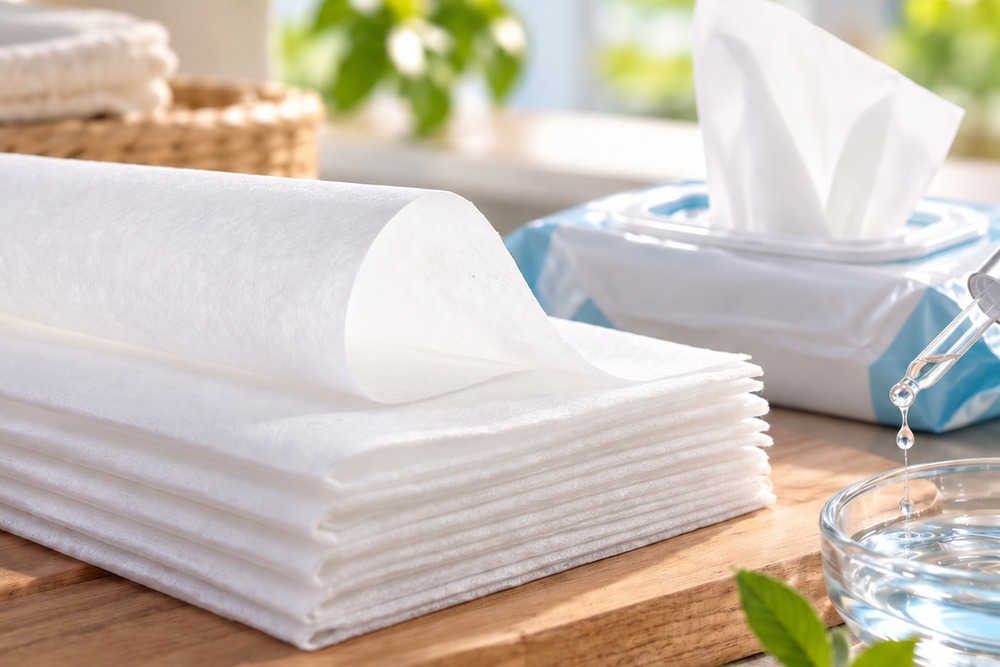
Non-woven fabrics are different from traditional textiles. These materials are made by glueing fibres together using heat, chemicals, or mechanical methods rather than weaving or knitting. They are lightweight, adaptable, and ideal for both reusable and disposable objects because of their structure.
Why Is Non-Woven Fabric Heat Pressed?
Customisation that stands out is made possible via non woven fabric heat pressing. Heat pressing on non-woven cloth provides the following benefits, from customising promotional items to adding logos to tote bags:
- Durability: Compared to conventional printing, designs endure longer.
- Professional Finish: Results from heat pressing are clear and colourful.
- Numerous Uses: Perfect for banners, purses, and ornaments.
The question is not just "can non-woven fabric be heat pressed," but also "why," if you're considering adorning non-wovens.
Can Heat Pressing Techniques be Applied to Non-Woven Fabric?
The short answer is yes—but with a few conditions. Not all non-woven fabrics are created equal, and some are better suited for heat pressing than others.
Factors that Influence Heat Pressing Process
Material Composition
- Polypropylene non-wovens as well as polyester non-wovens have a higher heat resistance level that makes them more appropriate and suitable for processes involving pressing.
- These incorporate fragile nonwovens that may not be suitable and most commonly utilize materials common in manufacturing medical masks.
Thickness
Thicker non-woven fabrics can better withstand heat, while thinner ones risk warping or melting.
Heat Sensitivity
Every type of fabric has its tolerance to heat. This is the most fundamental principle, which makes it very important in answering the question: "Can you iron non woven fabric without causing damage?”
Equipment for Non-Woven Fabric Heat Pressing
1. Heat Press Machines
A regular heat press machine or a dependable non woven fabric heat press may complete the task. Seek for devices with programmable pressure and temperature settings.
2. Accessories for Heat Presses
Sheets of Teflon:
To keep the cloth from burning, avoid direct heat contact.
Pressing pillows:
Make sure the surface is under constant pressure.
When it comes to getting the ideal finish on non-woven materials, the correct equipment are crucial.
Ideal temperature of heat press for non-woven fabric
There is no one-temperature-fits-all affair in heat pressing non-woven fabric. Start low, and then build up to avoid damaging it.
General Guidelines:
- Polypropylene non-woven fabric: 250–300°F.
- Polyester non-woven fabric: 280–320°F.
Finding the ideal temperature for polyester or polypropylene non-woven materials often requires trial and error. That said, before you start experimenting with heat, a patch test is necessary.
How to Heat Press Non-Woven Fabric: Step-by-Step Guide
Prepare the Fabric
- Ensure the non-woven material is clean and smooth.
Set the Heat Press Machine
- Adjust the temperature based on the fabric type.
Protect the Fabric
- Place a Teflon sheet over the non-woven fabric.
Position Your Design
- Align the transfer or vinyl design properly.
Apply Heat
- Lower the press, applying firm but even pressure for 10–15 seconds.
Cool Down
- Allow the fabric to cool before peeling off the design.
Heat pressing non-woven fabric can be straightforward, but following these steps ensures consistent results.
Can Non-Woven Fabric Be Heat Pressed Safely?
Yes, but safety comes first. Improper settings can lead to burnt fabric or warped designs.
Top Tips for Safe Heat Pressing
- Always use protective layers like Teflon sheets.
- Avoid high-pressure settings that may crush the material.
- Never exceed the recommended temperature for the fabric type.
Common Mistakes to Avoid When Heat Pressing Non-Woven Fabric
Even pros falter, and the prospective mistakes listed here will save you some time and frustration:
- First of all, always test a small piece first in order to ensure that the fabric can cope with the heat.
- Overheating the Fabric: Non-wovens melt easily, so follow low temperatures.
- Applying Excessive Pressure:Too much pressure will wring out the fabric and then destroy your design.
- Neglecting the Right Tools: Don't neglect. Teflon sheets are a must. So are pressing pillows.
Alternatives to Heat Pressing for Non-Woven Fabrics
Heat pressing is not the only option to personalise nonwovens. A heat sealing machine for nonwoven fabric may be more appropriate for industrial applications. This is perfect for sealing edges or forming strong connections in materials such as geotextiles.
Other design choices include adhesive bonding or screen printing, however they may not be as durable or precise as non woven fabric heat press is.
Conclusion
So, can you heat press non-woven fabric? There are a few restrictions, but the answer is definitely yes. When heat-pressed carefully, non-woven textiles, particularly those composed of polyester and polypropylene, react favourably.
Selecting the proper tools, applying the right temperatures, and adhering to safety regulations are crucial whether you're making banners, personalising tote bags, or experimenting with industrial applications.
Always begin with a patch test, cover your cloth with a Teflon sheet, and maintain a low temperature for a perfect finish. Heat pressing is expected to become even more adaptable because of advancements in non-woven materials.
Remember that a little heat goes a long way, so venture forth into the realm of non-woven materials with confidence and let your creativity run wild!
Whether it's custom designs or industrial applications, Elixrr Nonwovens delivers excellence every time. Contact us today for all kinds of projects!
Frequently Asked Questions
Can you heat press non-woven fabric in bulk production?
Yes, certain types of non-woven fabric, like polypropylene and polyester, can be heat pressed in bulk. For industrial-scale projects, using non woven fabric heat press or heat sealing machine for non woven fabric ensures consistent quality while speeding up production.
2. What’s the best way to test if a non-woven fabric is heat press-friendly?
The best method is a patch test:
- Cut a small piece of the fabric.
- Use the lowest recommended temperature on your heat press.
- Gradually increase heat until the material responds without melting.
This ensures you identify the best heat press temperature for polyester non woven fabric or similar materials.
3. Can I heat press non-woven fabric with glitter vinyl or complex designs?
Yes, non-woven fabric can handle glitter or patterned vinyl, but the pressing time should be carefully monitored. Use a Teflon sheet for protection to avoid vinyl sticking to the press.
4. How does heat pressing affect the waterproof properties of non-woven fabric?
Excessive heat can compromise the waterproof coating of some non-wovens. Use lower temperatures and shorter pressing durations to maintain the fabric’s original properties.
5. Is there a difference between heat pressing and heat sealing for non-woven fabric?
Yes:
- Heat Pressing: Focuses on embedding designs, logos, or patterns onto the fabric.
- Heat Sealing: Joins or bonds non-woven materials, often for industrial applications like geotextiles.
6. What innovations in heat pressing are emerging for non-woven fabric in 2025?
- Smart Heat Press Machines: Equipped with AI to detect optimal temperature and pressure settings automatically.
- Eco-Friendly Vinyl: Made specifically for low-heat applications on delicate fabrics like non-wovens.
7. Can you heat press laminated non-woven fabric?
Laminated non-woven fabric can be heat pressed, but only at very low temperatures to prevent the laminate layer from melting or wrinkling.
8. What’s the safest way to heat press a large design on non-woven fabric?
For large designs, divide the pressing process into sections. Use a heat sealing machine for non woven fabric for better uniformity, or a pressing pillow to ensure even distribution of pressure.
9. Can I reuse heat-pressed non-woven fabric for new designs?
While reusing heat-pressed non-wovens is possible, the fabric may lose its original texture after multiple pressings. Opt for a fresh piece for the best results.
10. How does pressing time impact non-woven fabric durability?
Longer pressing times at higher temperatures can weaken the bonds in non-woven materials. Stick to the recommended pressing duration—usually 10–15 seconds—for optimal results when using a non woven fabric heat press.





The textile industry has embraced heat pressing. Adding colourful graphics to cloth banners or personalising tote bags is a simple, effective, and expert technique. The answer to the question, "Can you heat press non-woven fabric?" isn't as simple as "yes" or "no."
Non-woven textiles are distinctive and are utilised in packaging, protection clothing, and tote bags. Their structure presents difficulties for heat-based applications since it is created by connecting fibres without weaving. But don’t worry! This guide covers everything you need to know about heat pressing non-woven fabric, from the best techniques to essential tools and expert tips.
What is Heat Pressed Fabric and What Is Non-Woven Fabric?
Non-woven fabrics are different from traditional textiles. These materials are made by glueing fibres together using heat, chemicals, or mechanical methods rather than weaving or knitting. They are lightweight, adaptable, and ideal for both reusable and disposable objects because of their structure.
Why Is Non-Woven Fabric Heat Pressed?
Customisation that stands out is made possible via non woven fabric heat pressing. Heat pressing on non-woven cloth provides the following benefits, from customising promotional items to adding logos to tote bags:
The question is not just "can non-woven fabric be heat pressed," but also "why," if you're considering adorning non-wovens.
Can Heat Pressing Techniques be Applied to Non-Woven Fabric?
The short answer is yes—but with a few conditions. Not all non-woven fabrics are created equal, and some are better suited for heat pressing than others.
Factors that Influence Heat Pressing Process
Material Composition
Thickness
Thicker non-woven fabrics can better withstand heat, while thinner ones risk warping or melting.
Heat Sensitivity
Every type of fabric has its tolerance to heat. This is the most fundamental principle, which makes it very important in answering the question: "Can you iron non woven fabric without causing damage?”
Equipment for Non-Woven Fabric Heat Pressing
1. Heat Press Machines
A regular heat press machine or a dependable non woven fabric heat press may complete the task. Seek for devices with programmable pressure and temperature settings.
2. Accessories for Heat Presses
Sheets of Teflon:
To keep the cloth from burning, avoid direct heat contact.
Pressing pillows:
Make sure the surface is under constant pressure.
When it comes to getting the ideal finish on non-woven materials, the correct equipment are crucial.
Ideal temperature of heat press for non-woven fabric
There is no one-temperature-fits-all affair in heat pressing non-woven fabric. Start low, and then build up to avoid damaging it.
General Guidelines:
Finding the ideal temperature for polyester or polypropylene non-woven materials often requires trial and error. That said, before you start experimenting with heat, a patch test is necessary.
How to Heat Press Non-Woven Fabric: Step-by-Step Guide
Prepare the Fabric
Set the Heat Press Machine
Protect the Fabric
Position Your Design
Apply Heat
Cool Down
Heat pressing non-woven fabric can be straightforward, but following these steps ensures consistent results.
Can Non-Woven Fabric Be Heat Pressed Safely?
Yes, but safety comes first. Improper settings can lead to burnt fabric or warped designs.
Top Tips for Safe Heat Pressing
Common Mistakes to Avoid When Heat Pressing Non-Woven Fabric
Even pros falter, and the prospective mistakes listed here will save you some time and frustration:
Alternatives to Heat Pressing for Non-Woven Fabrics
Heat pressing is not the only option to personalise nonwovens. A heat sealing machine for nonwoven fabric may be more appropriate for industrial applications. This is perfect for sealing edges or forming strong connections in materials such as geotextiles.
Other design choices include adhesive bonding or screen printing, however they may not be as durable or precise as non woven fabric heat press is.
Conclusion
So, can you heat press non-woven fabric? There are a few restrictions, but the answer is definitely yes. When heat-pressed carefully, non-woven textiles, particularly those composed of polyester and polypropylene, react favourably.
Selecting the proper tools, applying the right temperatures, and adhering to safety regulations are crucial whether you're making banners, personalising tote bags, or experimenting with industrial applications.
Always begin with a patch test, cover your cloth with a Teflon sheet, and maintain a low temperature for a perfect finish. Heat pressing is expected to become even more adaptable because of advancements in non-woven materials.
Remember that a little heat goes a long way, so venture forth into the realm of non-woven materials with confidence and let your creativity run wild!
Whether it's custom designs or industrial applications, Elixrr Nonwovens delivers excellence every time. Contact us today for all kinds of projects!
Frequently Asked Questions
Can you heat press non-woven fabric in bulk production?
Yes, certain types of non-woven fabric, like polypropylene and polyester, can be heat pressed in bulk. For industrial-scale projects, using non woven fabric heat press or heat sealing machine for non woven fabric ensures consistent quality while speeding up production.
2. What’s the best way to test if a non-woven fabric is heat press-friendly?
The best method is a patch test:
This ensures you identify the best heat press temperature for polyester non woven fabric or similar materials.
3. Can I heat press non-woven fabric with glitter vinyl or complex designs?
Yes, non-woven fabric can handle glitter or patterned vinyl, but the pressing time should be carefully monitored. Use a Teflon sheet for protection to avoid vinyl sticking to the press.
4. How does heat pressing affect the waterproof properties of non-woven fabric?
Excessive heat can compromise the waterproof coating of some non-wovens. Use lower temperatures and shorter pressing durations to maintain the fabric’s original properties.
5. Is there a difference between heat pressing and heat sealing for non-woven fabric?
Yes:
6. What innovations in heat pressing are emerging for non-woven fabric in 2025?
7. Can you heat press laminated non-woven fabric?
Laminated non-woven fabric can be heat pressed, but only at very low temperatures to prevent the laminate layer from melting or wrinkling.
8. What’s the safest way to heat press a large design on non-woven fabric?
For large designs, divide the pressing process into sections. Use a heat sealing machine for non woven fabric for better uniformity, or a pressing pillow to ensure even distribution of pressure.
9. Can I reuse heat-pressed non-woven fabric for new designs?
While reusing heat-pressed non-wovens is possible, the fabric may lose its original texture after multiple pressings. Opt for a fresh piece for the best results.
10. How does pressing time impact non-woven fabric durability?
Longer pressing times at higher temperatures can weaken the bonds in non-woven materials. Stick to the recommended pressing duration—usually 10–15 seconds—for optimal results when using a non woven fabric heat press.