



Reinventing Wipes: How Sustainable Nonwovens Are Reshaping the Industry
Elixrr explores how next-generation sustainable nonwovens, from wet-laid spunlace to carded-pulp technologies, are driving a revolution in the wipes industry amid new regulations and sustainability demands.
-
Recent Post
-
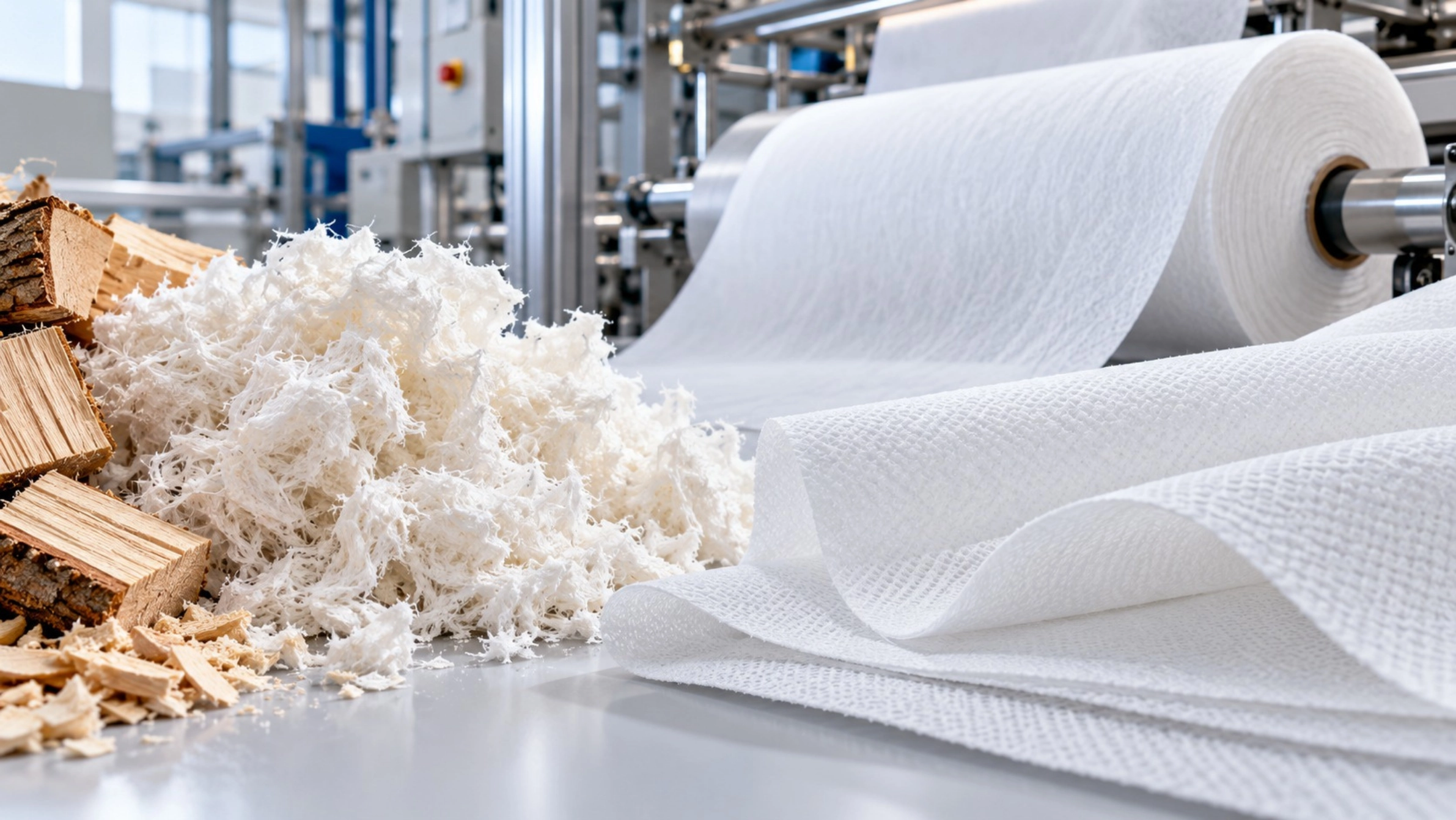
How Wood Pulp Content Affects Wipe Absorbency, Strength and Texture
A cleaning wipe looks like a plain sheet of fabric, but what it’s made from decides how it behave
11.11.2026
Read Article -
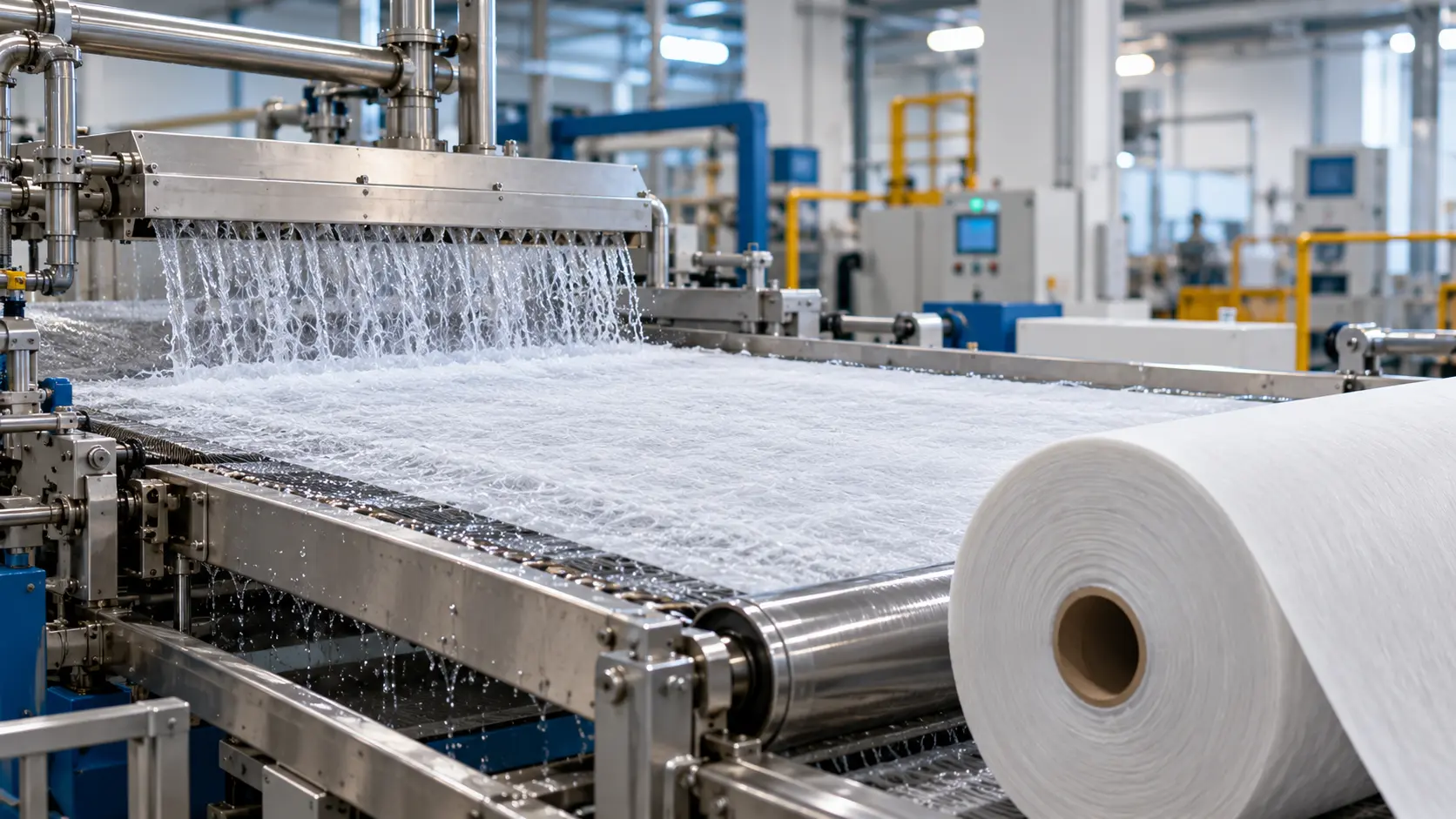
What Is Wetlaid Nonwoven Fabric? Process & Uses
Wetlaid nonwoven fabric is an engineered material manufactured by dispersing fibres in water to crea
03.11.2026
Read Article -
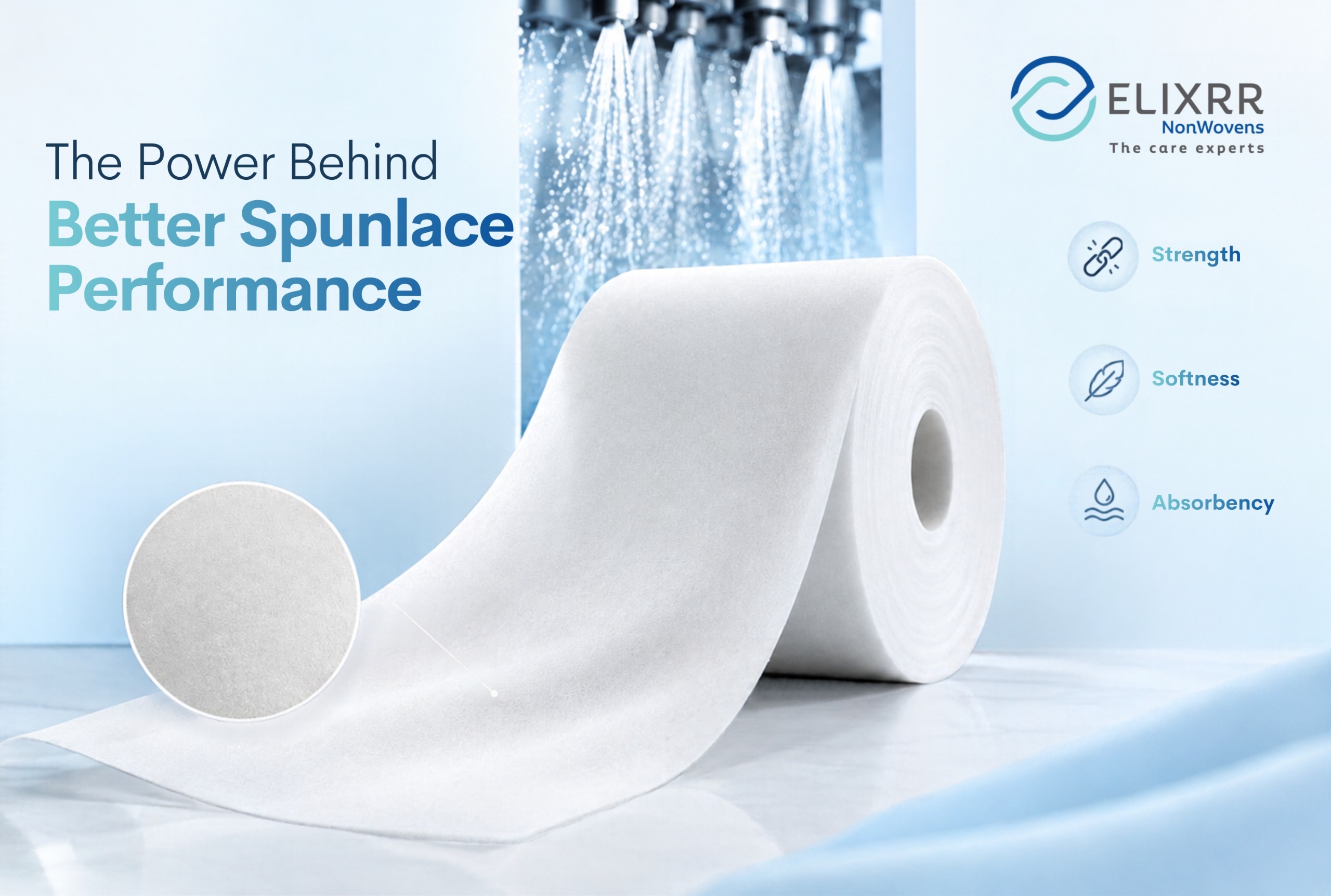
How Hydroentanglement Energy Changes Spunlace Strength, Softness, and Absorbency
Ask a spunlace producer what makes one fabric stronger than another and fibre choice usually comes
28.10.2026
Read Article -
Why Fibre Ratio Can Change Nonwoven Performance Even When GSM Remains Constant
A buyer lines up two spunlace samples. Both are 50 GSM and the price per square metre is close.A buy
20.06.2026
Read Article -
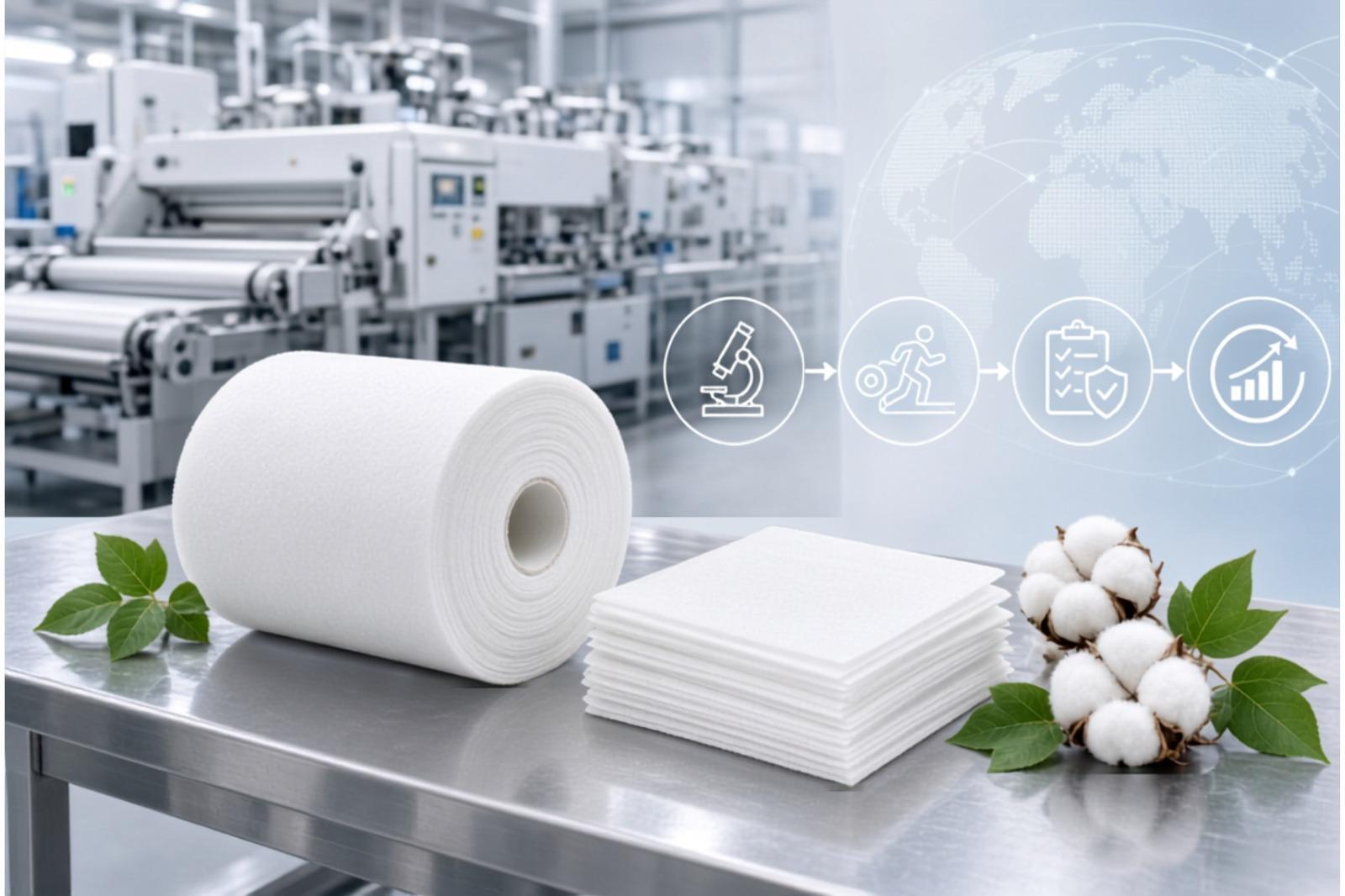
What Should Be Validated Before Moving From a Nonwoven Trial to Commercial Production?
A trial run that performs well doesn't automatically mean you're ready to commit commercial volume.
14.10.2026
Read Article -
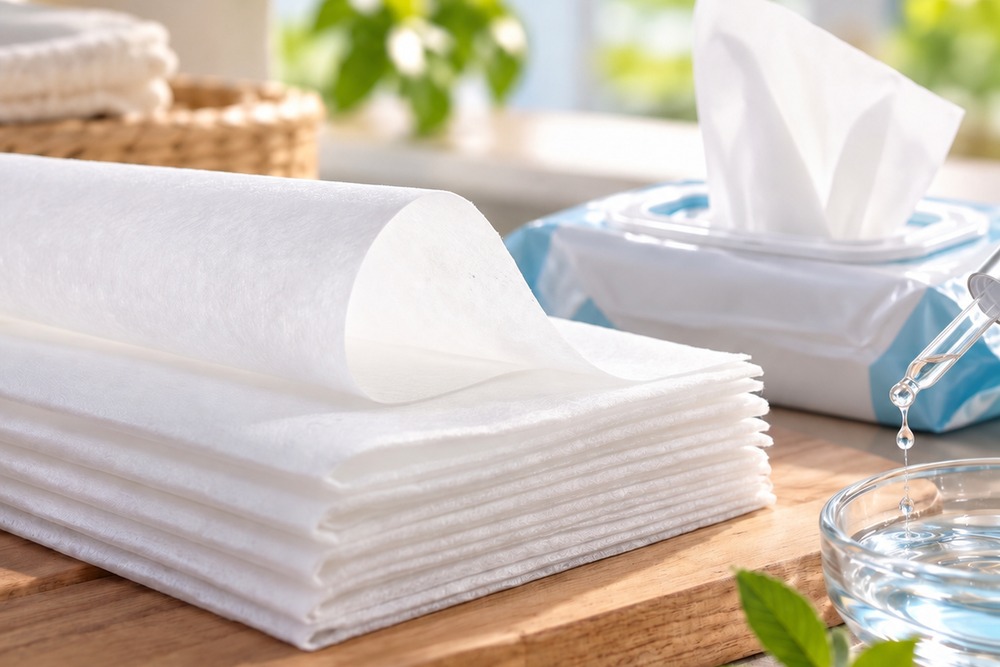
Best GSM For Wet Wipes A Procurement Guide for Choosing the Right Spunlace Fabric
Getting the GSM wrong is one of the most common and most expensive mistakes in wet wipes sourcing.
20.06.2026
Read Article - View All Blogs
-
Need nonwoven solutions for your application?
Talk to our team about custom fabrics, sustainability, and product development tailored to your industry.
Explore Recent Blogs
How Wood Pulp Content Affects Wipe Absorbency, Strength and Texture
A cleaning wipe looks like a plain sheet of fabric, but what it’s made from decides how it behave
Read More
What Is Wetlaid Nonwoven Fabric? Process & Uses
Wetlaid nonwoven fabric is an engineered material manufactured by dispersing fibres in water to crea
Read More
How Hydroentanglement Energy Changes Spunlace Strength, Softness, and Absorbency
Ask a spunlace producer what makes one fabric stronger than another and fibre choice usually comes
Read More
Why Fibre Ratio Can Change Nonwoven Performance Even When GSM Remains Constant
A buyer lines up two spunlace samples. Both are 50 GSM and the price per square metre is close.A buy
Read More

Weave Your Success with Our Revolutionary Fabrics
Power your business with Elixrr's cutting-edge nonwoven fabric solutions. Eco-friendly, customizable, and engineered for excellence—because innovation starts with the right foundation.

The global wipes sector stands at an inflexion point, one where sustainability, regulation, and material innovation are rewriting the rules. As Elixrr, a company pioneering sustainable product development and advanced materials, we view this not as a disruption but as an opportunity for reinvention.
Across the industry, a clear shift is underway: synthetic fibres are being phased out, while pulp-based and biodegradable materials are becoming the new standard. The wipes category is entering its most crucial transition since its inception, and the innovators who adapt early will define the next decade.
Regulation and Responsibility: The New Industry Baseline
Recent regulations across major markets are changing how brands approach material design. Wipes containing synthetic fibres must now carry “contains plastic” warnings, forcing manufacturers to rethink not just raw materials, but also messaging, packaging, and disposal guidelines.
Consumers today are informed, vocal, and unwilling to compromise on their expectations. They want authentic sustainability, products that feel good to use, are safe for the environment, and are backed by verifiable transparency.
At Elixrr, we view this as the creation of a new industry standard, one where sustainability is not just a marketing claim, but a design principle. Our focus is on integrating eco-consciousness into every stage of production, from fibre sourcing to process efficiency and end-of-life impact.
The Material Evolution: WLS vs. Carded-Pulp (CP)
Wet-Laid Spunlace (WLS)
Carded-Pulp (CP / CPC)
Both rely on hydroentanglement, which involves high-pressure water jets that mechanically bind fibres, eliminating the need for plastic binders. This creates stronger, purer, and more biodegradable nonwovens.
Elixrr believes the future won’t be defined by one “winning” technology, but by a spectrum of hybrid solutions, tailored for each use case, from baby care to household and industrial applications.
Economics and Scale: The Reality of Reinvention
Transitioning from polyester and polypropylene to pulp-based substrates is as much a technical challenge as it is a business one. Many sustainable blends already use 50–80% pulp, but large-scale adoption depends on managing costs, yield, and efficiency.
Elixrr’s focus is on building a balance between economic scalability and environmental responsibility through five key levers:
The companies that master this balance will not only meet regulatory requirements but also lead the market with superior, sustainable performance.
The Stakeholder Playbook
For Brand Owners
Opportunity: Redefine consumer trust with genuinely plastic-free wipes.
Risk: Poor user experience can undermine sustainability claims.
Elixrr Tip: Combine eco-certifications with sensory and functional validation.
For Manufacturers
Opportunity: First movers in WLS and CP technology can secure a long-term competitive advantage.
Risk: Overdependence on unproven processes or single-source suppliers.
Elixrr Tip: Invest in pilot-scale experimentation and diversified equipment partnerships.
For Investors
Opportunity: High ROI potential in sustainability-driven conversions.
Risk: Process instability and uncertain consumer adoption timelines.
Elixrr Tip: Back platforms with pilot data, proven scalability, and defensible intellectual property.
Elixrr’s Roadmap: Engineering the Future of Wipes
At Elixrr, our mission is to help transform how the world designs and manufactures wipes. We’re doing that through four strategic pillars:
We’re not waiting for compliance deadlines; we’re driving the shift toward a circular, transparent, and high-performance future.
Key Takeaways
Q1. What is Wet-Laid Spunlace (WLS)?
A production method that combines paper-style fibre deposition with high-pressure water jets, creating soft, strong, and binder-free nonwovens.
Q2. Why is the industry moving away from synthetic fibres?
Synthetic fibres increase landfill persistence and face growing regulatory and consumer resistance. Biodegradable alternatives align with both compliance and brand sustainability goals.
Q3. How soon will sustainable wipes become mainstream?
Broad adoption is expected within three to five years, as costs stabilise and infrastructure catches up with demand.
Q4. How is Elixrr contributing to this shift?
Through continuous R&D, pilot manufacturing, and lifecycle testing to help brands and manufacturers make the sustainable transition with confidence.