


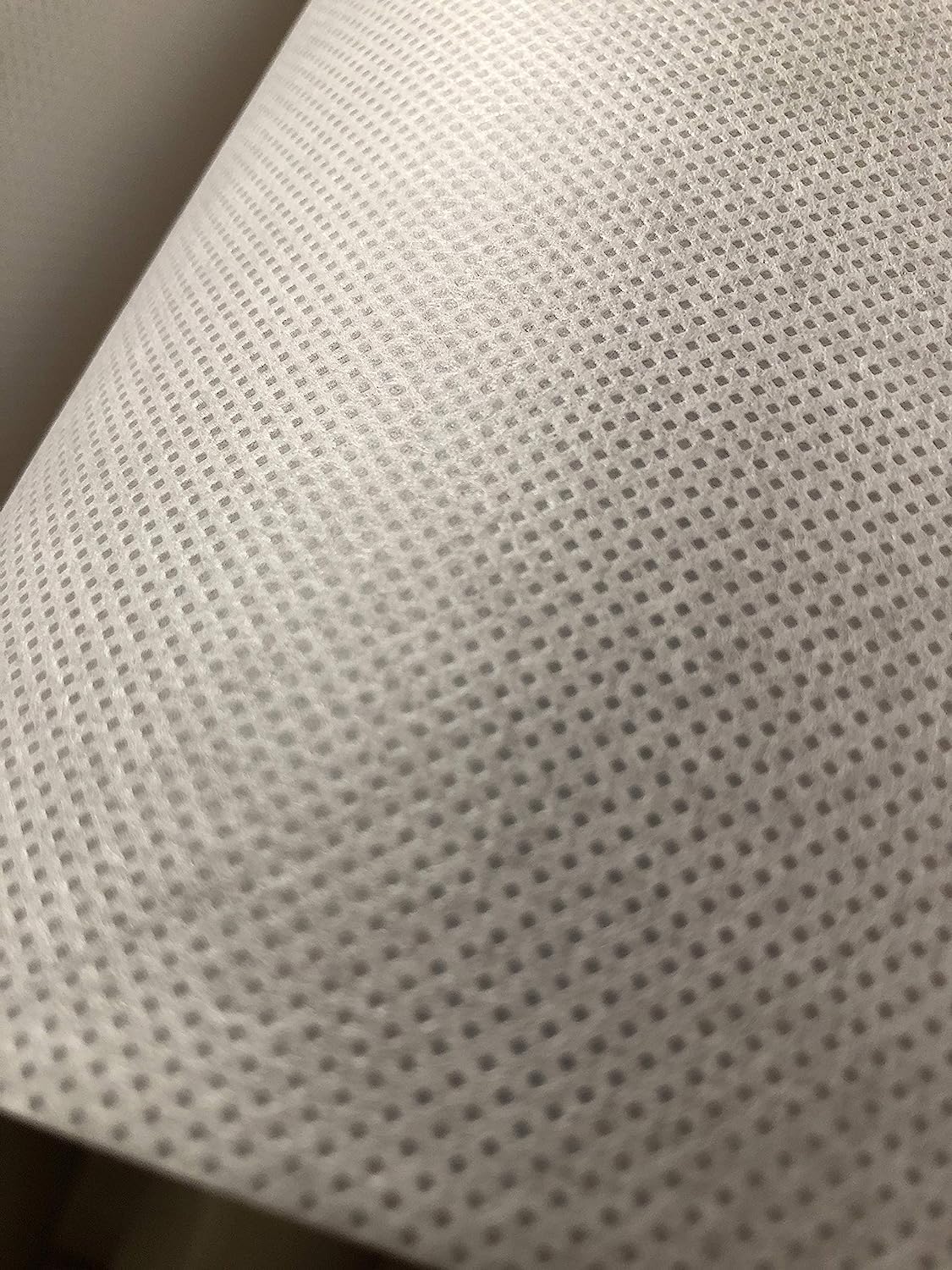
Non Woven vs Woven Fabrics: Key Differences & When to Use Each
Non Woven vs Woven Fabrics: Key Differences & When to Use Each
-
Recent Post
-
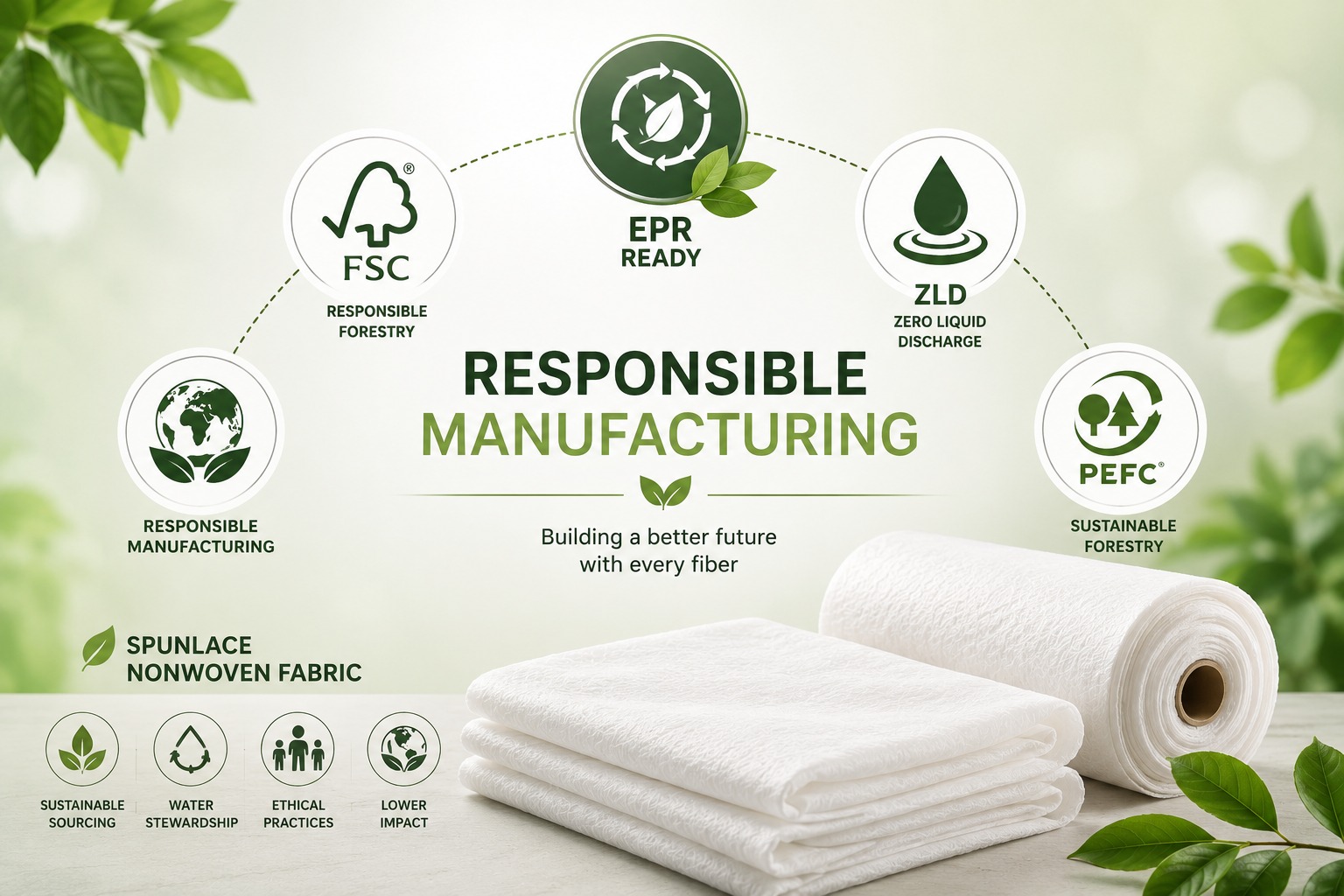
Beyond the Material: What Global Buyers Should Know About Responsible Nonwoven Manufacturing
Responsible nonwoven manufacturing enables global buyers to meet ESG goals through ZLD, FSC and PEFC
22.07.2026
Read Article -
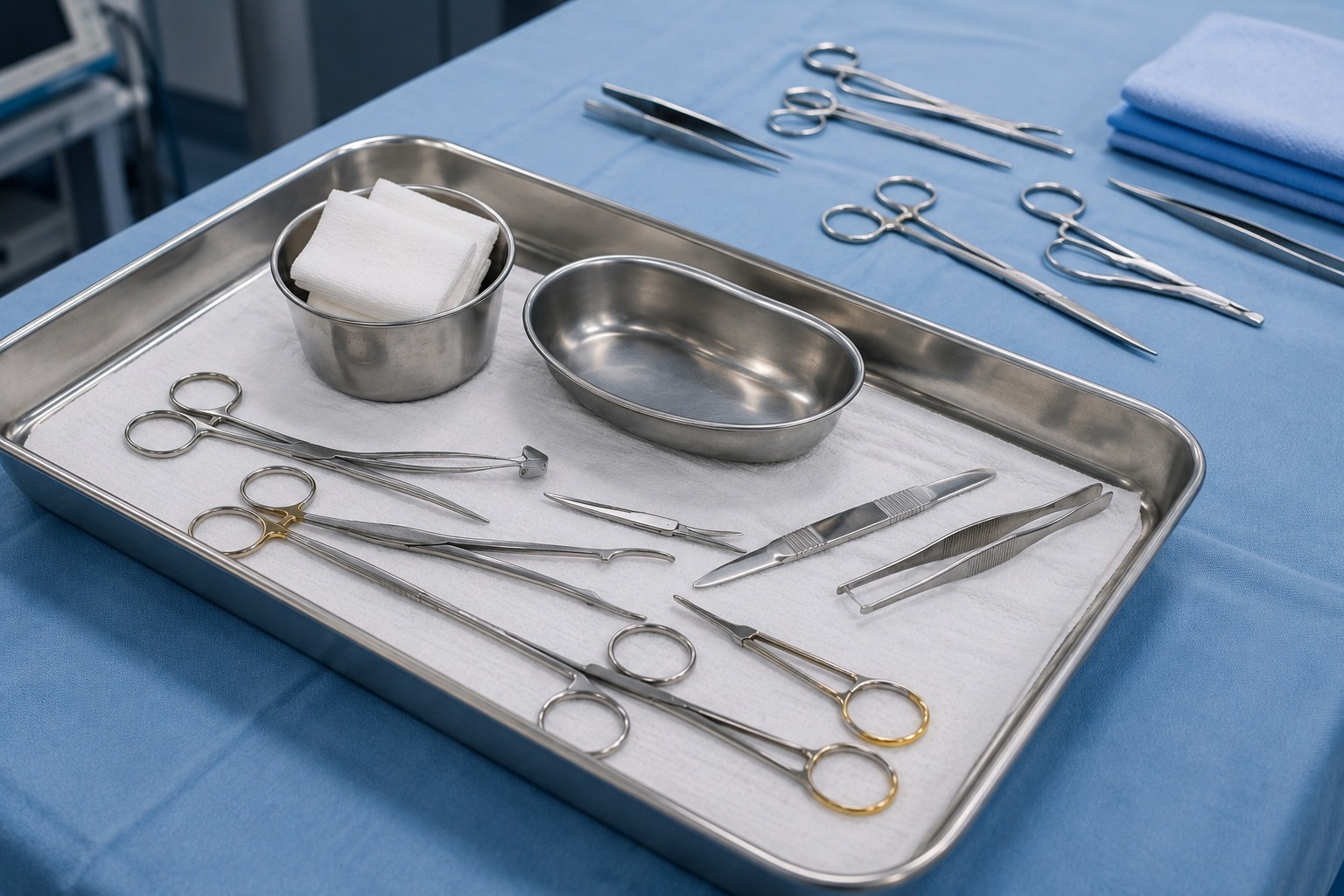
Medical Nonwovens in 2026: What Global Healthcare Buyers Should Prioritise
Learn what global healthcare buyers should prioritise when sourcing medical spunlace nonwovens in 20
15.07.2026
Read Article -
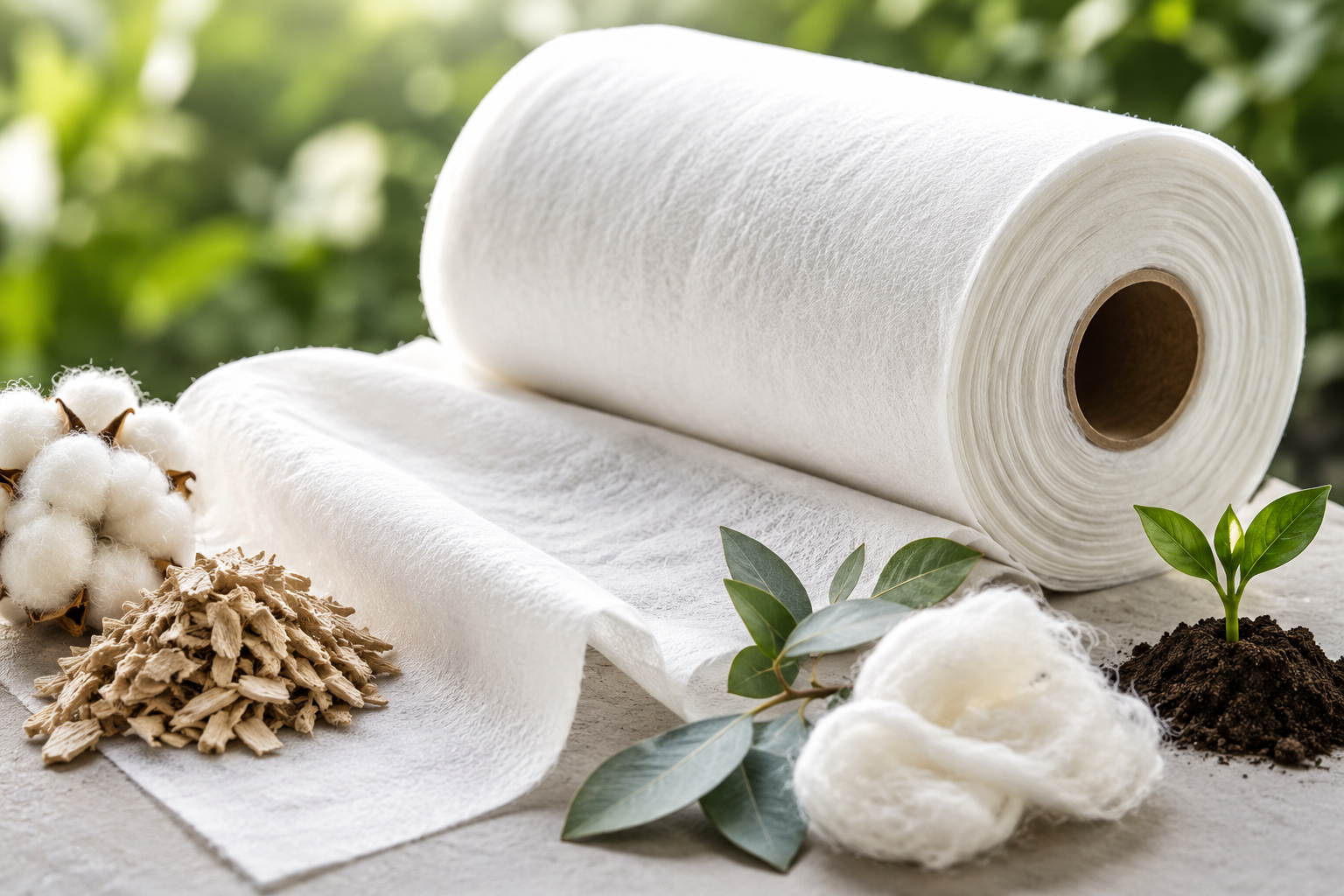
Sustainable Nonwoven Fabric: Are Nonwovens Eco-Friendly?
Discover whether sustainable nonwoven fabric is truly eco-friendly, biodegradable, and recyclable. T
07.07.2026
Read Article -
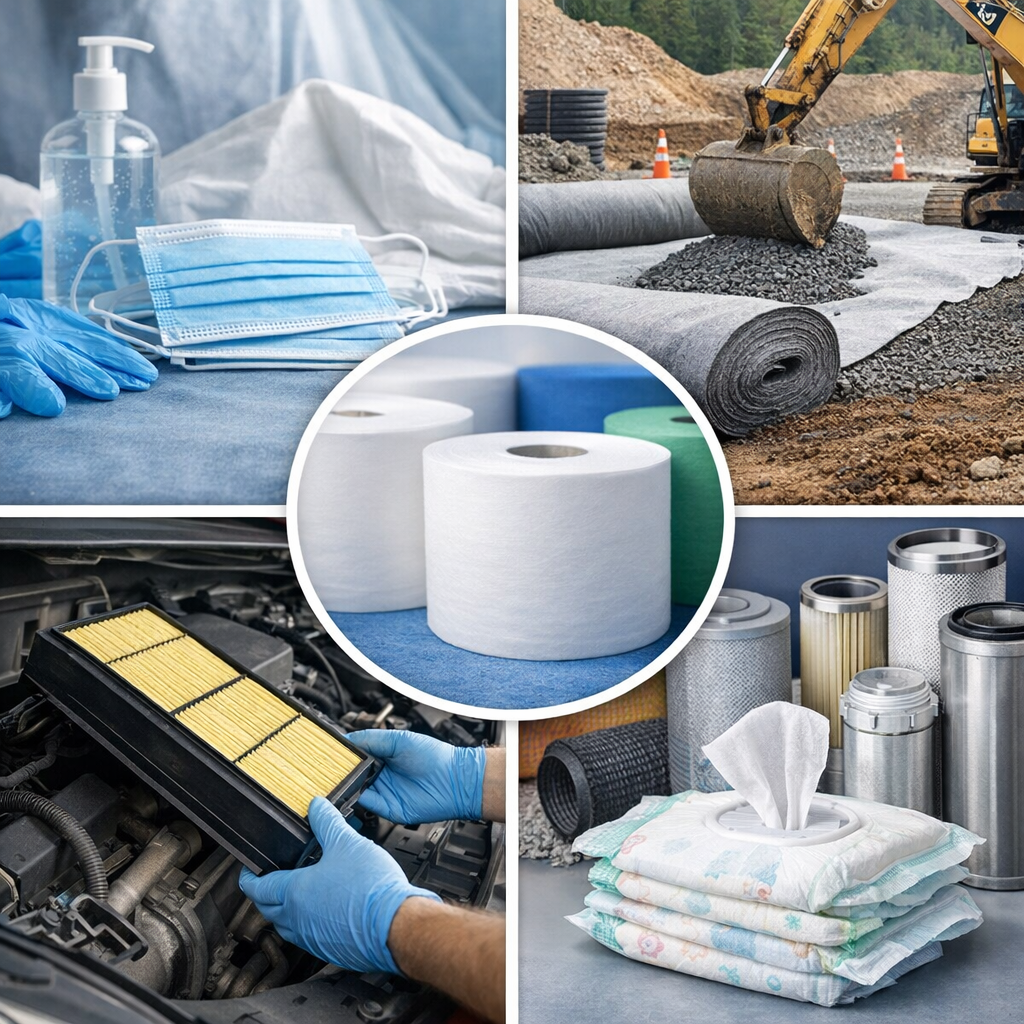
Non Woven Fabric Textile Applications Across Industries: Comprehensive Use Cases
Nonwoven fabrics are widely used across industries for their versatility, cost-effectiveness, and ta
20.06.2026
Read Article -
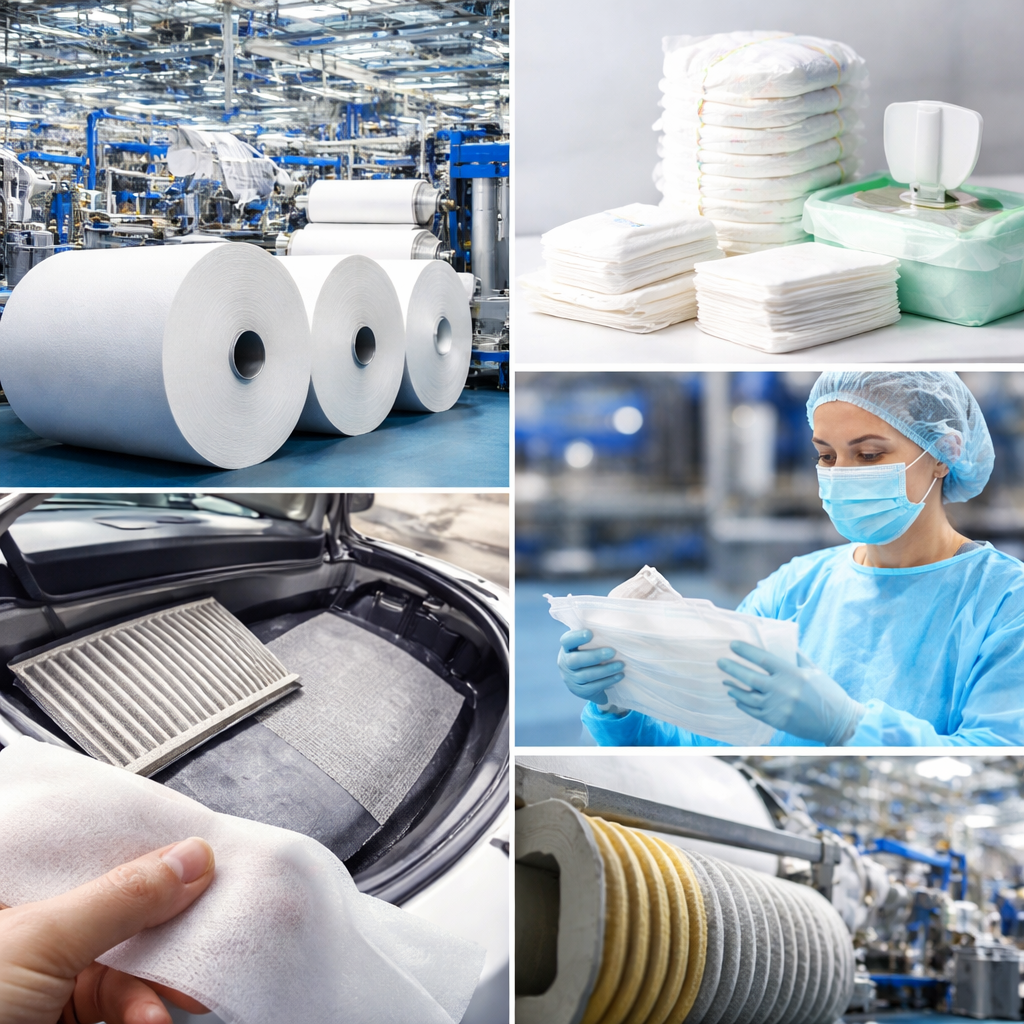
Global Nonwoven Market Trends and Growth Opportunities: 2026 Outlook
The global nonwoven market is expanding rapidly due to strong demand from hygiene, medical, filtrati
20.06.2026
Read Article -
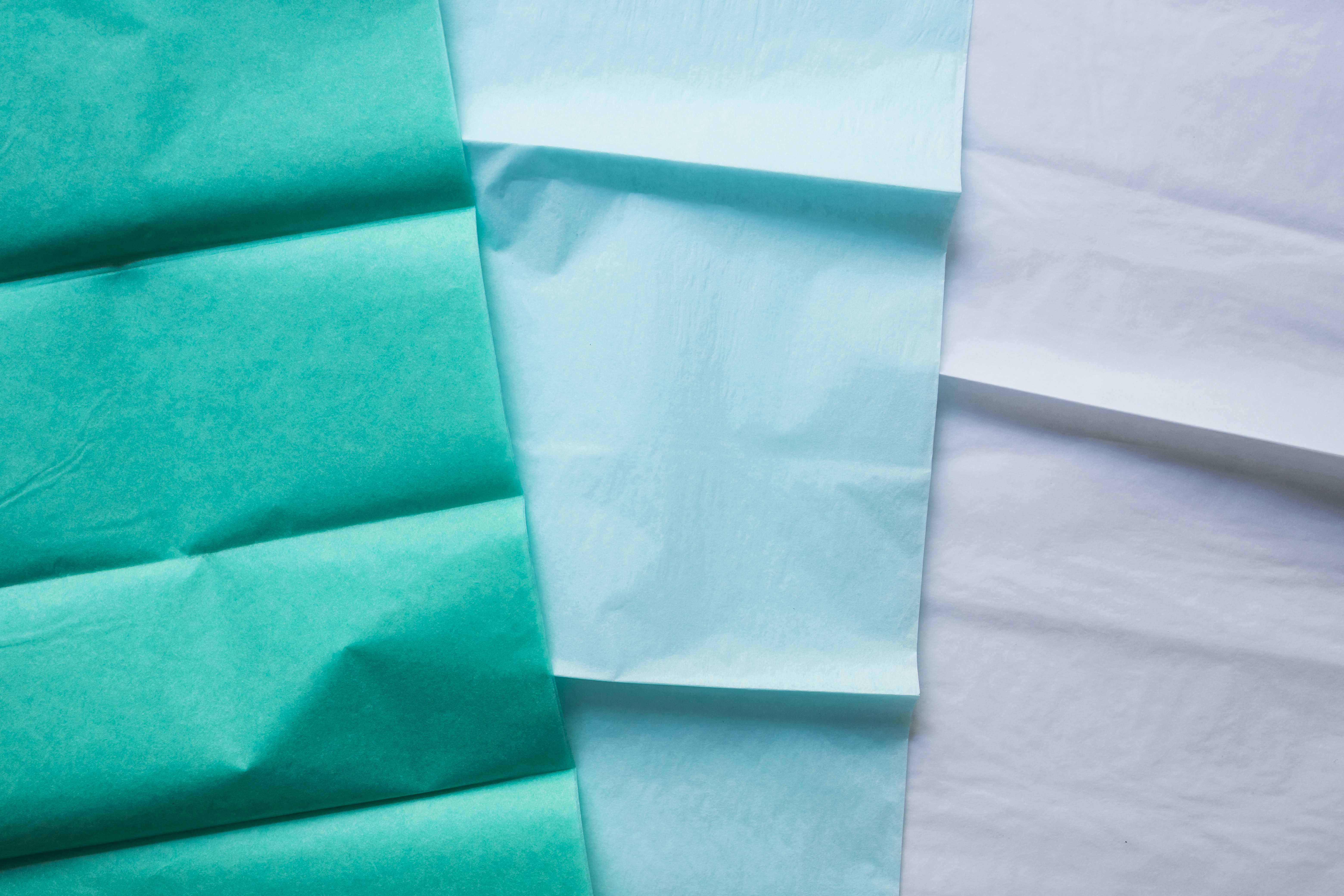
Difference Between Woven and Non-Woven Fabrics: Key Structural, Performance, and Application Differences
Woven and non-woven fabrics differ in how they are made, how they perform, and where they are used.
05.03.2026
Read Article - View All Blogs
-
Need nonwoven solutions for your application?
Talk to our team about custom fabrics, sustainability, and product development tailored to your industry.
Explore Recent Blogs
Beyond the Material: What Global Buyers Should Know About Responsible Nonwoven Manufacturing
Responsible nonwoven manufacturing enables global buyers to meet ESG goals through ZLD, FSC and PEFC
Read More
Medical Nonwovens in 2026: What Global Healthcare Buyers Should Prioritise
Learn what global healthcare buyers should prioritise when sourcing medical spunlace nonwovens in 20
Read More
Sustainable Nonwoven Fabric: Are Nonwovens Eco-Friendly?
Discover whether sustainable nonwoven fabric is truly eco-friendly, biodegradable, and recyclable. T
Read More
Non Woven Fabric Textile Applications Across Industries: Comprehensive Use Cases
Nonwoven fabrics are widely used across industries for their versatility, cost-effectiveness, and ta
Read More

Weave Your Success with Our Revolutionary Fabrics
Power your business with Elixrr's cutting-edge nonwoven fabric solutions. Eco-friendly, customizable, and engineered for excellence—because innovation starts with the right foundation.

Fabric is at the heart of everything we wear, use, or even throw away. From the clothes in your wardrobe to the shopping bags you carry, the type of fabric determines durability, comfort, and cost. Two commonly compared categories are woven fabrics and non woven fabrics. While they may sound similar, the way they’re made and the way they perform are very different.
Let’s break it down.
What Are Woven Fabrics?
Woven fabrics are made by interlacing two sets of yarns – warp (lengthwise) and weft (crosswise) – on a loom. This weaving technique creates a crisscross pattern, giving the fabric strength and structure.
Examples of woven fabrics: cotton, denim, satin, linen, polyester blends.
Key characteristics of woven fabrics:
What Are Non Woven Fabrics?
Non woven fabrics skip the weaving process entirely. Instead, they are made by bonding fibers together using heat, chemicals, or mechanical pressure. Think of them as pressed mats of fibers rather than interlaced threads.
Examples of non woven fabrics: surgical masks, disposable shopping bags, wet wipes, geotextiles, felt.
Key characteristics of non woven fabrics:
Key Differences Between Woven and Non Woven Fabrics
FeatureWoven FabricsNon Woven FabricsProduction MethodInterlaced yarns (warp & weft)Bonded fibers (heat, chemicals, pressure)StrengthHigh, long-lastingModerate, often weakerDurabilityCan last years with careOften designed for single or limited useFlexibilityLimited stretch (unless elastane added)Can be made stiff or flexibleApplicationsClothing, upholstery, bags, curtainsMedical supplies, filters, disposablesCostGenerally higher due to complex productionCheaper, especially in bulkEco-friendlinessDepends on fiber (cotton biodegradable, polyester not)Many recyclable polypropylene options
When to Use Woven Fabrics
Woven fabrics are best when you need:
When to Use Non Woven Fabrics
Non woven fabrics shine when you need:
Which One Should You Choose?
The choice between woven and non woven depends entirely on purpose:
Final Thoughts
Woven and non woven fabrics are not competitors but problem-solvers for different needs. Woven gives you durability and comfort, while non woven offers versatility, low cost, and disposability. By understanding the strengths of each, you can make smarter choices in clothing, packaging, healthcare, or industrial use.