


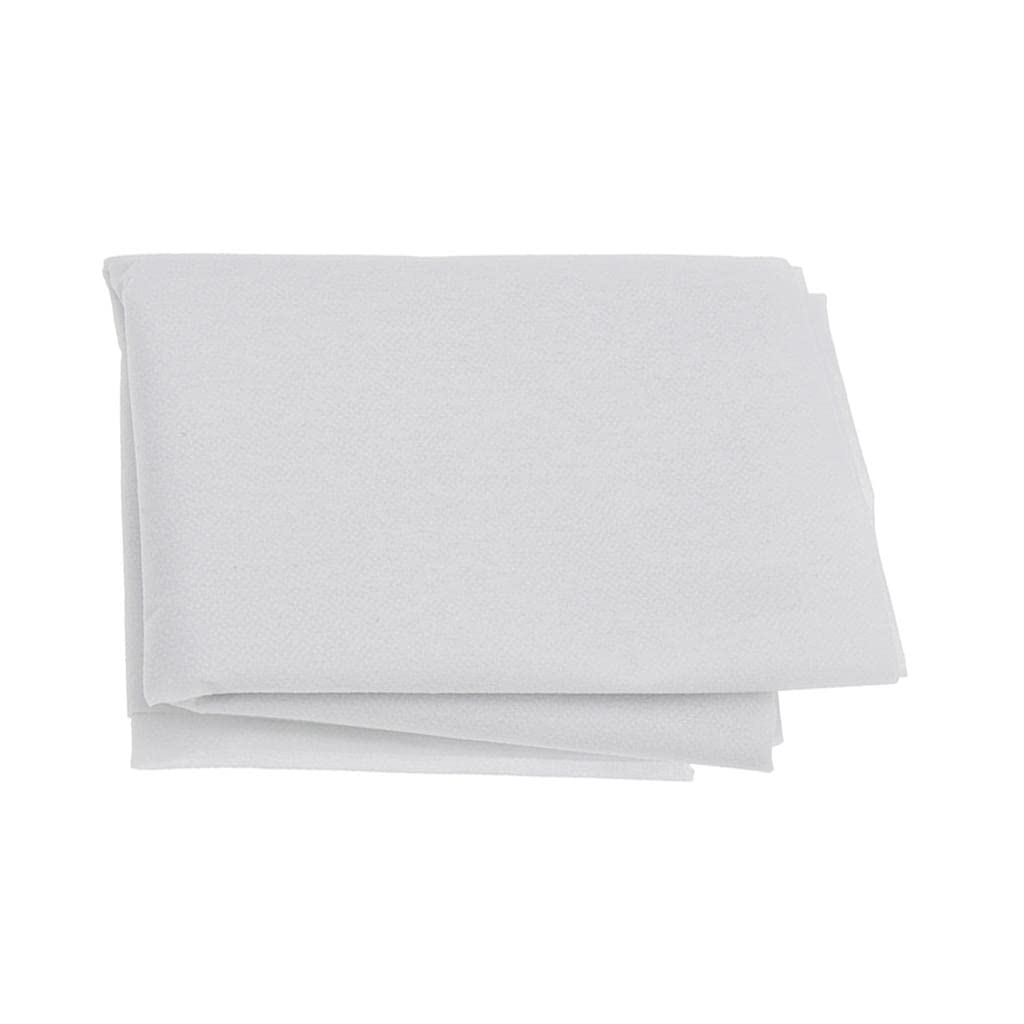
What Is Knitted Woven Fabric? Types, Techniques & Benefits
Knitted woven fabric is a hybrid textile that blends the structural strength of woven fabrics with the elasticity and softness of knitted fabrics.
-
Recent Post
-
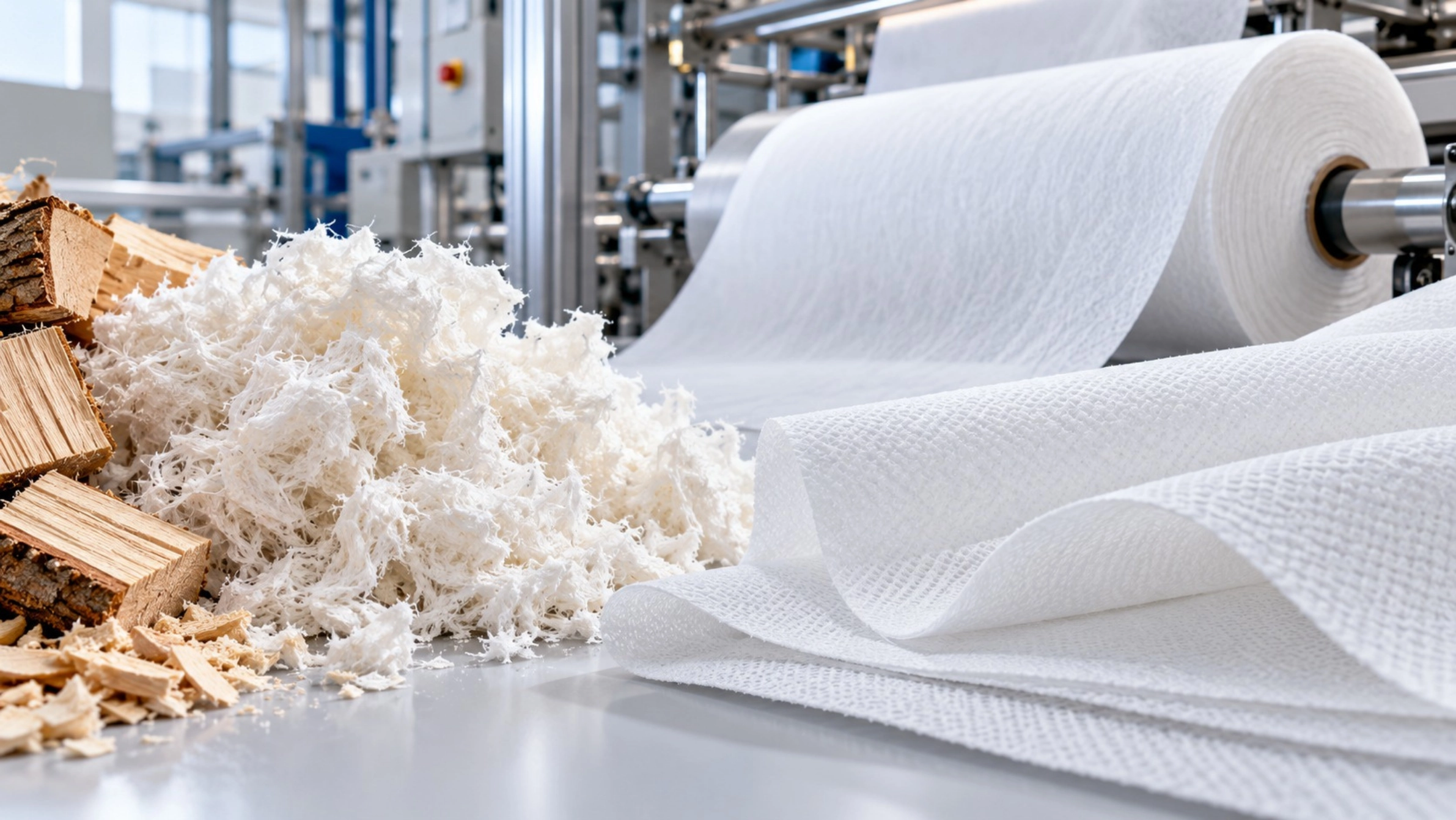
How Wood Pulp Content Affects Wipe Absorbency, Strength and Texture
A cleaning wipe looks like a plain sheet of fabric, but what it’s made from decides how it behave
11.11.2026
Read Article -
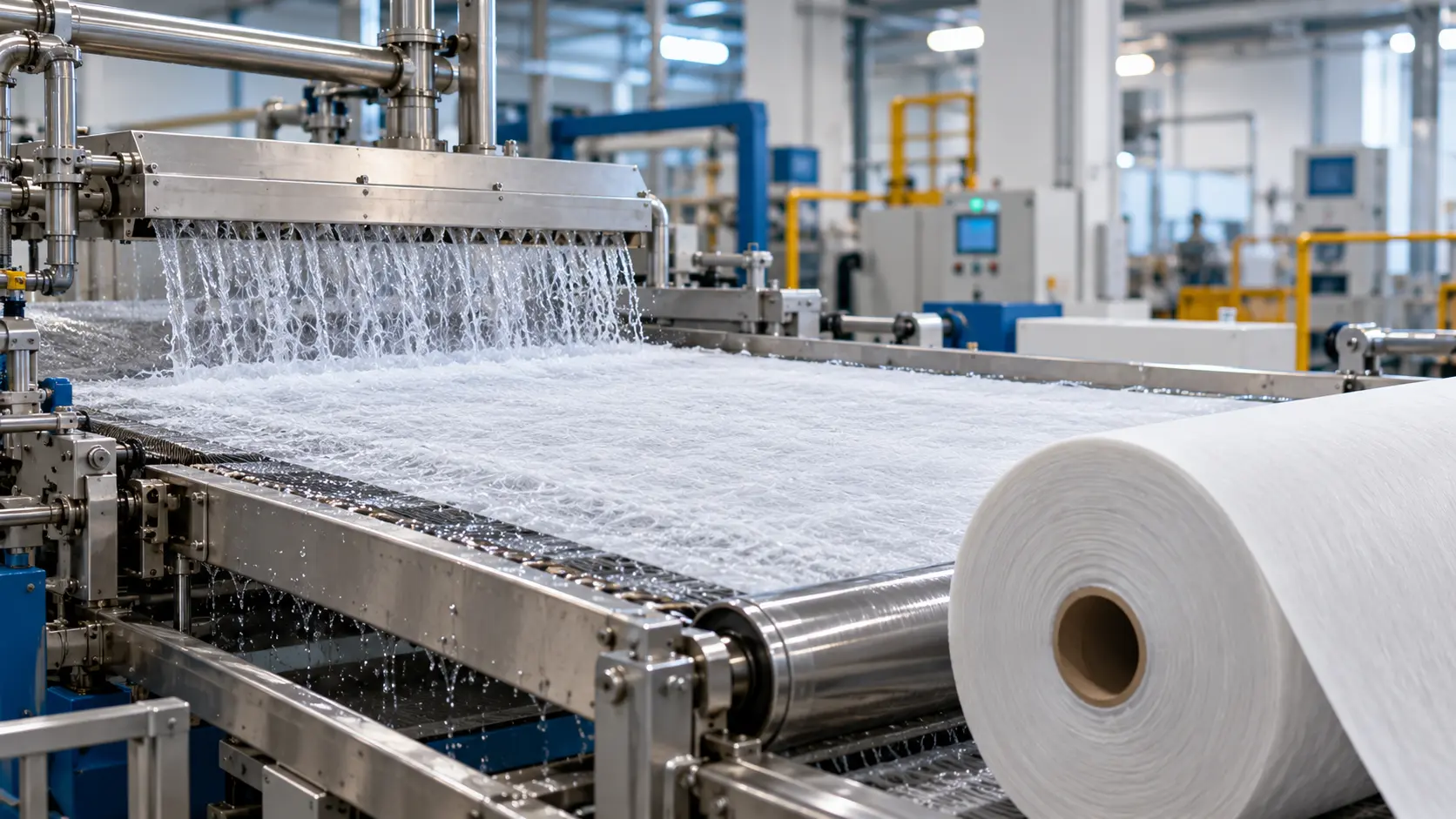
What Is Wetlaid Nonwoven Fabric? Process & Uses
Wetlaid nonwoven fabric is an engineered material manufactured by dispersing fibres in water to crea
03.11.2026
Read Article -
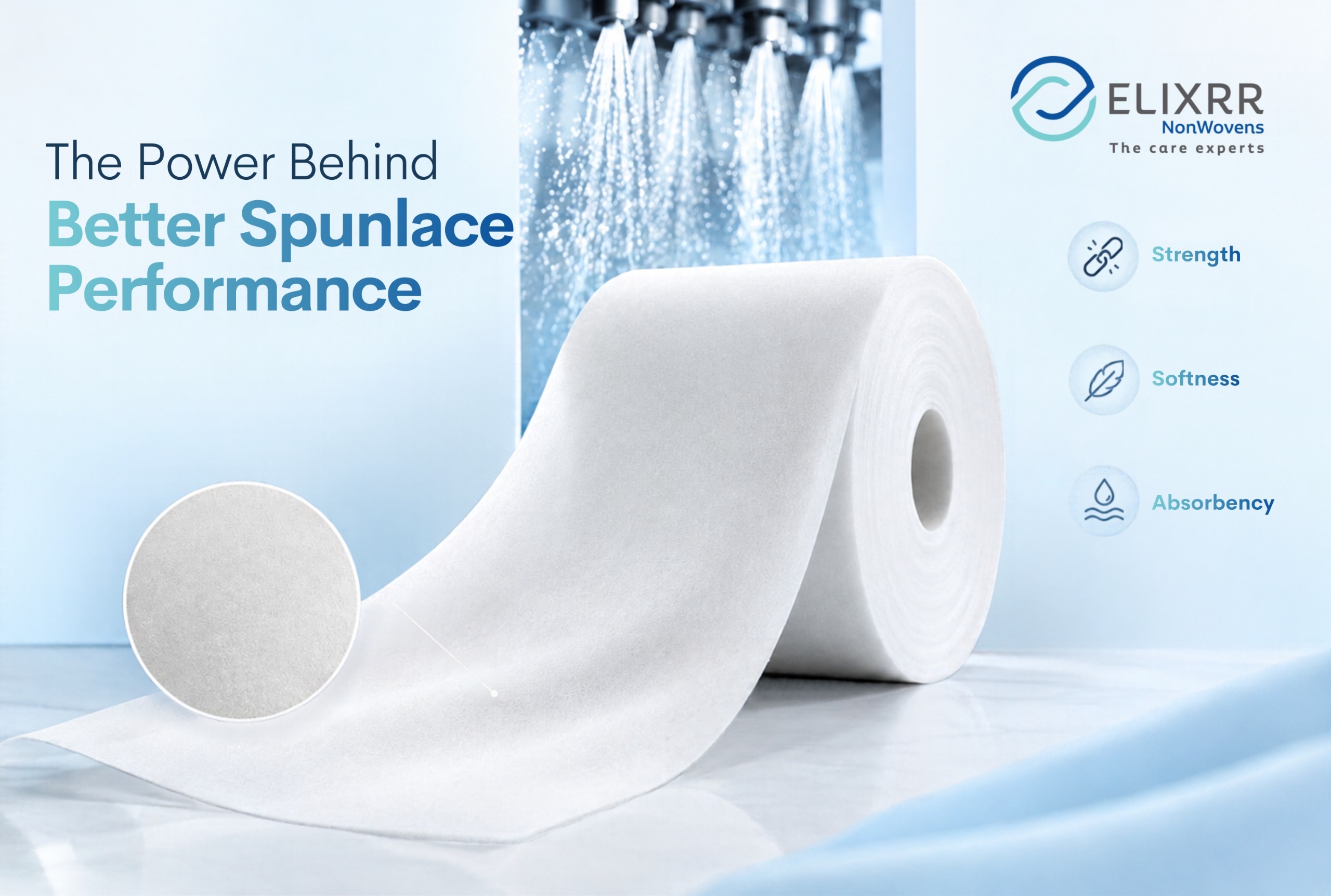
How Hydroentanglement Energy Changes Spunlace Strength, Softness, and Absorbency
Ask a spunlace producer what makes one fabric stronger than another and fibre choice usually comes
28.10.2026
Read Article -
Why Fibre Ratio Can Change Nonwoven Performance Even When GSM Remains Constant
A buyer lines up two spunlace samples. Both are 50 GSM and the price per square metre is close.A buy
20.06.2026
Read Article -
What Should Be Validated Before Moving From a Nonwoven Trial to Commercial Production?
A trial run that performs well doesn't automatically mean you're ready to commit commercial volume.
14.10.2026
Read Article -
Best GSM For Wet Wipes A Procurement Guide for Choosing the Right Spunlace Fabric
Getting the GSM wrong is one of the most common and most expensive mistakes in wet wipes sourcing.
20.06.2026
Read Article - View All Blogs
-
Need nonwoven solutions for your application?
Talk to our team about custom fabrics, sustainability, and product development tailored to your industry.
Explore Recent Blogs
How Wood Pulp Content Affects Wipe Absorbency, Strength and Texture
A cleaning wipe looks like a plain sheet of fabric, but what it’s made from decides how it behave
Read More
What Is Wetlaid Nonwoven Fabric? Process & Uses
Wetlaid nonwoven fabric is an engineered material manufactured by dispersing fibres in water to crea
Read More
How Hydroentanglement Energy Changes Spunlace Strength, Softness, and Absorbency
Ask a spunlace producer what makes one fabric stronger than another and fibre choice usually comes
Read More
Why Fibre Ratio Can Change Nonwoven Performance Even When GSM Remains Constant
A buyer lines up two spunlace samples. Both are 50 GSM and the price per square metre is close.A buy
Read More

Weave Your Success with Our Revolutionary Fabrics
Power your business with Elixrr's cutting-edge nonwoven fabric solutions. Eco-friendly, customizable, and engineered for excellence—because innovation starts with the right foundation.

The textile industry is filled with fascinating innovations that combine traditional craftsmanship with modern technology. Among these, knitted woven fabrics have gained popularity for their versatility, comfort, and functionality across multiple industries. But what exactly is knitted woven fabric, how is it made, and why is it important? In this blog, we’ll explore the concept, types, techniques, and benefits of knitted woven fabrics.
Understanding Knitted Woven Fabric
Knitted woven fabric is a hybrid textile that blends the structural strength of woven fabrics with the elasticity and softness of knitted fabrics. Unlike traditional woven fabrics, which are created by interlacing warp and weft yarns, or knitted fabrics, which use loops of yarn, knitted woven fabric combines both methods to achieve enhanced performance.
This unique structure allows manufacturers to produce fabrics that are:
As a result, knitted woven fabrics are widely used in apparel, medical textiles, automotive materials, and even industrial applications.
Types of Knitted Woven Fabrics
Different knitting and weaving techniques give rise to multiple types of knitted woven fabrics, each suited for specific uses:
1. Warp Knitted Woven Fabric
2. Weft Knitted Woven Fabric
3. Double-Knitted Woven Fabric
4. Circular Knitted Woven Fabric
Techniques Used in Knitted Woven Fabric Production
Producing knitted woven fabric requires advanced techniques that merge knitting and weaving principles:
Benefits of Knitted Woven Fabrics
The combination of knitting and weaving techniques offers multiple advantages that set these fabrics apart:
1. Enhanced Comfort
The knitted structure provides softness, flexibility, and better drape, making it ideal for fashion and activewear.
2. Strength & Durability
The woven component ensures dimensional stability and resistance to wear and tear.
3. Elasticity & Recovery
Unlike standard woven fabrics, knitted woven fabrics stretch and return to their shape, improving fit and performance.
4. Breathability & Moisture Management
The fabric’s structure allows air circulation and better moisture absorption, perfect for sportswear and medical textiles.
5. Design Versatility
With techniques like jacquard knitting and circular knitting, manufacturers can create innovative patterns and textures.
6. Lightweight Yet Strong
It provides the best of both worlds—strength without adding unnecessary weight.
Applications of Knitted Woven Fabrics
Thanks to their performance and versatility, knitted woven fabrics are used across multiple industries:
Final Thoughts
Knitted woven fabrics are a perfect example of how innovation in textiles bridges the gap between comfort and performance. By combining the strength of woven fabrics with the flexibility of knitted fabrics, they deliver outstanding benefits across fashion, healthcare, automotive, and industrial applications.
As technology advances, we can expect knitted woven fabrics to play an even more significant role in sustainable textiles, smart fabrics, and technical applications in the years to come.