


What Are Biodegradable Materials and Why Do They Matter?
What biodegradable materials are, how they work, real-world examples, and why they are becoming non-negotiable for businesses, consumers, and regulators.
-
Recent Post
-
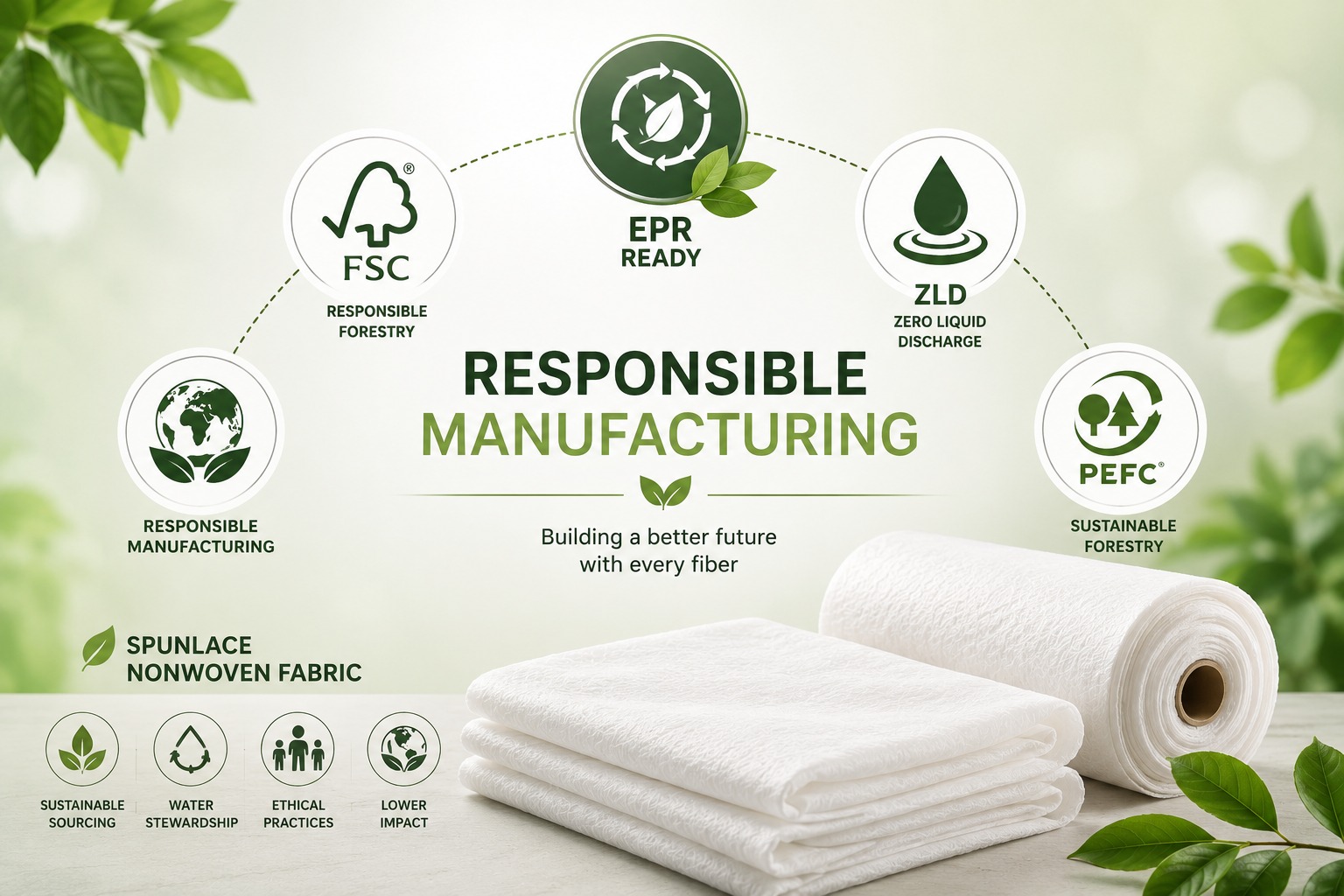
Beyond the Material: What Global Buyers Should Know About Responsible Nonwoven Manufacturing
Responsible nonwoven manufacturing enables global buyers to meet ESG goals through ZLD, FSC and PEFC
22.07.2026
Read Article -

Medical Nonwovens in 2026: What Global Healthcare Buyers Should Prioritise
Learn what global healthcare buyers should prioritise when sourcing medical spunlace nonwovens in 20
15.07.2026
Read Article -
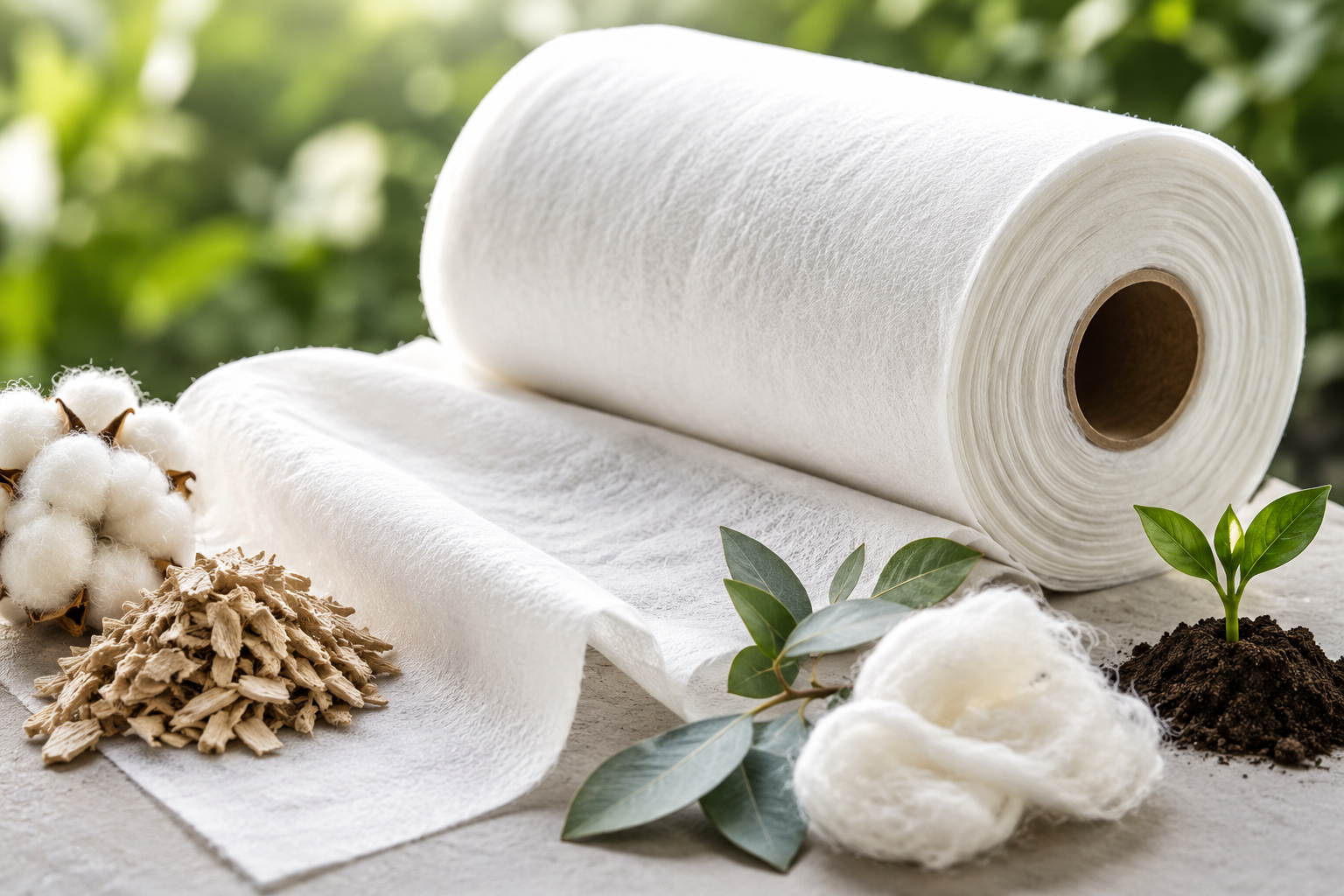
Sustainable Nonwoven Fabric: Are Nonwovens Eco-Friendly?
Discover whether sustainable nonwoven fabric is truly eco-friendly, biodegradable, and recyclable. T
07.07.2026
Read Article -
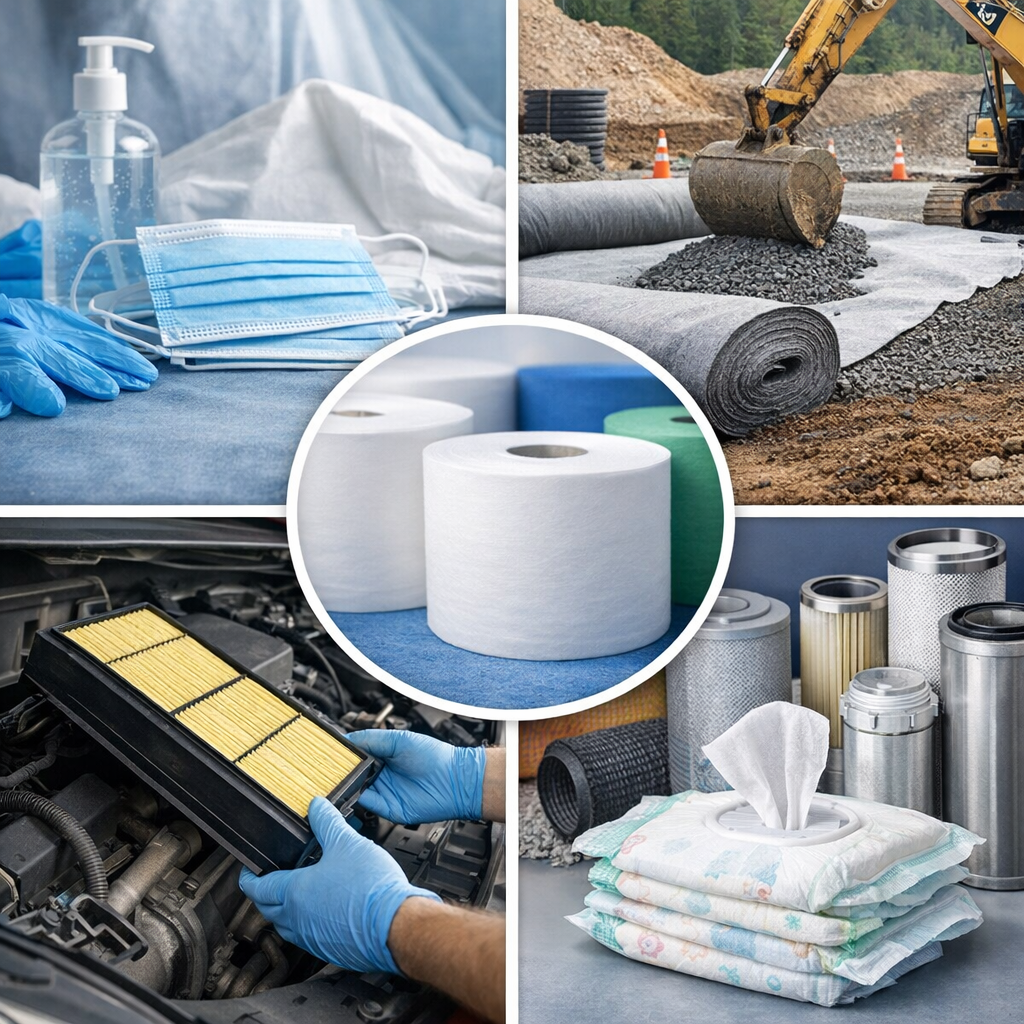
Non Woven Fabric Textile Applications Across Industries: Comprehensive Use Cases
Nonwoven fabrics are widely used across industries for their versatility, cost-effectiveness, and ta
20.06.2026
Read Article -
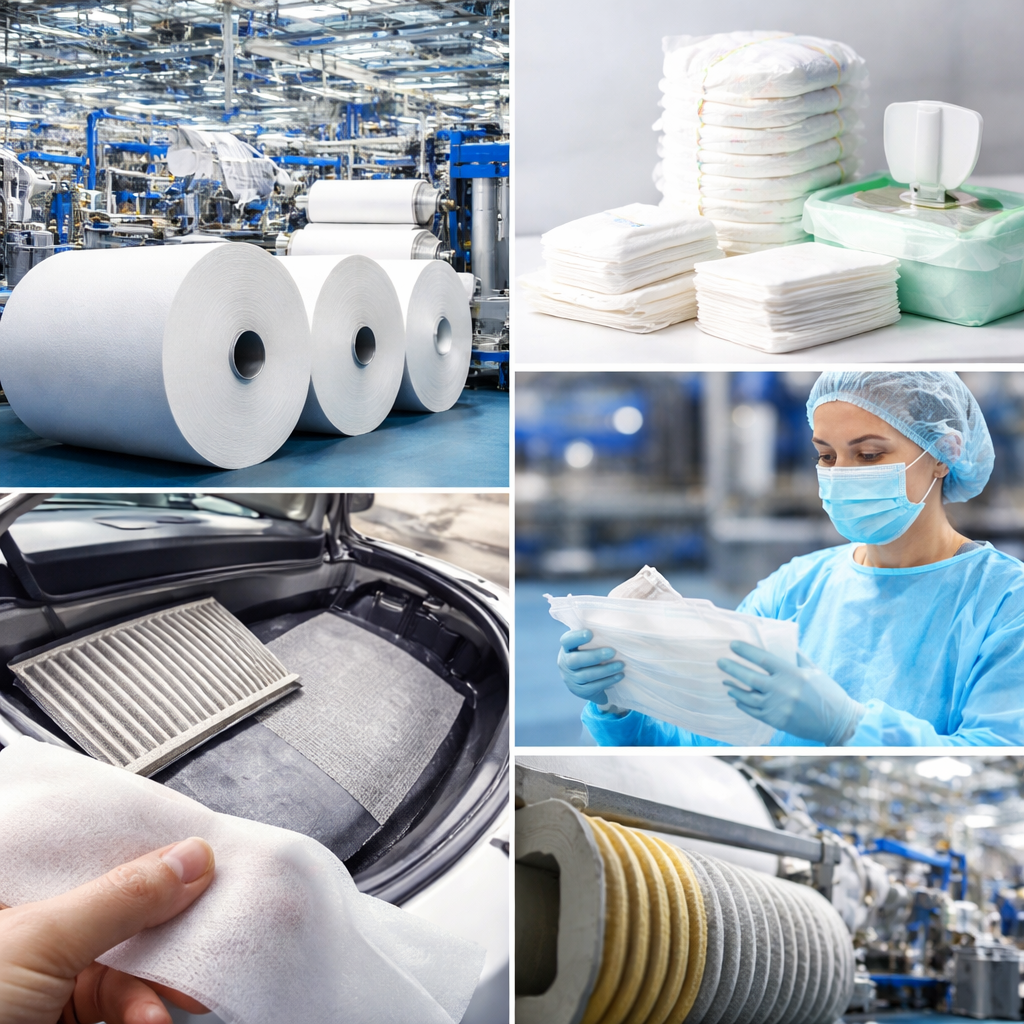
Global Nonwoven Market Trends and Growth Opportunities: 2026 Outlook
The global nonwoven market is expanding rapidly due to strong demand from hygiene, medical, filtrati
20.06.2026
Read Article -
Difference Between Woven and Non-Woven Fabrics: Key Structural, Performance, and Application Differences
Woven and non-woven fabrics differ in how they are made, how they perform, and where they are used.
05.03.2026
Read Article - View All Blogs
-
Need nonwoven solutions for your application?
Talk to our team about custom fabrics, sustainability, and product development tailored to your industry.
Frequently Asked Questions
Know everything — be it our products, our process, or why nonwovens are so cool.
Are biodegradable materials safe for the environment?
Yes, when properly designed and disposed of. Certified biodegradable materials break down without leaving toxic residue.
Do biodegradable materials decompose in landfills?
Some do, but decomposition is slower due to limited oxygen. Composting environments work best.
Are biodegradable plastics better than regular plastics?
From an environmental perspective, yes. But they still require proper waste management.
Can biodegradable materials replace plastic completely?
Not everywhere yet. But for many applications, especially packaging and hygiene, they already are.
Explore Recent Blogs
Beyond the Material: What Global Buyers Should Know About Responsible Nonwoven Manufacturing
Responsible nonwoven manufacturing enables global buyers to meet ESG goals through ZLD, FSC and PEFC
Read More
Medical Nonwovens in 2026: What Global Healthcare Buyers Should Prioritise
Learn what global healthcare buyers should prioritise when sourcing medical spunlace nonwovens in 20
Read More
Sustainable Nonwoven Fabric: Are Nonwovens Eco-Friendly?
Discover whether sustainable nonwoven fabric is truly eco-friendly, biodegradable, and recyclable. T
Read More
Non Woven Fabric Textile Applications Across Industries: Comprehensive Use Cases
Nonwoven fabrics are widely used across industries for their versatility, cost-effectiveness, and ta
Read More

Weave Your Success with Our Revolutionary Fabrics
Power your business with Elixrr's cutting-edge nonwoven fabric solutions. Eco-friendly, customizable, and engineered for excellence—because innovation starts with the right foundation.

We use materials every single day without thinking about where they end up. Packaging, clothing, wipes, food containers, medical supplies. Some disappear back into nature. Most do not. That gap is exactly where biodegradable materials matter.
This guide breaks it down clearly. What biodegradable materials are, how they work, real-world examples, and why they are becoming non-negotiable for businesses, consumers, and regulators.
What Are Biodegradable Materials?
Biodegradable materials are substances that can be broken down naturally by microorganisms like bacteria and fungi into water, carbon dioxide, methane, and organic matter.
No toxic residue. No permanent pollution. Just a return to the natural cycle.
The key idea is time and process. A material is considered biodegradable only if it decomposes naturally without human intervention and within a reasonable time frame.
How Biodegradable Materials Break Down
Biodegradation happens in stages.
Fragmentation
The material starts breaking into smaller pieces due to moisture, heat, and microbial activity.
Microbial digestion
Microorganisms consume the material as a food source.
Mineralization
The material converts into natural elements like water, CO₂, and biomass.
The speed depends on conditions like oxygen, temperature, moisture, and material composition. A paper bag decomposes in weeks. A thick bioplastic may take months.
Common Examples of Biodegradable Materials
Natural biodegradable materials
Bio-based and engineered biodegradable materials
Not all bio-based materials are biodegradable. That’s a critical distinction many people miss.
Biodegradable vs Compostable vs Recyclable
Let’s clear the confusion.
Biodegradable
Compostable
Recyclable
A plastic bottle can be recyclable but not biodegradable. A compostable bag is biodegradable, but the reverse is not always true.
Why Biodegradable Materials Matter
1. They reduce long-term pollution
Traditional plastics can last 400 to 1,000 years. Biodegradable materials close that loop and prevent permanent waste accumulation.
2. They support a circular economy
Instead of a take-make-waste model, biodegradable materials return to the ecosystem as nutrients or harmless compounds.
3. They lower environmental and health risks
Less microplastic contamination. Fewer toxic additives. Reduced impact on soil, water, and food chains.
4. They align with global regulations
Governments worldwide are banning single-use plastics and mandating sustainable alternatives. Biodegradable materials help businesses stay compliant.
5. They influence consumer trust
Sustainability is no longer a branding bonus. It is a purchase driver. Consumers actively choose products with lower environmental impact.
Key Industries Using Biodegradable Materials
Packaging
Medical and hygiene
Agriculture
Textiles and nonwovens
This is where biodegradable nonwoven materials are gaining serious momentum due to performance plus sustainability.
Challenges and Misconceptions
Biodegradable does not automatically mean perfect.
That said, innovation is closing these gaps fast. Performance and affordability are improving year by year.
How to Identify Truly Biodegradable Materials
Look for:
Avoid vague labels like “eco-friendly” or “green” without proof.
Frequently Asked Questions
Are biodegradable materials safe for the environment?
Yes, when properly designed and disposed of. Certified biodegradable materials break down without leaving toxic residue.
Do biodegradable materials decompose in landfills?
Some do, but decomposition is slower due to limited oxygen. Composting environments work best.
Are biodegradable plastics better than regular plastics?
From an environmental perspective, yes. But they still require proper waste management.
Can biodegradable materials replace plastic completely?
Not everywhere yet. But for many applications, especially packaging and hygiene, they already are.