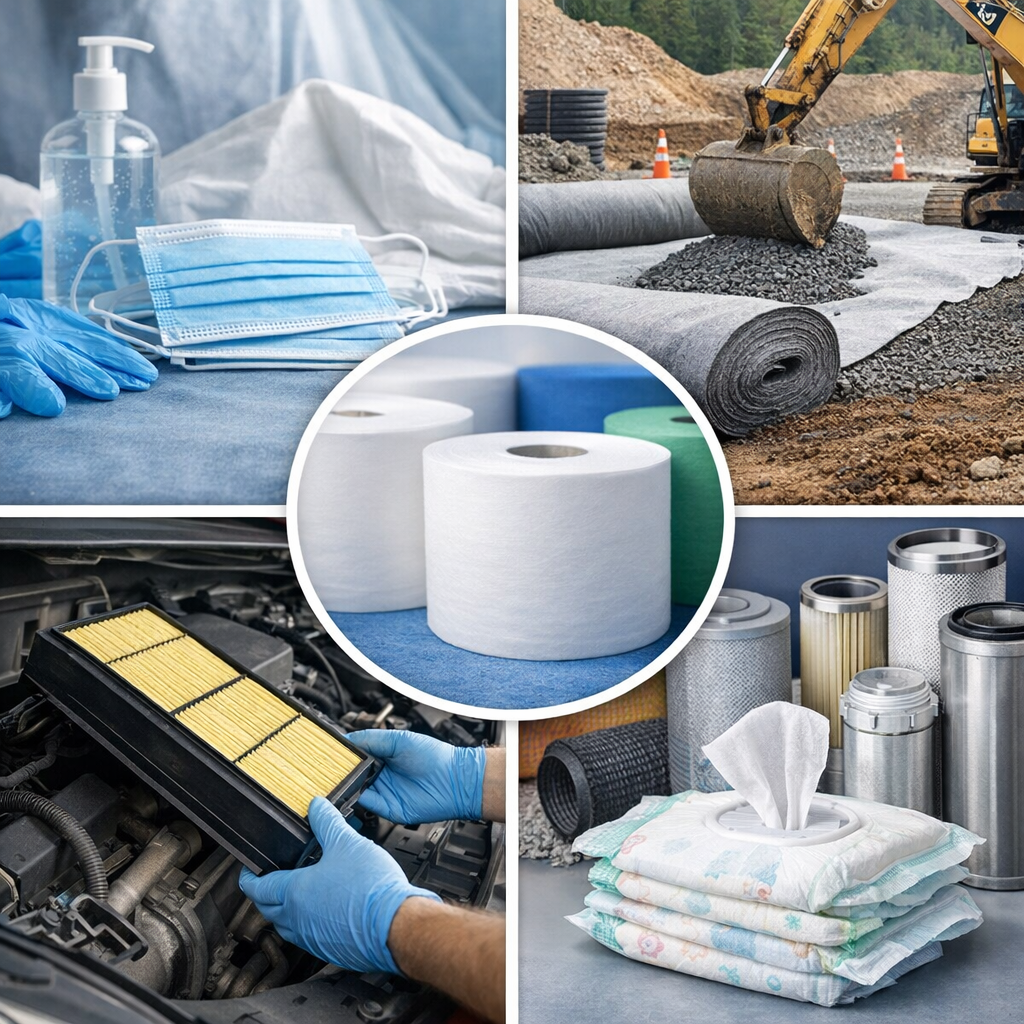
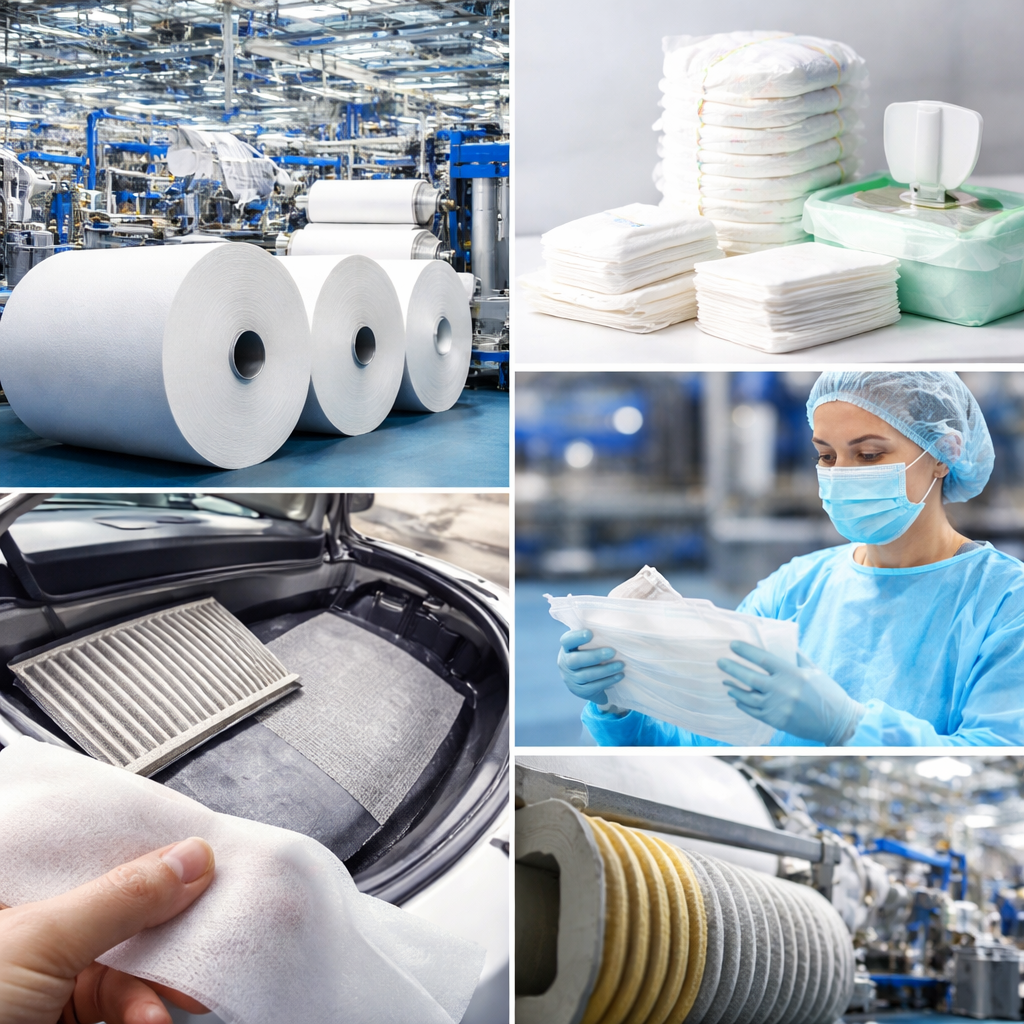
Non woven fabric is one of those materials you touch every day without noticing. It is in masks and wipes, car interiors, tea bags, crop covers, air filters, roofing layers, and even the lining inside furniture.
If you are here to understand where nonwovens are used, which type fits which application, and why industries prefer them over woven fabrics, this guide will cover it all with practical examples and selection tips.
Non woven fabrics are used wherever you need absorbency, filtration, barrier protection, cushioning, insulation, or low cost disposables. The biggest use cases include hygiene and medical products (diapers, masks, gowns), wipes and household cleaning, filtration (air, water, HVAC), automotive interiors (liners, trims, filters), agriculture (crop covers, weed control), construction and geotextiles (drainage, erosion control, roofing underlays), packaging, apparel interlinings, and furniture linings. Their advantage is that properties can be engineered by choosing the right web and bonding method, such as spunbond, meltblown, spunmelt SMS, spunlace, needle punched, airlaid, or wetlaid.
What is non woven fabric, in simple terms?
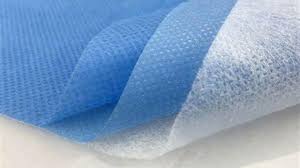
Non woven fabric is a sheet of fibres bonded together without weaving or knitting. Instead of yarns crossing over and under, fibres are held by heat, mechanical entanglement, chemical binders, or other bonding methods.
What this really means is you can engineer the fabric for a job. Soft and absorbent for wipes. Strong and breathable for medical gowns. Ultra fine for filtration layers.
Why nonwovens are used so widely
Most top ranking articles list applications, but they skip the real reason nonwovens dominate: you can tune performance without making yarn.
Key advantages industries care about:
- Engineered properties like absorbency, barrier protection, porosity, softness, stiffness, and strength
- High speed manufacturing and consistent rolls for conversion lines
- Cost control for single use and high volume products
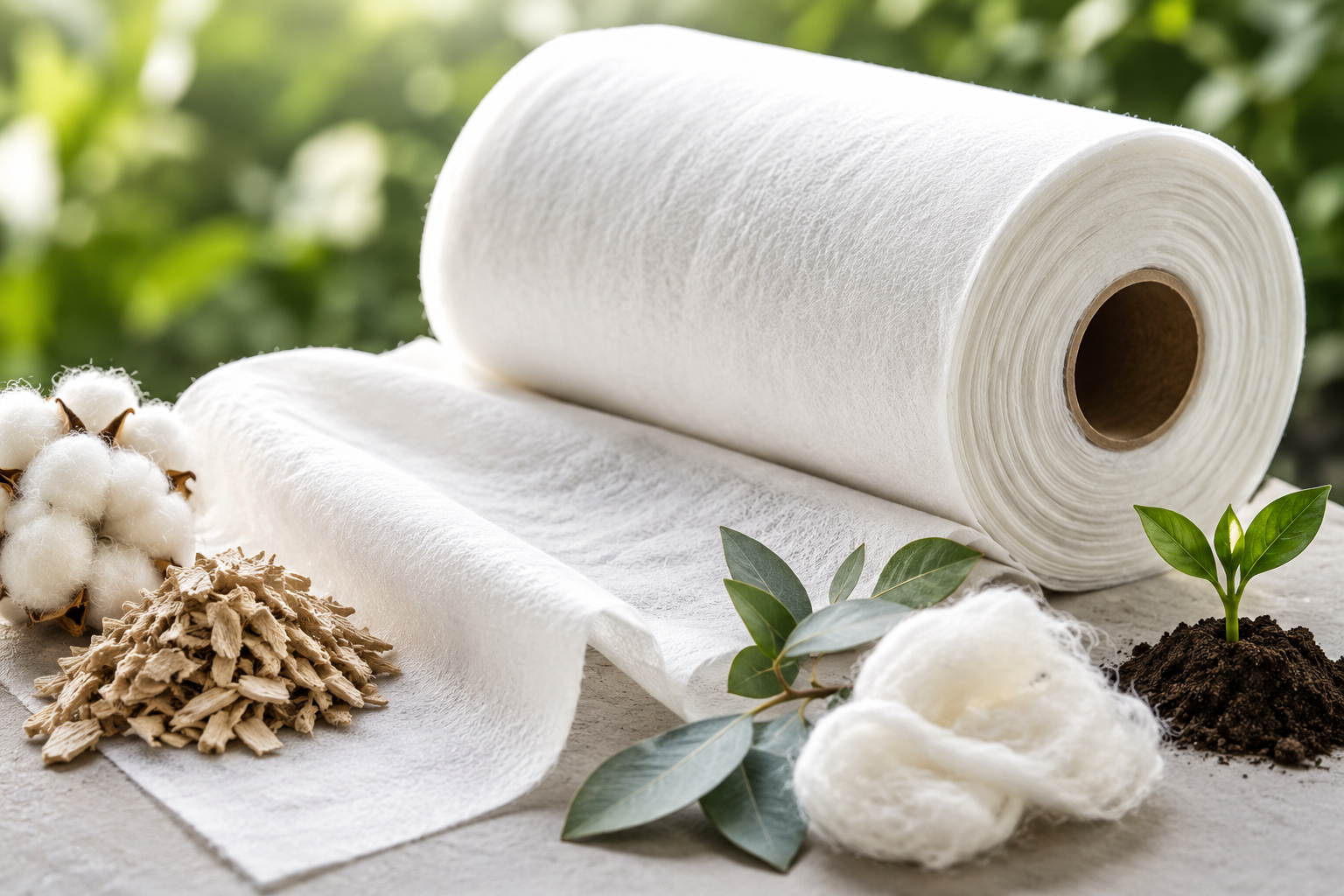
- Material versatility across PP, PET, viscose, cellulose, bicomponent fibres, and blends
- Functional finishes like hydrophilic treatment, antimicrobial finishes, flame retardancy, and anti static (application dependent)
The most common types of non woven fabric and where they fit
You will see these terms in supplier specs. Here is how to think about them:
- Spunbond: strong, lightweight, breathable. Often used as outer layers in hygiene and medical, packaging, and agriculture.
- Meltblown: very fine fibres, excellent filtration. Used in masks, respirators, and air or liquid filtration media.
- SMS or spunmelt (spunbond meltblown spunbond): combines strength plus filtration or barrier. Common in medical protective wear.
- Spunlace (hydroentangled): soft, drapable, great for wipes and skin contact.
- Needle punched: bulk, strength, durability. Common in geotextiles, insulation, and automotive liners.
- Airlaid: high absorbency structures, used in absorbent cores and hygiene products.
- Wetlaid: paper like structures, used in tea bags, specialty filtration, and industrial papers.
15 High impact uses of non woven fabric, with real examples
1. Hygiene products
This is one of the biggest global demand drivers.
- Baby diapers top sheet and back sheet
- Adult incontinence products
- Feminine hygiene components
Why nonwovens work here: softness, breathability, fluid handling, and low cost at scale.
2. Medical and healthcare disposables
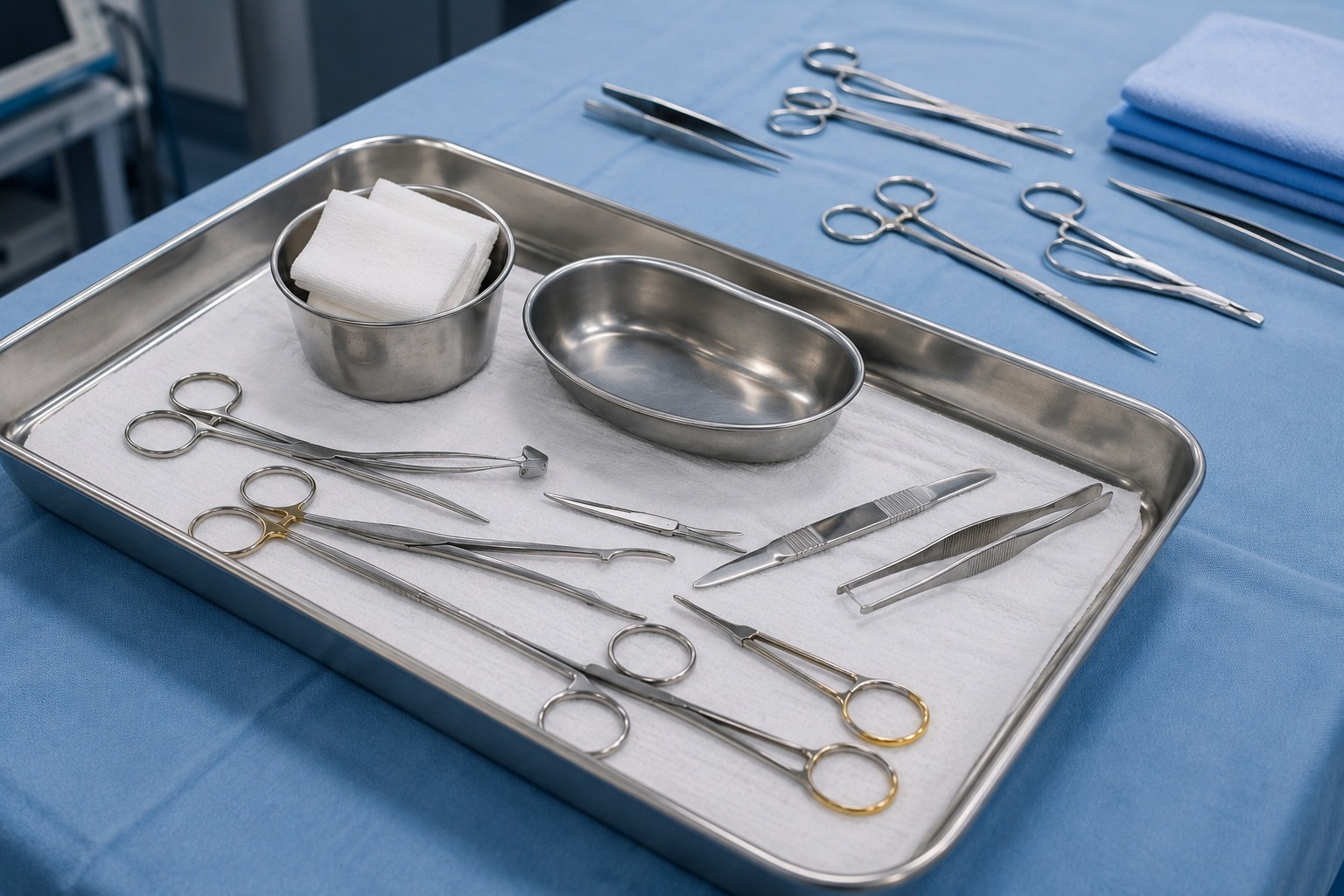
Nonwovens are widely used because they can be engineered for barrier protection and single use hygiene.
- Surgical gowns, drapes, caps
- Masks and respirators
- Wound dressings and absorbent pads
3. Wipes and household cleaning
Spunlace and related structures dominate wipes due to softness and liquid handling.
- Baby wipes, facial wipes, disinfecting wipes
- Mops and cleaning cloths
4. Filtration for air, liquid, and industrial processes
If a product needs to trap particles, nonwovens are often the core media.
- HVAC filters and cabin air filters
- Respirator filtration layers
- Water and industrial filtration media
5. Automotive and transportation
Nonwovens are everywhere inside a vehicle because they are lightweight, moldable, and good for acoustics and filtration.
- Cabin air filters, seat trims, floor mats, trunk liners, wheel arch barriers
6. Geotextiles and civil engineering
Need separation, drainage, filtration, or erosion control in soil? Nonwovens are a standard solution.
- Road construction layers
- Drainage and filtration layers
- Erosion control applications
7. Construction and roofing
Used as functional layers rather than visible surfaces.
- Roofing underlays
- House wraps and protective layers
- Surface protection during construction
8. Agriculture and horticulture
Nonwovens help manage microclimates and protect crops.
- Crop covers and frost protection
- Weed control fabrics
- Seed blankets and plant protection materials
9. Furniture and bedding components
Often hidden, but important for performance and cost.
- Mattress interlinings
- Sofa and chair backings
- Cushion and dust covers
10. Packaging and protective wrapping
Nonwovens show up where you need clean, lightweight, protective packaging.
- Product wraps and protective sheets
- Reusable shopping and carry bags
11. Apparel interlinings and garment structure
A very practical use people forget.
- Collars, cuffs, waistbands, plackets
- Shoe components and structured layers
12. PPE and workplace safety
Beyond hospitals, nonwovens are used in protective clothing because they can be breathable while offering barrier properties.
- Protective coveralls
- Industrial masks and respirators
13. Insulation and sound control
Nonwovens can be engineered as high loft structures for thermal and acoustic insulation.
- Automotive acoustic insulation
- Building insulation layers
14. Tea bags and specialty food contact applications
A surprisingly common everyday use.
- Tea and coffee bag materials are often made from nonwoven structures because they hold shape and allow flow.
15. Electronics and industrial linings
Nonwovens can act as separators, cushioning layers, and protective wraps in industrial production, depending on fibre and bonding.
How to choose the right non woven fabric for your application
Most articles stop at listing industries. If you want to actually spec or buy the right material, use this decision logic:
Step 1: Start with the job
- Absorb liquid (wipes, wound care, hygiene)
- Block or filter particles (masks, HVAC, water filtration)
- Act as a barrier (medical gowns, protective clothing)
- Add strength or structure (bags, interlinings, roofing underlay)
- Provide cushioning or insulation (automotive trim, bedding)
Step 2: Match it to the nonwoven family
- Absorbency and softness: spunlace, airlaid
- Filtration: meltblown, composites like SMS
- Strength and breathability: spunbond
- Durability and bulk: needle punched
- These are widely described in industry guides.
Step 3: Confirm the critical specs
- GSM range and thickness
- Tensile strength in machine and cross direction
- Air permeability or filtration efficiency
- Hydrophilic or hydrophobic treatment
- Linting, softness, and skin contact compliance (if applicable)
Sustainability and compliance, what to know before you claim anything
Nonwovens can be recyclable, biodegradable, or neither. It depends on polymer choice, fibre blends, coatings, and end of life pathways. If you are creating marketing claims, align them to the exact construction and local regulations.
Also note that the industry discusses disposability and flushability standards, especially for wipes and similar products.
FAQs about uses of non woven fabric
What is the most common use of non woven fabric?
Hygiene and medical products are among the most common uses, including diapers, sanitary products, masks, gowns, and wipes.
Why is non woven fabric used in masks?
Because meltblown and composite structures can capture very small particles efficiently while keeping the material lightweight.
Is non woven fabric used in cars?
Yes. It is used in cabin air filters, trims, liners, mats, and sound insulation applications.
Is non woven fabric only for disposable products?
No. Many applications are durable, including geotextiles, automotive insulation, construction layers, carpet backing, and furniture linings.
Which non woven fabric is best for wipes?
Spunlace is commonly used because it is soft, drapable, and handles liquids well.
Final takeaway
Non woven fabric is not one material. It is a whole toolkit of engineered structures. That is why it shows up in hygiene, medical, filtration, automotive, agriculture, construction, household products, and more. The winning approach is to start with the job to be done, then pick the nonwoven type that delivers the right mix of softness, strength, barrier, filtration, or absorbency.





Non woven fabric is one of those materials you touch every day without noticing. It is in masks and wipes, car interiors, tea bags, crop covers, air filters, roofing layers, and even the lining inside furniture.
If you are here to understand where nonwovens are used, which type fits which application, and why industries prefer them over woven fabrics, this guide will cover it all with practical examples and selection tips.
Non woven fabrics are used wherever you need absorbency, filtration, barrier protection, cushioning, insulation, or low cost disposables. The biggest use cases include hygiene and medical products (diapers, masks, gowns), wipes and household cleaning, filtration (air, water, HVAC), automotive interiors (liners, trims, filters), agriculture (crop covers, weed control), construction and geotextiles (drainage, erosion control, roofing underlays), packaging, apparel interlinings, and furniture linings. Their advantage is that properties can be engineered by choosing the right web and bonding method, such as spunbond, meltblown, spunmelt SMS, spunlace, needle punched, airlaid, or wetlaid.
What is non woven fabric, in simple terms?
Non woven fabric is a sheet of fibres bonded together without weaving or knitting. Instead of yarns crossing over and under, fibres are held by heat, mechanical entanglement, chemical binders, or other bonding methods.
What this really means is you can engineer the fabric for a job. Soft and absorbent for wipes. Strong and breathable for medical gowns. Ultra fine for filtration layers.
Why nonwovens are used so widely
Most top ranking articles list applications, but they skip the real reason nonwovens dominate: you can tune performance without making yarn.
Key advantages industries care about:
The most common types of non woven fabric and where they fit
You will see these terms in supplier specs. Here is how to think about them:
15 High impact uses of non woven fabric, with real examples
1. Hygiene products
This is one of the biggest global demand drivers.
Why nonwovens work here: softness, breathability, fluid handling, and low cost at scale.
2. Medical and healthcare disposables
Nonwovens are widely used because they can be engineered for barrier protection and single use hygiene.
3. Wipes and household cleaning
Spunlace and related structures dominate wipes due to softness and liquid handling.
4. Filtration for air, liquid, and industrial processes
If a product needs to trap particles, nonwovens are often the core media.
5. Automotive and transportation
Nonwovens are everywhere inside a vehicle because they are lightweight, moldable, and good for acoustics and filtration.
6. Geotextiles and civil engineering
Need separation, drainage, filtration, or erosion control in soil? Nonwovens are a standard solution.
7. Construction and roofing
Used as functional layers rather than visible surfaces.
8. Agriculture and horticulture
Nonwovens help manage microclimates and protect crops.
9. Furniture and bedding components
Often hidden, but important for performance and cost.
10. Packaging and protective wrapping
Nonwovens show up where you need clean, lightweight, protective packaging.
11. Apparel interlinings and garment structure
A very practical use people forget.
12. PPE and workplace safety
Beyond hospitals, nonwovens are used in protective clothing because they can be breathable while offering barrier properties.
13. Insulation and sound control
Nonwovens can be engineered as high loft structures for thermal and acoustic insulation.
14. Tea bags and specialty food contact applications
A surprisingly common everyday use.
15. Electronics and industrial linings
Nonwovens can act as separators, cushioning layers, and protective wraps in industrial production, depending on fibre and bonding.
How to choose the right non woven fabric for your application
Most articles stop at listing industries. If you want to actually spec or buy the right material, use this decision logic:
Step 1: Start with the job
Step 2: Match it to the nonwoven family
Step 3: Confirm the critical specs
Sustainability and compliance, what to know before you claim anything
Nonwovens can be recyclable, biodegradable, or neither. It depends on polymer choice, fibre blends, coatings, and end of life pathways. If you are creating marketing claims, align them to the exact construction and local regulations.
Also note that the industry discusses disposability and flushability standards, especially for wipes and similar products.
FAQs about uses of non woven fabric
What is the most common use of non woven fabric?
Hygiene and medical products are among the most common uses, including diapers, sanitary products, masks, gowns, and wipes.
Why is non woven fabric used in masks?
Because meltblown and composite structures can capture very small particles efficiently while keeping the material lightweight.
Is non woven fabric used in cars?
Yes. It is used in cabin air filters, trims, liners, mats, and sound insulation applications.
Is non woven fabric only for disposable products?
No. Many applications are durable, including geotextiles, automotive insulation, construction layers, carpet backing, and furniture linings.
Which non woven fabric is best for wipes?
Spunlace is commonly used because it is soft, drapable, and handles liquids well.
Final takeaway
Non woven fabric is not one material. It is a whole toolkit of engineered structures. That is why it shows up in hygiene, medical, filtration, automotive, agriculture, construction, household products, and more. The winning approach is to start with the job to be done, then pick the nonwoven type that delivers the right mix of softness, strength, barrier, filtration, or absorbency.