


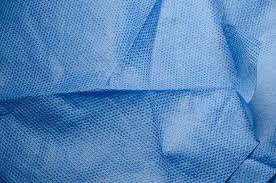
Cellulose Based Nonwoven Fabric | Eco Friendly Innovation
Explore the benefits of cellulose-based nonwoven fabric—biodegradable, soft, and sustainable. Ideal for wipes, hygiene, and medical applications.
-
Recent Post
-
How to Choose the Right Spunlace Nonwoven Fabric Manufacturer for Your Business
Sourcing decisions in the nonwoven category rarely fail because of price. They fail because a buyer
15.09.2026
Read Article -
How Global Wet Wipe Brands Evaluate Nonwoven Fabric Suppliers Before Signing a Contract
Multinational wet wipe brands don't sign with a nonwoven fabric supplier off a single sample and a g
08.09.2026
Read Article -
100 Percent Plastic Free Nonwovens: What Global Buyers Need to Know in 2026
Learn how plastic-free nonwoven materials are helping brands meet evolving EU and US sustainability
14.08.2026
Read Article -
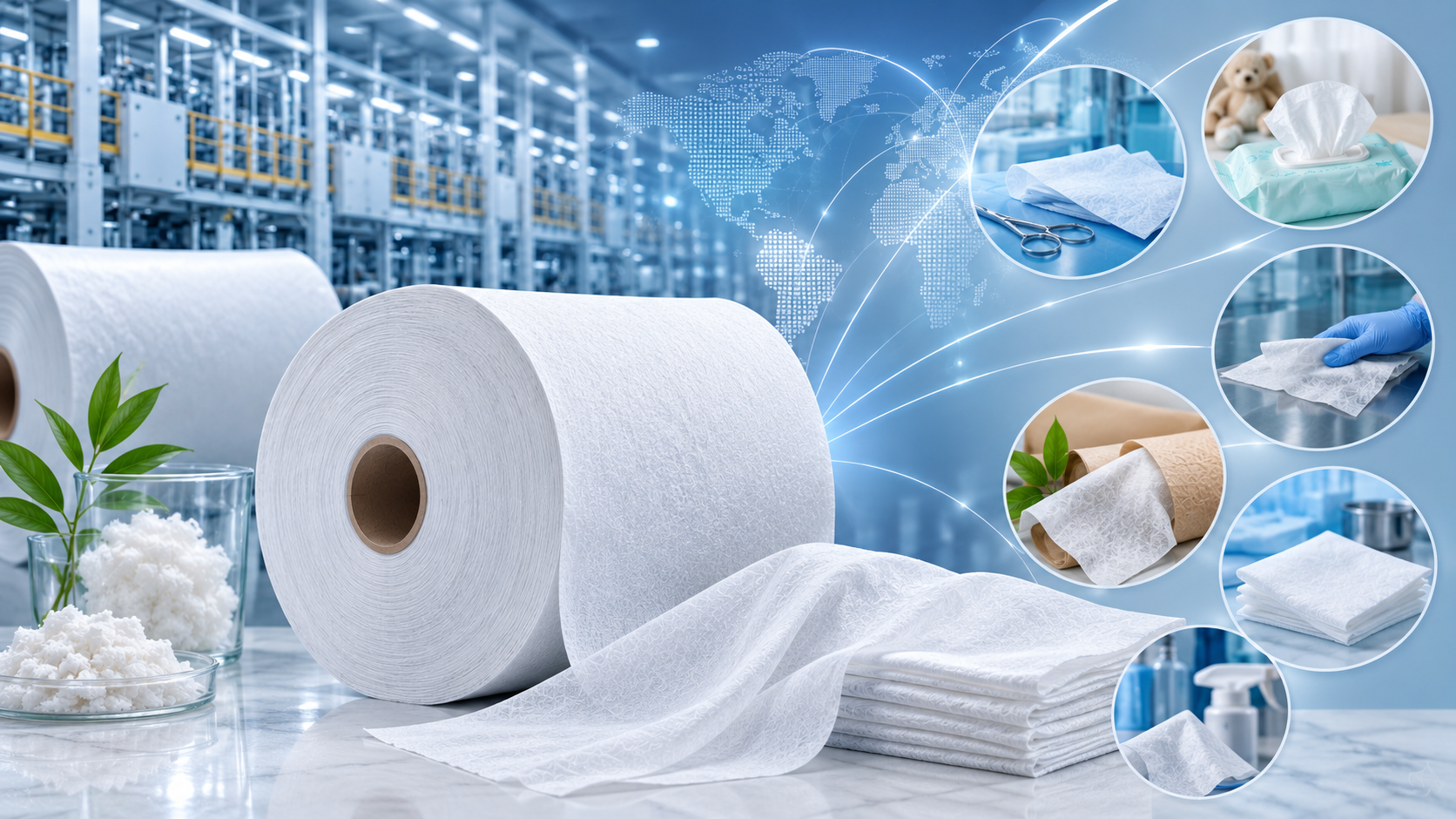
Why Multi-Application Nonwoven Manufacturing Matters to Global Buyers
Discover why global buyers are choosing multi-application nonwoven manufacturers to simplify procure
07.08.2026
Read Article -
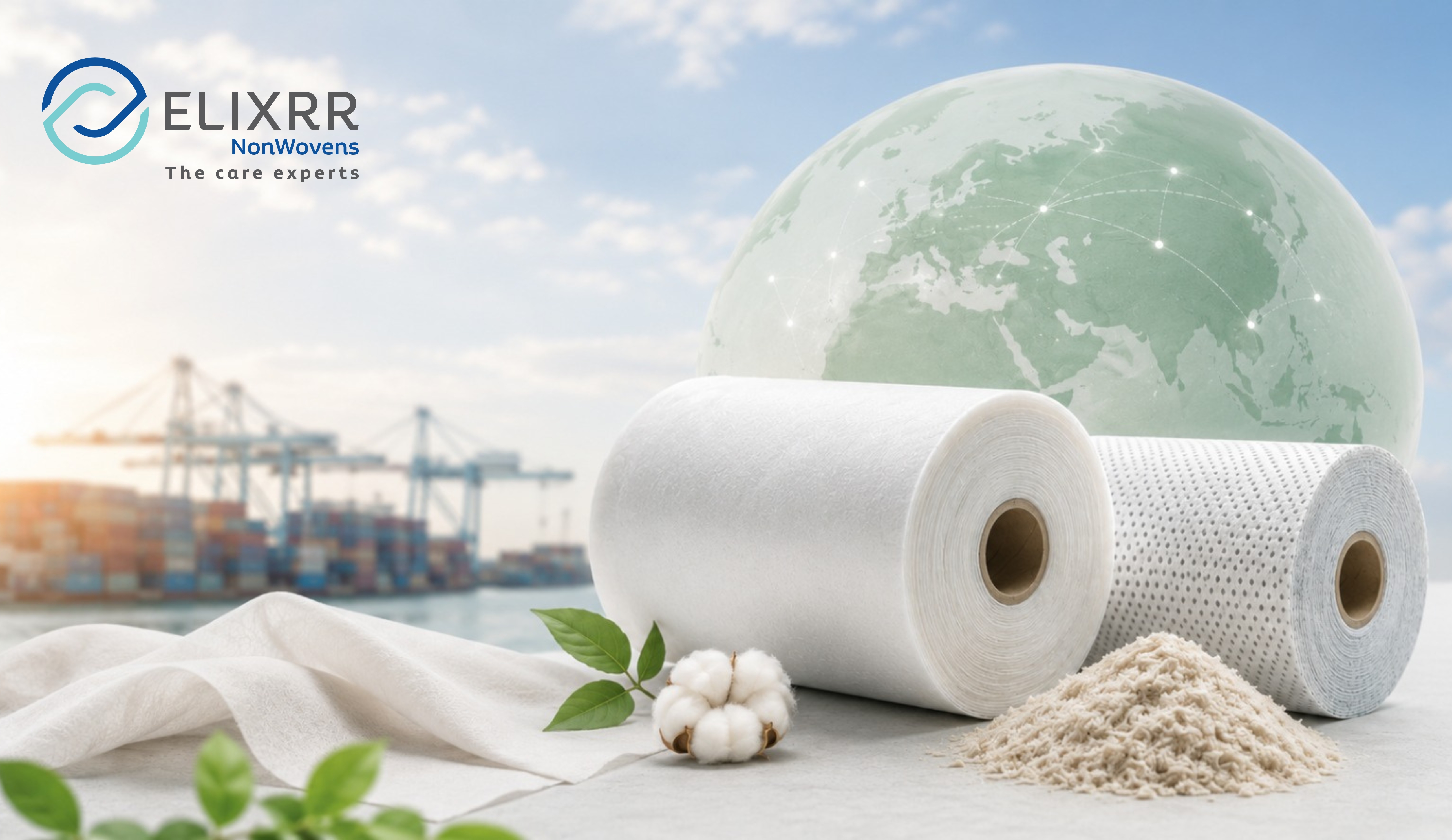
What European Buyers Often Get Wrong About Sourcing Nonwovens from India
Sourcing nonwovens from India is no longer driven by cost alone. This blog explains why European buy
29.07.2026
Read Article -
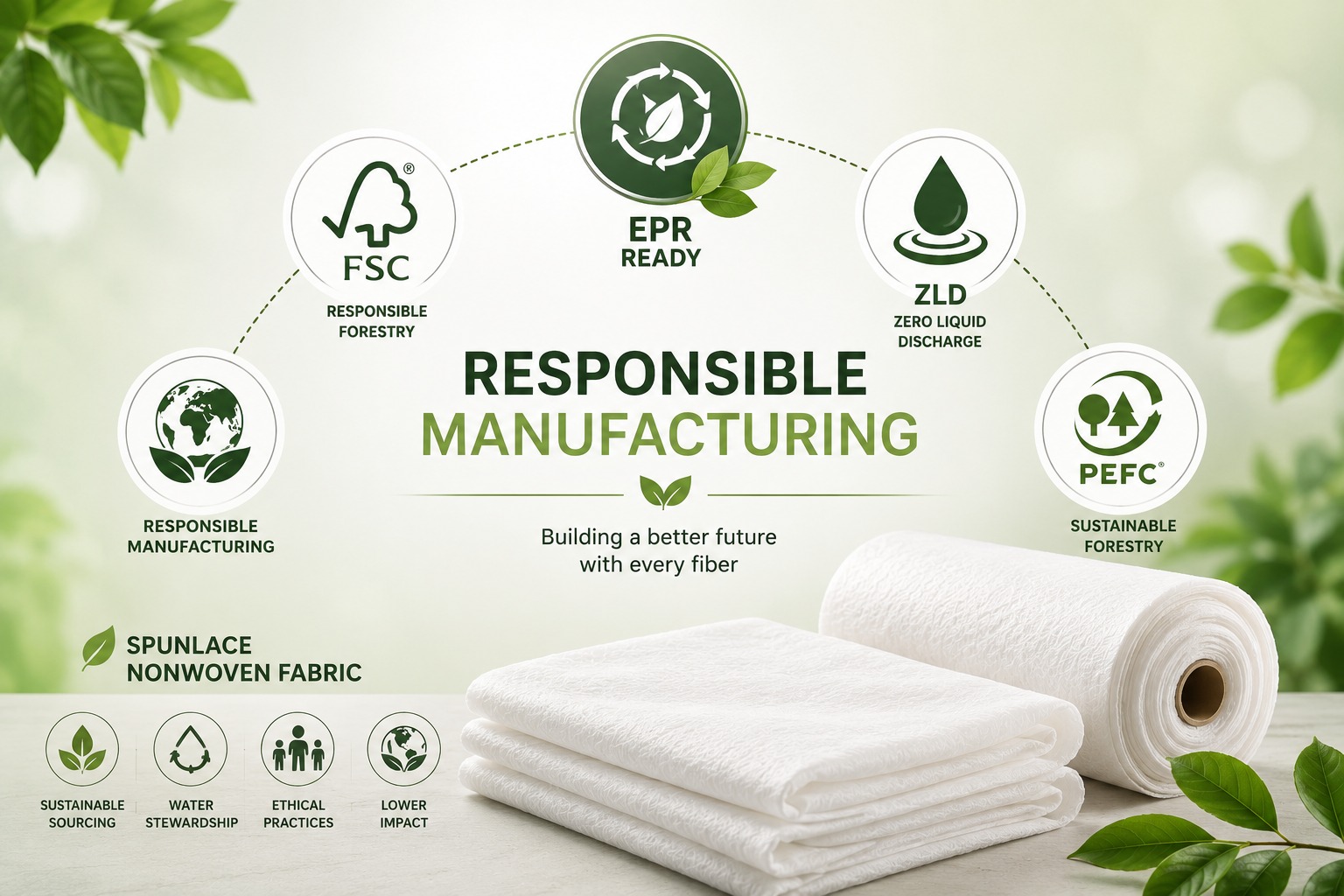
Beyond the Material: What Global Buyers Should Know About Responsible Nonwoven Manufacturing
Responsible nonwoven manufacturing enables global buyers to meet ESG goals through ZLD, FSC and PEFC
22.07.2026
Read Article - View All Blogs
-
Need nonwoven solutions for your application?
Talk to our team about custom fabrics, sustainability, and product development tailored to your industry.
Explore Recent Blogs
How to Choose the Right Spunlace Nonwoven Fabric Manufacturer for Your Business
Sourcing decisions in the nonwoven category rarely fail because of price. They fail because a buyer
Read More
How Global Wet Wipe Brands Evaluate Nonwoven Fabric Suppliers Before Signing a Contract
Multinational wet wipe brands don't sign with a nonwoven fabric supplier off a single sample and a g
Read More
100 Percent Plastic Free Nonwovens: What Global Buyers Need to Know in 2026
Learn how plastic-free nonwoven materials are helping brands meet evolving EU and US sustainability
Read More
Why Multi-Application Nonwoven Manufacturing Matters to Global Buyers
Discover why global buyers are choosing multi-application nonwoven manufacturers to simplify procure
Read More

Weave Your Success with Our Revolutionary Fabrics
Power your business with Elixrr's cutting-edge nonwoven fabric solutions. Eco-friendly, customizable, and engineered for excellence—because innovation starts with the right foundation.

Sustainability is no longer a trend - it’s a necessity. Across the textile and hygiene industries, the shift from synthetic fibers to eco-friendly alternatives is driving innovation. Among these, cellulose-based nonwoven fabrics are emerging as a game-changer. They blend natural performance with biodegradability, making them a preferred choice for wipes, medical applications, and packaging.
Let’s break down what cellulose-based nonwoven fabrics are, how they’re made, and why they matter in today’s sustainability-driven market.
What is Cellulose-Based Nonwoven Fabric?
Cellulose-based nonwoven fabric is made from natural cellulose fibers derived from plants such as wood pulp, cotton, bamboo, or other renewable sources. Unlike traditional woven or knitted fabrics, nonwoven fabrics are bonded together through mechanical, thermal, or chemical processes instead of weaving or knitting.
This results in a versatile material that combines strength, softness, and absorbency with environmental responsibility.
Key Characteristics:
Manufacturing Process of Cellulose-Based Nonwoven Fabric
The production of cellulose-based nonwovens typically follows a nonwoven formation process, where fibers are entangled or bonded to create fabric sheets. Here’s how it works:
1. Fiber Preparation
Cellulose fibers are extracted from natural sources (like wood pulp or cotton linters) and refined into short, uniform fibers suitable for nonwoven production.
2. Web Formation
Fibers are laid randomly or directionally using techniques such as:
3. Bonding
The fiber web is bonded using:
4. Finishing and Treatment
Finishes such as softness enhancers, antibacterial agents, or hydrophilic/hydrophobic coatings can be added to customize fabric properties for end-use applications.
Advantages of Cellulose-Based Nonwoven Fabrics
Here’s what makes cellulose-based nonwovens stand out in modern industries:
Applications of Cellulose-Based Nonwoven Fabrics
Cellulose-based nonwovens have wide applications across multiple industries due to their versatility and sustainability.
1. Personal Care and Hygiene
Used in:
2. Medical and Healthcare
Applied in:
3. Industrial Uses
Employed for:
4. Home Care
Commonly used for:
5. Sustainable Packaging
With growing demand for plastic alternatives, cellulose-based nonwovens are being adapted for biodegradable packaging and eco-friendly wraps.
Market Trends and Future Outlook
The global shift toward sustainability is rapidly expanding the cellulose nonwovens market.
According to recent industry reports:
Innovations such as bamboo-based viscose, nanocellulose fibers, and biopolymer blends are pushing the boundaries of performance and eco-efficiency.
Why Elixrr Nonwovens?
At Elixrr Nonwovens, we’re committed to advancing sustainable textile solutions through innovation and quality. Our cellulose-based nonwoven fabrics are engineered for strength, softness, and biodegradability—meeting global environmental and performance standards.
What sets Elixrr apart:
If you’re looking to source eco-friendly nonwoven materials that deliver both performance and sustainability, Elixrr Nonwovens is your trusted partner.
Conclusion
Cellulose-based nonwoven fabrics represent the future of sustainable material innovation. They combine the best of nature and technology to create versatile, high-performance fabrics that are kind to the planet and safe for people.
As industries continue to shift toward biodegradable alternatives, these fabrics will play a key role in redefining how we think about disposability, comfort, and environmental impact.