Dry Wipes Non Woven Fabric. Uses, Types and Benefits
25.12.2025
Learn what dry wipes non woven fabric is, its types, materials, manufacturing process, applications, and how to choose the right fabric for wipes.
Dry Wipes Non Woven Fabric. Complete Guide to Materials, Uses, and Manufacturing
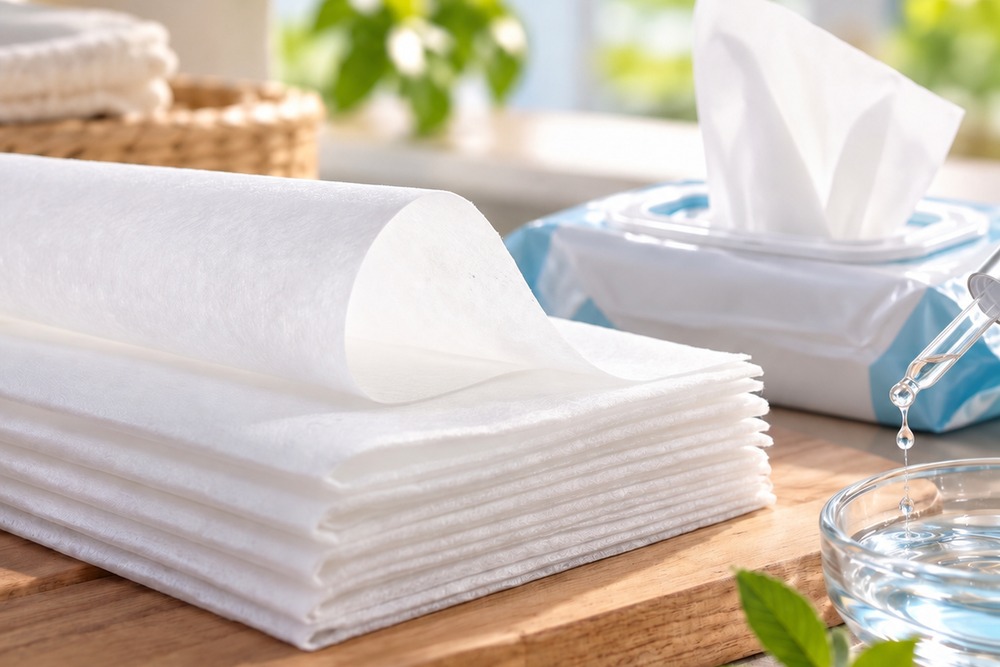
Dry wipes made from non woven fabric have quietly become a backbone product across healthcare, hygiene, personal care, and industrial cleaning. You see them in hospitals, salons, baby care, cleanrooms, kitchens, and factories. What makes them powerful is not branding or packaging, but the fabric itself.
Let’s break this down properly. What dry wipes non woven fabric actually is, how it is made, why it outperforms woven alternatives, and how buyers should evaluate quality before sourcing it.
What Is Dry Wipes Non Woven Fabric?
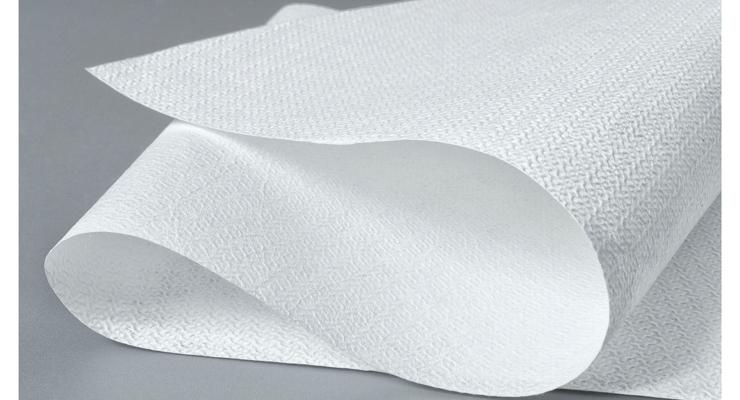
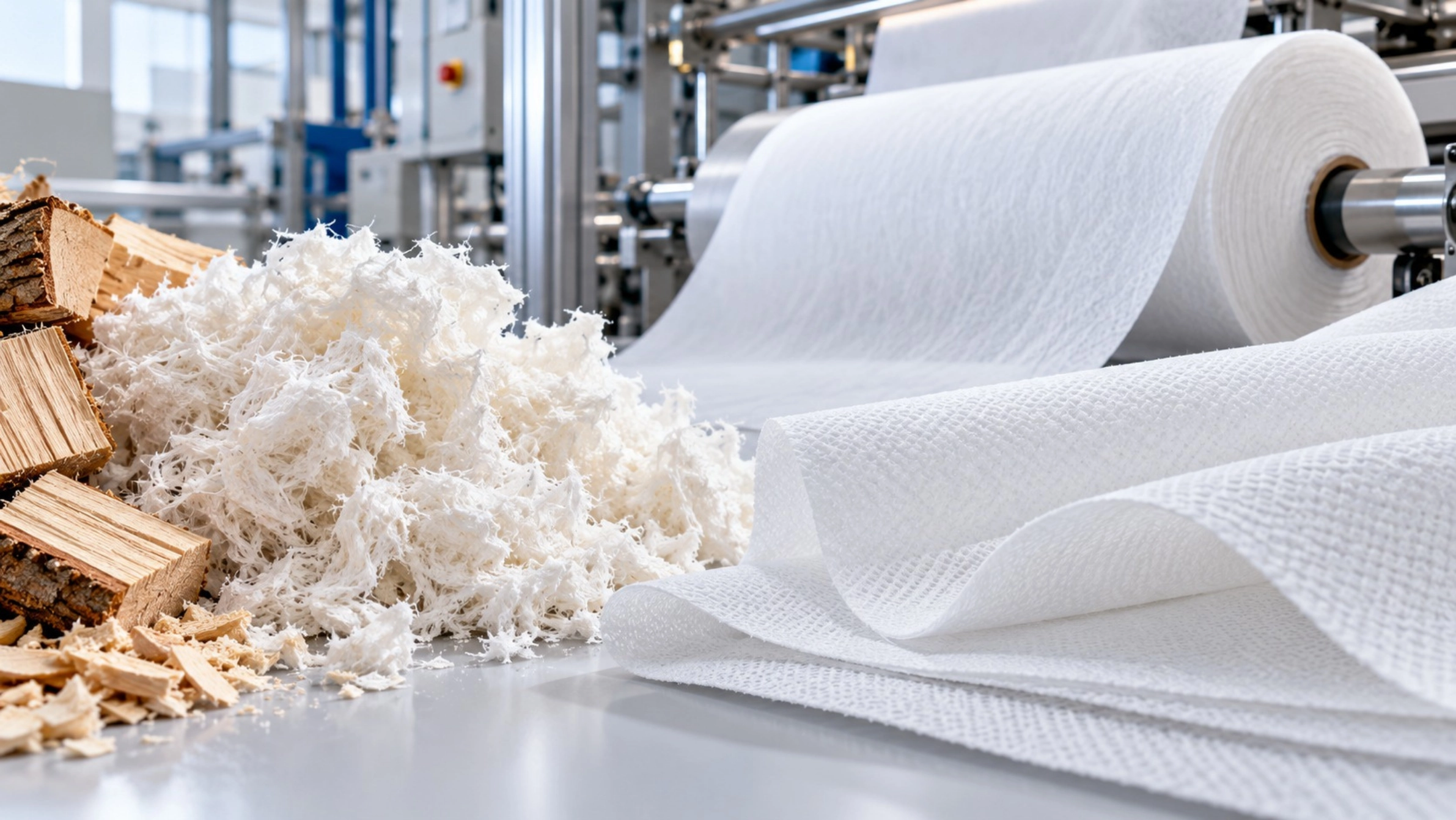
Wipes are commonly made from non woven fabrics, which are produced by bonding fibres together rather than weaving or knitting them. Depending on their intended use, wipes may be manufactured using materials such as spunlace nonwoven fabric, polyester, viscose, polypropylene, wood pulp, or cotton blends. These materials are selected for their softness, absorbency, durability, and cleaning performance.
Dry wipes are typically used as standalone products or later converted into wet wipes by adding solution at the point of use or during packaging.
Why Non Woven Fabric Is Used for Dry Wipes
Here’s the thing. Traditional cotton cloth or paper based wipes cannot match the performance balance that non woven fabric delivers.
Key advantages include:
- High absorbency without excessive thickness
- Low lint release, critical for medical and cleanroom use
- Uniform texture and strength across the sheet
- Cost efficiency at scale
- Disposable and hygienic by design
- Customizable softness, strength, and porosity
This is why nearly all modern dry wipes, from surgical wipes to salon wipes, are non woven based.
Common Types of Non Woven Fabric Used for Dry Wipes
Not all non woven fabrics are the same. The performance of a dry wipe depends heavily on the production method.
Spunlace Non Woven Fabric
Spunlace is the gold standard for premium dry wipes.
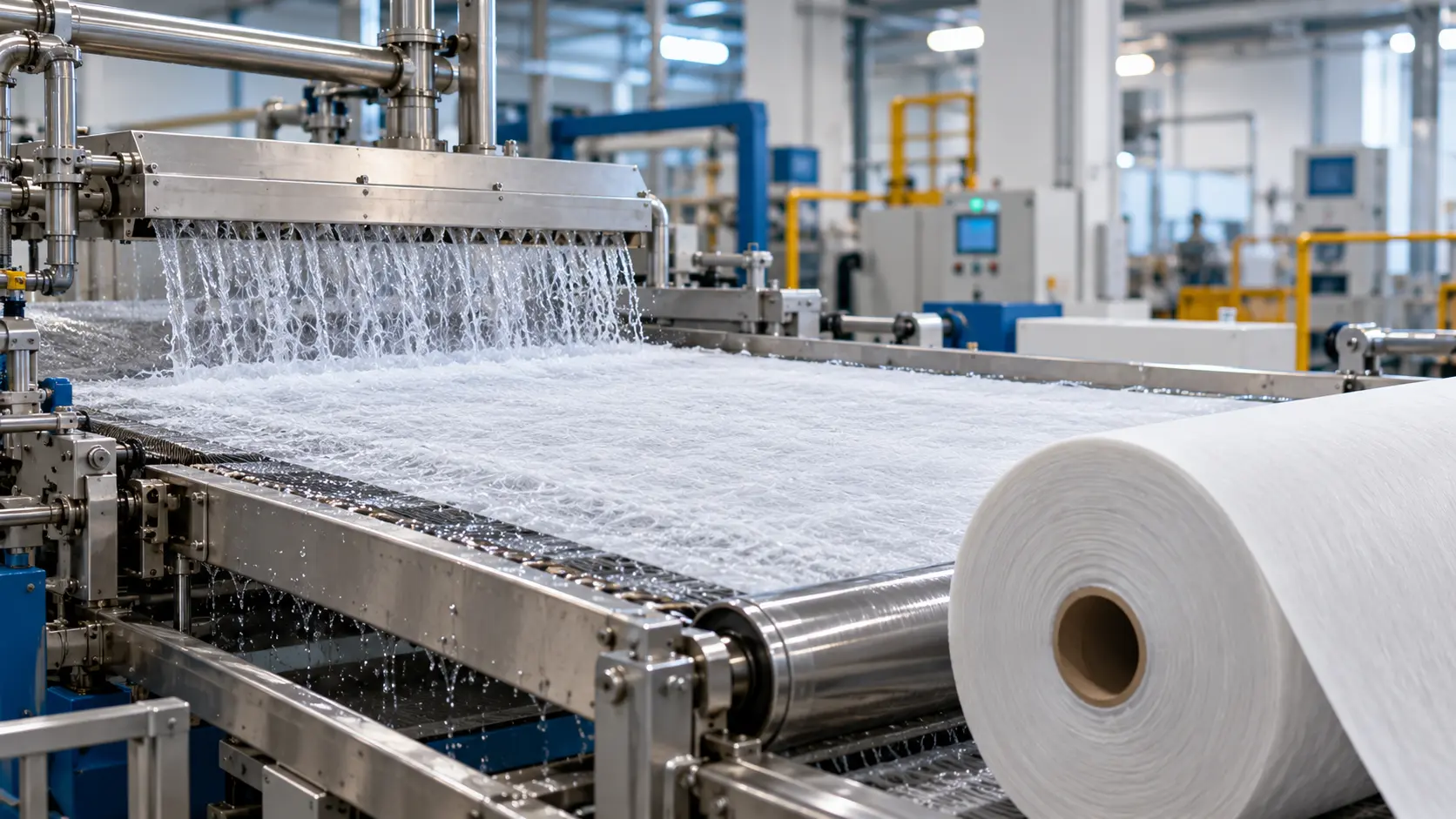
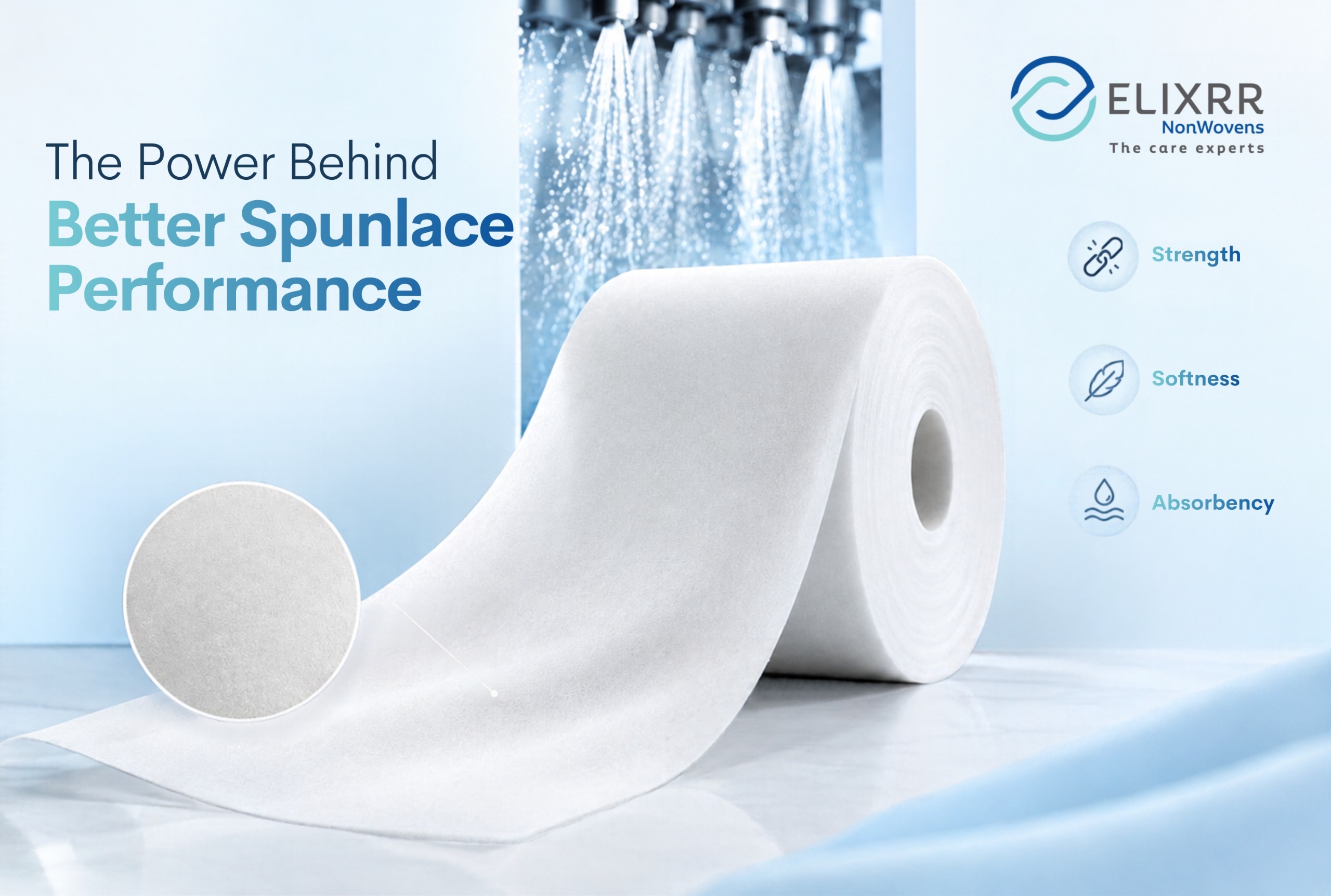
Fibers are entangled using high pressure water jets, without chemical binders. This creates a fabric that is soft, cloth like, strong, and highly absorbent.
Used in:
- Medical dry wipes
- Baby care wipes
- Facial and cosmetic wipes
- Hospitality and premium hygiene wipes
Spunbond Non Woven Fabric
Spunbond is thermally bonded and more structured.
It is stronger but less soft compared to spunlace. Often used where durability matters more than softness.
Used in:
- Industrial cleaning wipes
- Automotive wipes
- Utility and maintenance wipes
Airlaid Non Woven Fabric
Airlaid is made by dispersing fibers in air and bonding them into sheets.
It has excellent bulk and absorbency, making it suitable for heavy liquid uptake.
Used in:
- Medical pads
- Absorbent cleaning wipes
- Food service wipes
Meltblown Non Woven Fabric
Meltblown is fine fiber based and mainly used when filtration or particle capture is important.
Used in:
- Cleanroom wipes
- Technical and specialty cleaning wipes
Raw Materials Used in Dry Wipes Non Woven Fabric
The choice of fiber directly affects softness, strength, absorbency, and sustainability.
Common fibers include:
- Viscose rayon for softness and absorbency
- Polyester for strength and durability
- Polypropylene for cost efficiency and structure
- Cotton blends for natural feel
- Bamboo or biodegradable fibers for eco focused products
Most commercial dry wipes use viscose polyester blends to balance performance and cost.
Key Properties That Define High Quality Dry Wipes Fabric
When evaluating dry wipes non woven fabric, buyers should look beyond GSM and price.
Important performance parameters include:
- Absorbency rate and holding capacity
- Tensile strength in dry and wet conditions
- Linting level and fiber shedding
- Softness and hand feel
- Thickness and bulk consistency
- Compatibility with chemicals or disinfectants
- Skin safety and dermatological compliance
Low quality fabric may look fine visually but fail during actual wiping or when wet.
Manufacturing Process of Dry Wipes Non Woven Fabric
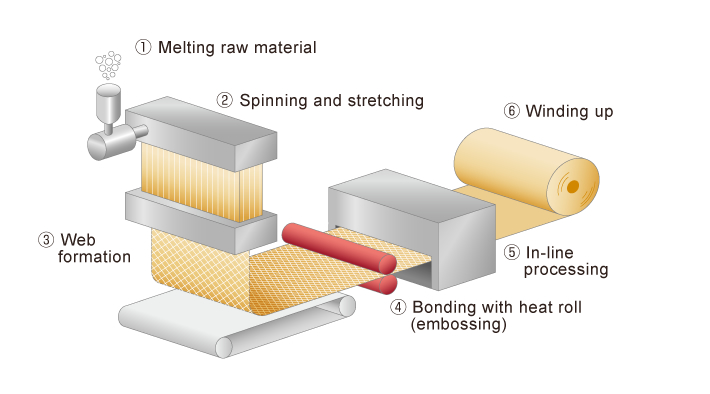
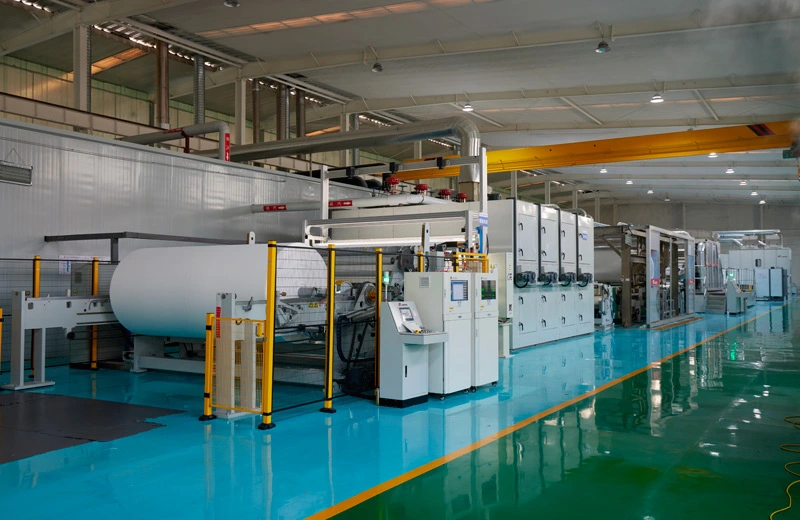

Here’s how dry wipes fabric typically comes to life:
- Fiber selection and blending based on end use
- Web formation using carding or air laying
- Bonding through spunlace, thermal, or chemical methods
- Drying and finishing for texture control
- Slitting, rewinding, and roll packaging
- Quality inspection and compliance testing
The process is engineered to deliver uniform sheets that behave predictably at scale.
Applications of Dry Wipes Non Woven Fabric
Dry wipes are not limited to hygiene. Their use cases keep expanding.
Medical and Healthcare
- Patient cleaning wipes
- Surgical prep wipes
- Hospital housekeeping wipes
Personal Care and Beauty
- Facial cleansing wipes
- Makeup removal wipes
- Salon and spa wipes
Baby and Infant Care
- Dry baby wipes
- Diaper area cleaning wipes
Industrial and Commercial
- Machinery cleaning wipes
- Automotive detailing wipes
- Workshop maintenance wipes
Food Service and Hospitality
- Kitchen cleaning wipes
- Table and surface wipes
Cleanroom and Electronics
- Dust free cleaning wipes
- Precision surface wipes
Dry Wipes vs Wet Wipes Fabric. What’s the Difference?
The base fabric is often similar, but dry wipes fabric is optimized for versatility.
Dry wipes:
- Can be used as is or wetted on demand
- Have longer shelf life
- Avoid preservatives and liquid additives
- Are lighter to transport and store
Wet wipes:
- Pre saturated with solutions
- Require preservatives
- Higher packaging complexity
Many brands start with dry wipes fabric and convert it into wet wipes depending on the market need.
Sustainability and Eco Friendly Trends in Dry Wipes Fabric
This is where the industry is heading fast.
Manufacturers are now focusing on:
- Biodegradable fibers
- Plastic free non woven compositions
- Compostable spunlace fabrics
- Reduced water and energy usage
- FSC and OEKO TEX compliant sourcing
Eco friendly dry wipes are becoming a requirement, not a premium feature.
How to Choose the Right Dry Wipes Non Woven Fabric Supplier
Before finalizing a supplier, ask these questions:
- What bonding technology is used
- Is the fabric dermatologically tested
- Can GSM, width, and blend be customized
- What certifications are available
- Is batch consistency guaranteed
- Can they support large scale supply
A good supplier does not just sell rolls. They understand end use performance.
Final Thoughts
Dry wipes non woven fabric is not a commodity material. It is a performance engineered product that sits at the intersection of hygiene, comfort, and efficiency.
Whether the end application is medical, cosmetic, industrial, or household, the quality of the non woven fabric determines how the wipe performs in real life. As demand for hygiene, convenience, and sustainability grows, dry wipes based on advanced non woven fabrics will continue to dominate global markets.





Dry Wipes Non Woven Fabric. Complete Guide to Materials, Uses, and Manufacturing
Dry wipes made from non woven fabric have quietly become a backbone product across healthcare, hygiene, personal care, and industrial cleaning. You see them in hospitals, salons, baby care, cleanrooms, kitchens, and factories. What makes them powerful is not branding or packaging, but the fabric itself.
Let’s break this down properly. What dry wipes non woven fabric actually is, how it is made, why it outperforms woven alternatives, and how buyers should evaluate quality before sourcing it.
What Is Dry Wipes Non Woven Fabric?
Wipes are commonly made from non woven fabrics, which are produced by bonding fibres together rather than weaving or knitting them. Depending on their intended use, wipes may be manufactured using materials such as spunlace nonwoven fabric, polyester, viscose, polypropylene, wood pulp, or cotton blends. These materials are selected for their softness, absorbency, durability, and cleaning performance.
Dry wipes are typically used as standalone products or later converted into wet wipes by adding solution at the point of use or during packaging.
Why Non Woven Fabric Is Used for Dry Wipes
Here’s the thing. Traditional cotton cloth or paper based wipes cannot match the performance balance that non woven fabric delivers.
Key advantages include:
This is why nearly all modern dry wipes, from surgical wipes to salon wipes, are non woven based.
Common Types of Non Woven Fabric Used for Dry Wipes
Not all non woven fabrics are the same. The performance of a dry wipe depends heavily on the production method.
Spunlace Non Woven Fabric
Spunlace is the gold standard for premium dry wipes.
Fibers are entangled using high pressure water jets, without chemical binders. This creates a fabric that is soft, cloth like, strong, and highly absorbent.
Used in:
Spunbond Non Woven Fabric
Spunbond is thermally bonded and more structured.
It is stronger but less soft compared to spunlace. Often used where durability matters more than softness.
Used in:
Airlaid Non Woven Fabric
Airlaid is made by dispersing fibers in air and bonding them into sheets.
It has excellent bulk and absorbency, making it suitable for heavy liquid uptake.
Used in:
Meltblown Non Woven Fabric
Meltblown is fine fiber based and mainly used when filtration or particle capture is important.
Used in:
Raw Materials Used in Dry Wipes Non Woven Fabric
The choice of fiber directly affects softness, strength, absorbency, and sustainability.
Common fibers include:
Most commercial dry wipes use viscose polyester blends to balance performance and cost.
Key Properties That Define High Quality Dry Wipes Fabric
When evaluating dry wipes non woven fabric, buyers should look beyond GSM and price.
Important performance parameters include:
Low quality fabric may look fine visually but fail during actual wiping or when wet.
Manufacturing Process of Dry Wipes Non Woven Fabric
Here’s how dry wipes fabric typically comes to life:
The process is engineered to deliver uniform sheets that behave predictably at scale.
Applications of Dry Wipes Non Woven Fabric
Dry wipes are not limited to hygiene. Their use cases keep expanding.
Medical and Healthcare
Personal Care and Beauty
Baby and Infant Care
Industrial and Commercial
Food Service and Hospitality
Cleanroom and Electronics
Dry Wipes vs Wet Wipes Fabric. What’s the Difference?
The base fabric is often similar, but dry wipes fabric is optimized for versatility.
Dry wipes:
Wet wipes:
Many brands start with dry wipes fabric and convert it into wet wipes depending on the market need.
Sustainability and Eco Friendly Trends in Dry Wipes Fabric
This is where the industry is heading fast.
Manufacturers are now focusing on:
Eco friendly dry wipes are becoming a requirement, not a premium feature.
How to Choose the Right Dry Wipes Non Woven Fabric Supplier
Before finalizing a supplier, ask these questions:
A good supplier does not just sell rolls. They understand end use performance.
Final Thoughts
Dry wipes non woven fabric is not a commodity material. It is a performance engineered product that sits at the intersection of hygiene, comfort, and efficiency.
Whether the end application is medical, cosmetic, industrial, or household, the quality of the non woven fabric determines how the wipe performs in real life. As demand for hygiene, convenience, and sustainability grows, dry wipes based on advanced non woven fabrics will continue to dominate global markets.