


Contact us
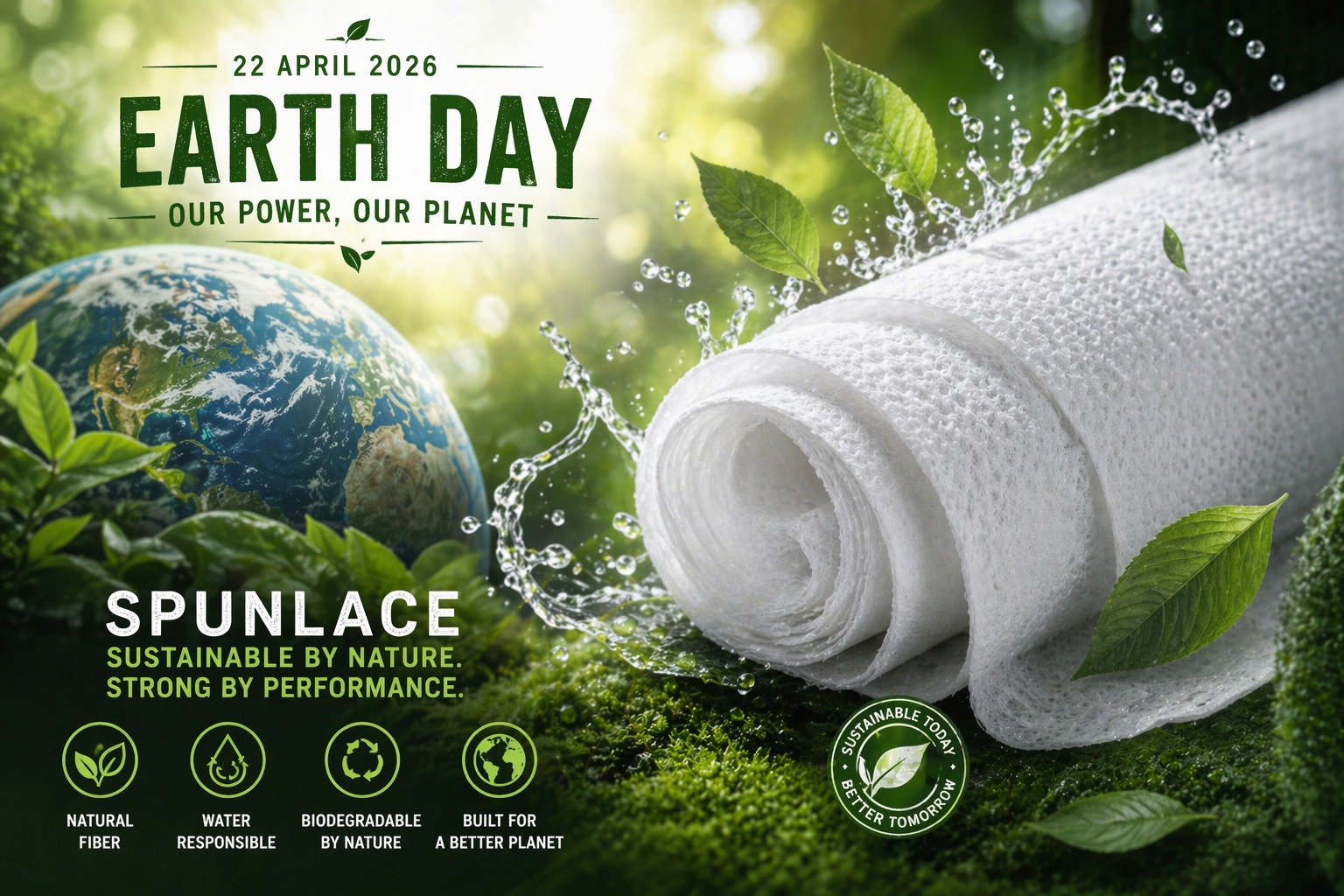
Built for the Planet: How Nonwovens Are Leading the Sustainable Manufacturing Revolution
On World Earth Day 2026, Elixrr explores how pulp-based spunlace nonwovens drive real environmental action. Businesses that transition to certified biodegradable nonwovens today position themselves ahead of a rising demand for a green economy. From zero liquid discharge to FSC-certified fibers, sustainability is embedded in every fiber, every process, and every partnership at Elixrr.
-
Recent Post
-
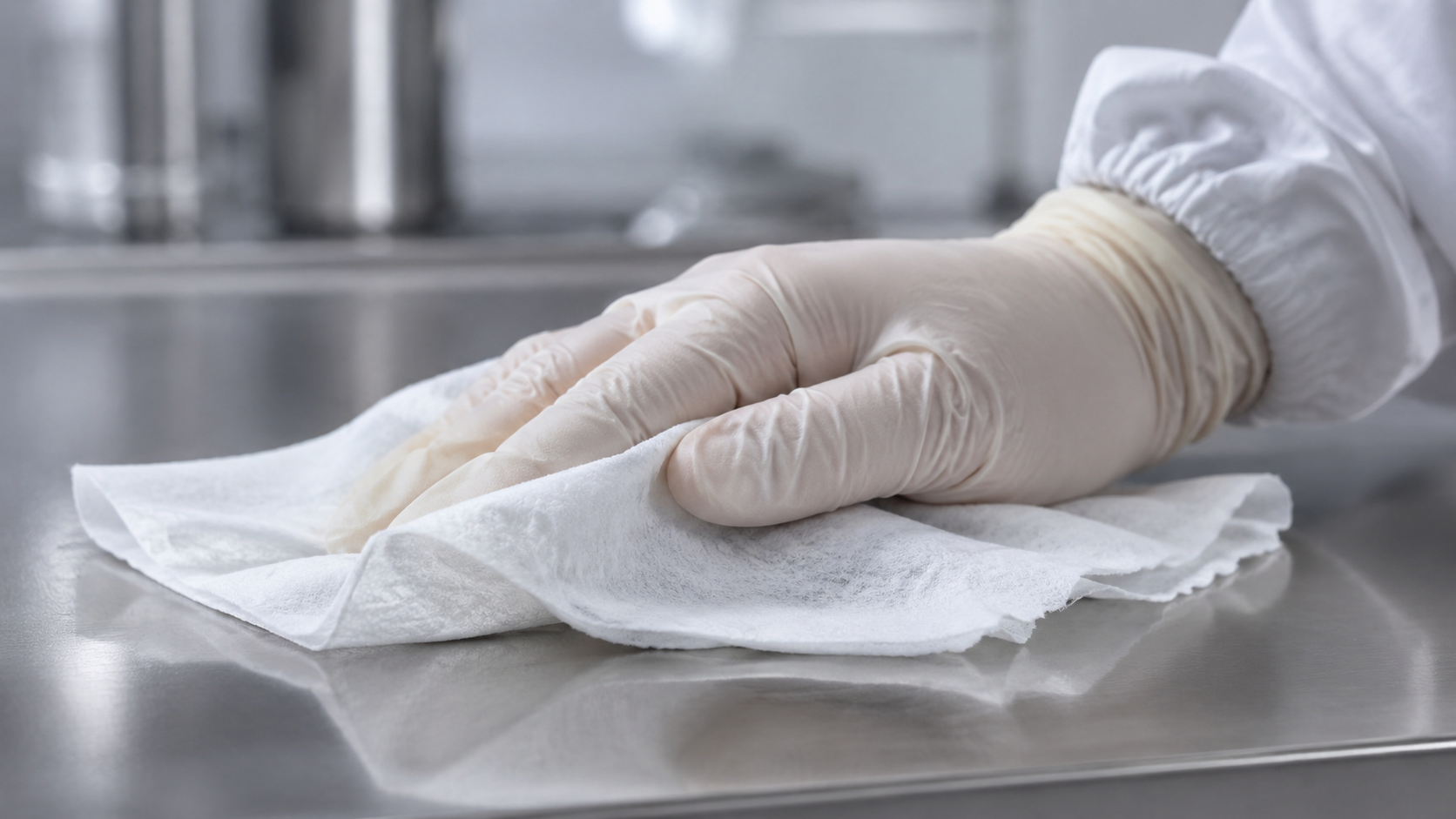
Lint Free Wipes: What Makes Them Different?
In precision cleaning, the wipe you choose can be as critical as the process itself. Lint free wipes
31.05.2026
Read Article -
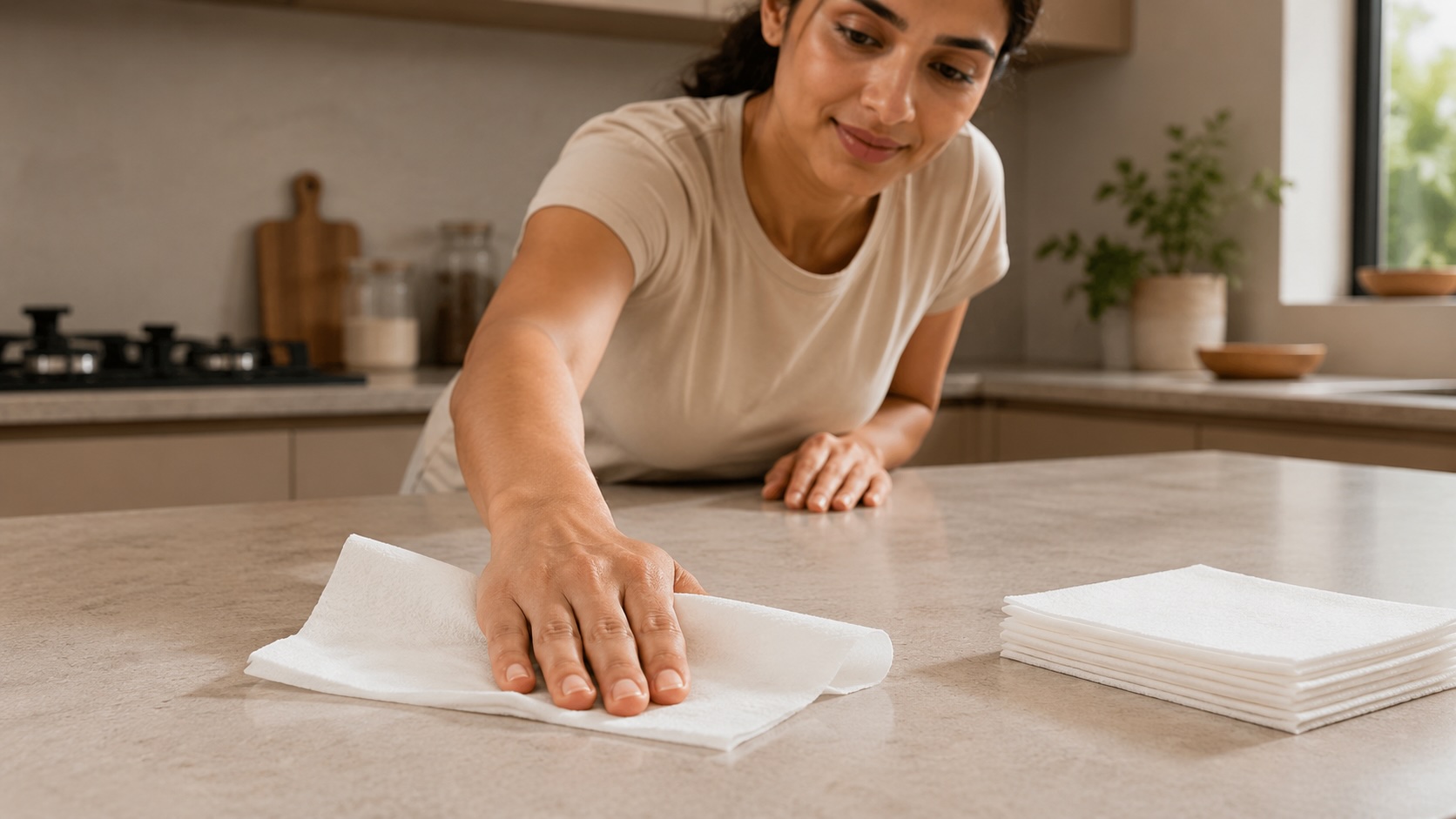
Surface Cleaning Wipes: Material Guide and Applications
Surface cleaning wipes are a hygiene essential across household, healthcare, dental, and industrial
15.05.2026
Read Article -
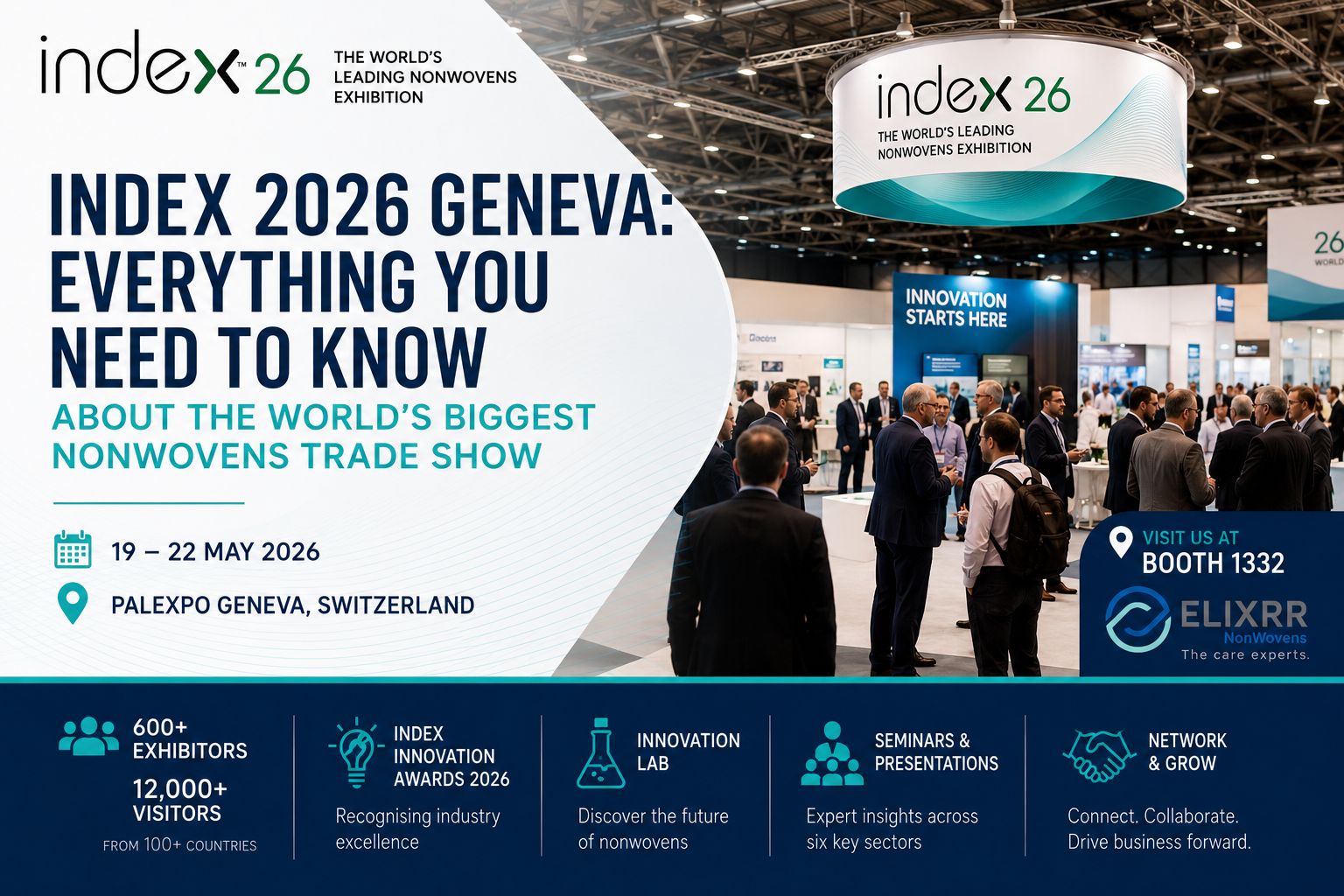
INDEX 2026 Geneva: Everything You Need to Know About the World's Biggest Nonwovens Trade Show
INDEX 2026 is the world's largest nonwovens trade show, held every three years at Palexpo Geneva. Th
05.05.2026
Read Article -
Industrial Wipes: Types and Key Benefits
Every factory floor, workshop, and cleanroom runs on something smaller than it looks: the right wipe
01.05.2026
Read Article -
Non Woven Fabric Manufacturing Process: A Complete Guide to Methods, Materials, and Quality Control
Non woven fabric manufacturing begins with a simple decision: which fiber, which formation method, a
24.04.2026
Read Article -
Spunlace Non Woven Fabric: Applications, Properties, and Performance Guide
There is a good chance you touched spunlace non woven fabric in a facial wipe, a baby care pad, or a
27.04.2026
Read Article -
What Is Non woven Fabric? Types, Uses, and Key Benefits Explained
What is non woven fabric? This question is becoming increasingly relevant as industries move toward
28.04.2026
Read Article -
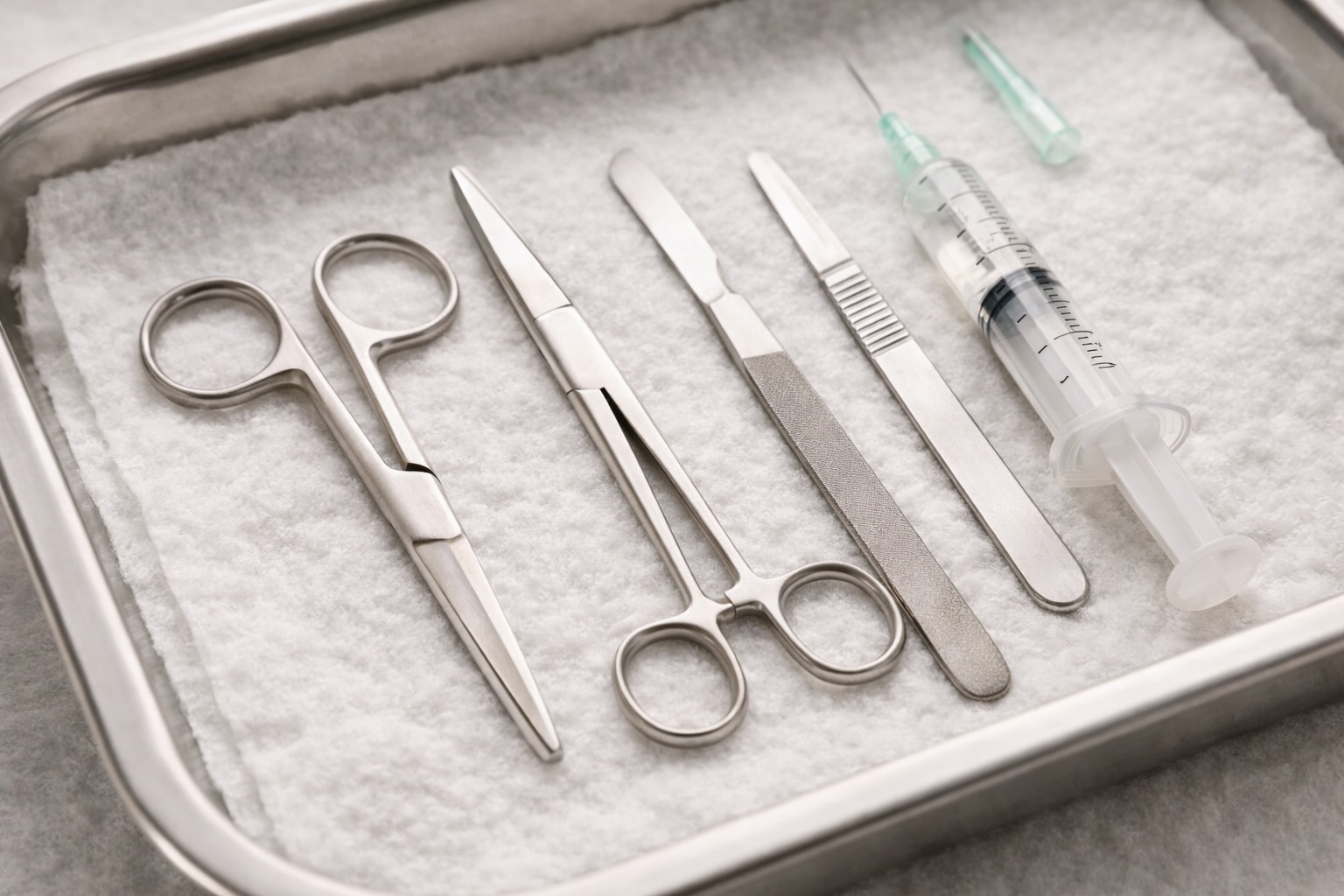
Medical Wipes: Types, Uses & Nonwoven Materials Guide
Medical wipes are specially designed cleaning products that remove germs, bacteria, and contaminants
10.04.2026
Read Article -
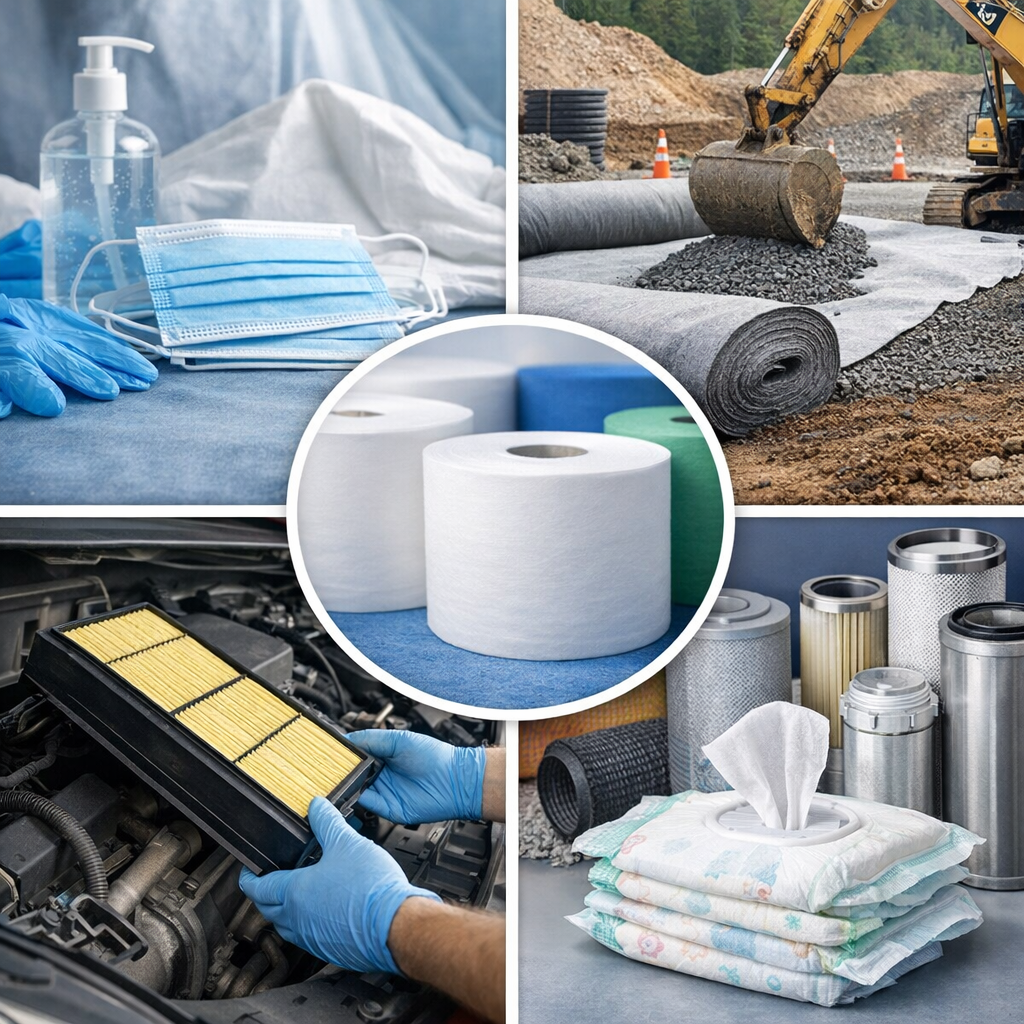
Non Woven Fabric Textile Applications Across Industries: Comprehensive Use Cases
Nonwoven fabrics are widely used across industries for their versatility, cost-effectiveness, and ta
25.03.2026
Read Article -
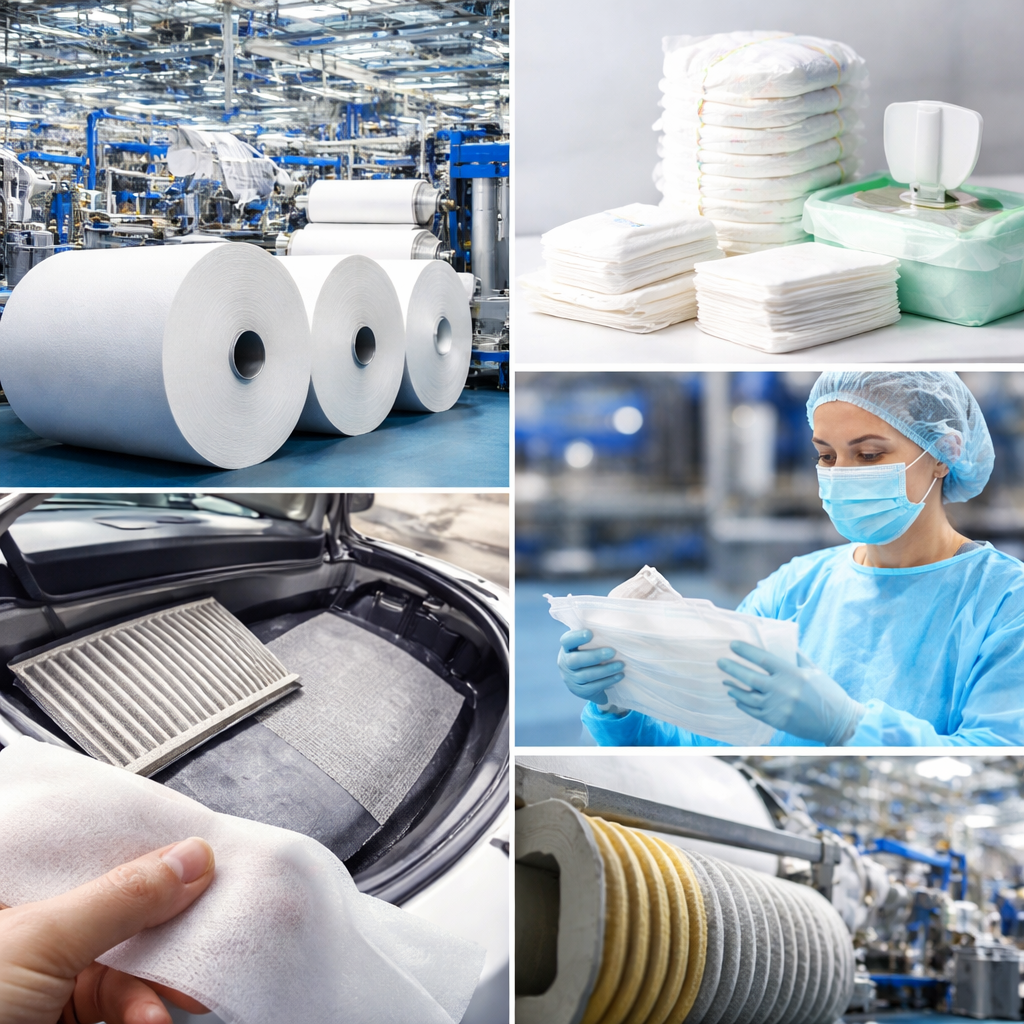
Global Nonwoven Market Trends and Growth Opportunities: 2026 Outlook
The global nonwoven market is expanding rapidly due to strong demand from hygiene, medical, filtrati
18.03.2026
Read Article -
Difference Between Woven and Non-Woven Fabrics: Key Structural, Performance, and Application Differences
Woven and non-woven fabrics differ in how they are made, how they perform, and where they are used.
05.03.2026
Read Article -
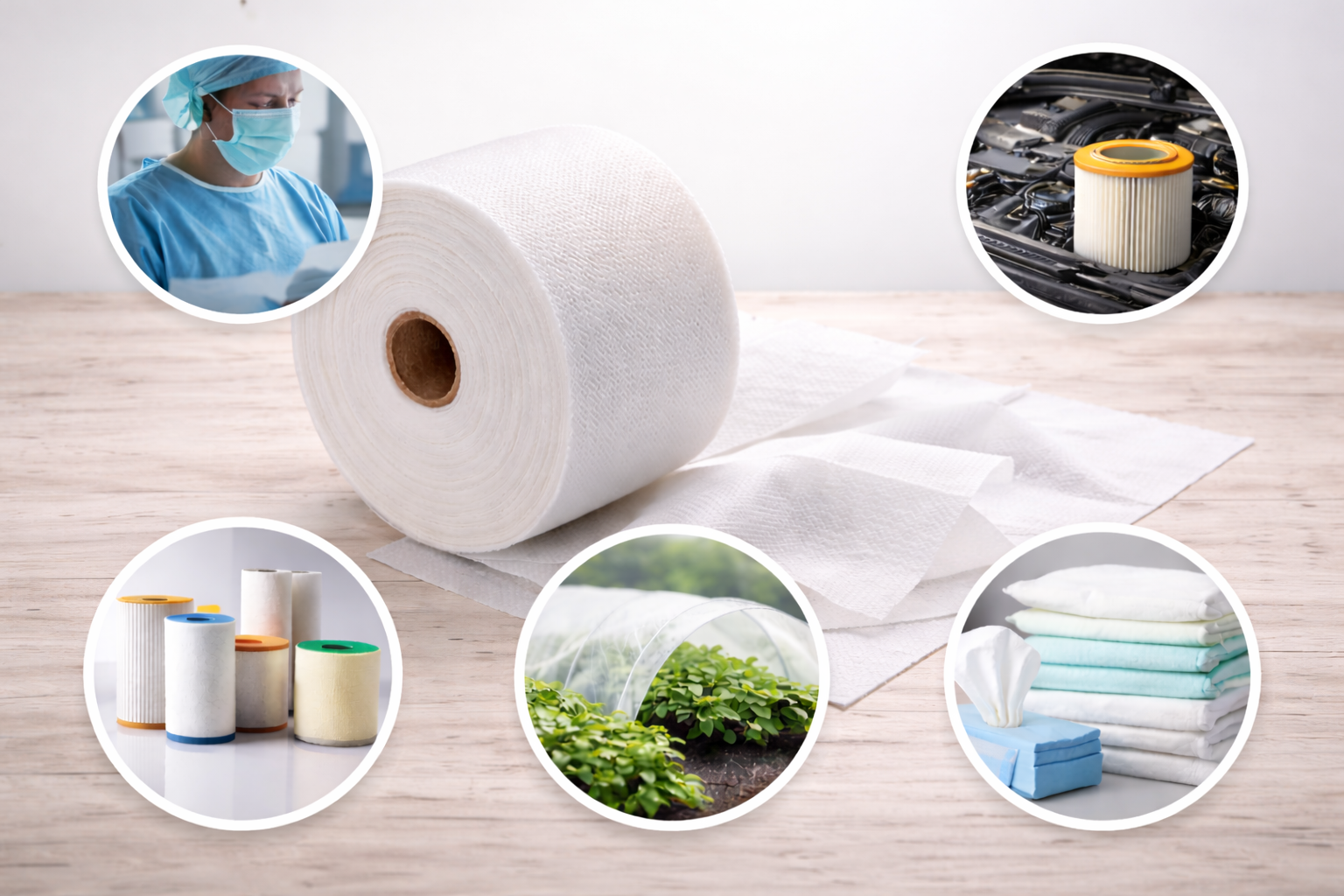
What Are the Uses of Nonwoven Fabric? Practical Applications and Industry Examples
Nonwoven fabrics are versatile materials used across healthcare, hygiene, filtration, automotive, ag
20.02.2026
Read Article -
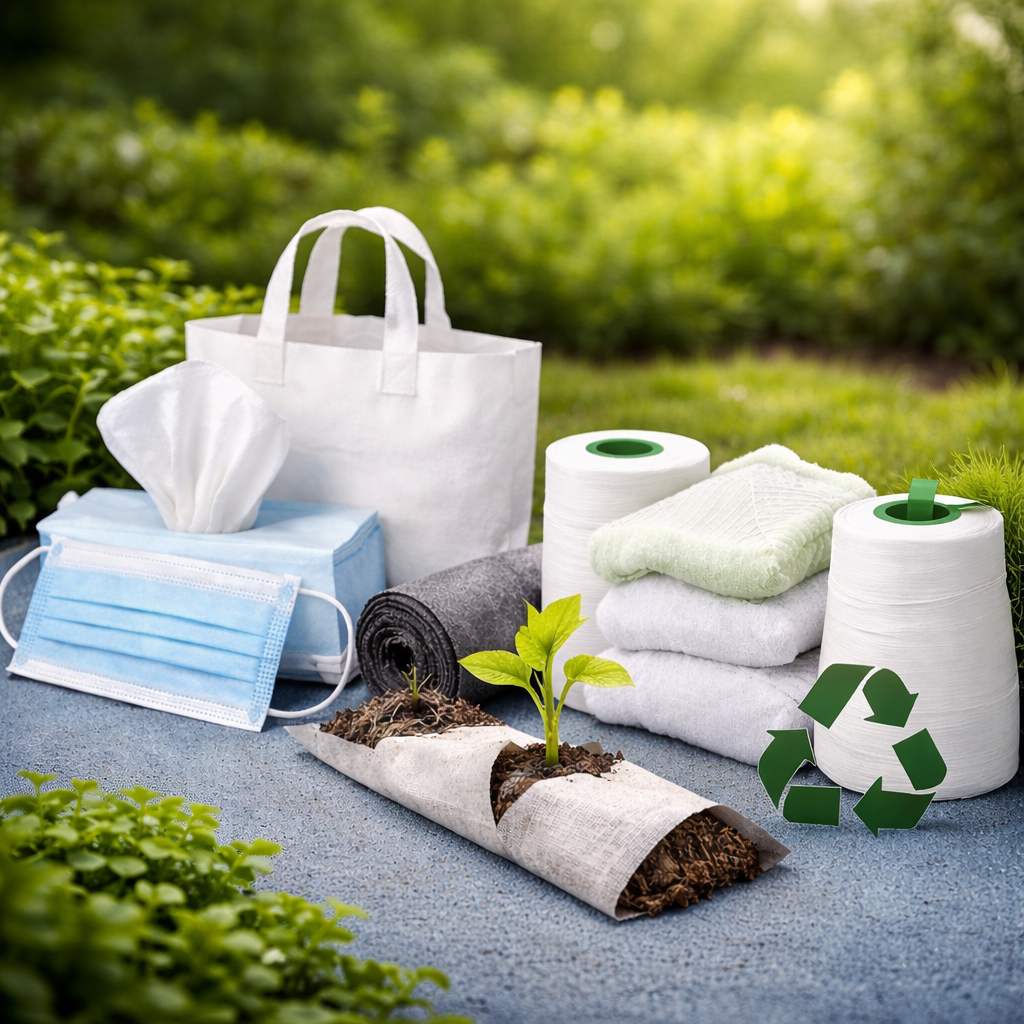
Types of Non-Woven and Their Uses: Applications, Manufacturing Methods, and Industry Examples
Nonwoven fabrics are engineered materials made by bonding fibres rather than weaving them together.
06.02.2026
Read Article -

What Are Biodegradable Materials and Why Do They Matter?
What biodegradable materials are, how they work, real-world examples, and why they are becoming non-
09.01.2026
Read Article -
What is Recyclable Nonwoven Fabric and Why is it Important?
That’s where recyclable nonwoven fabric comes in. It addresses a real problem. High-volume disposa
14.01.2026
Read Article -
Uses of Non Woven Fabric: 15 Practical Applications
Explore the top uses of non woven fabric across medical, hygiene, filtration, automotive, agricultur
11.12.2025
Read Article -
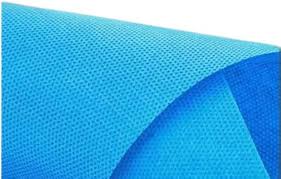
Why Use Nonwovens in Medical and Healthcare?
Nonwovens are used in medical and healthcare because they solve the real constraints of modern care:
15.12.2025
Read Article -
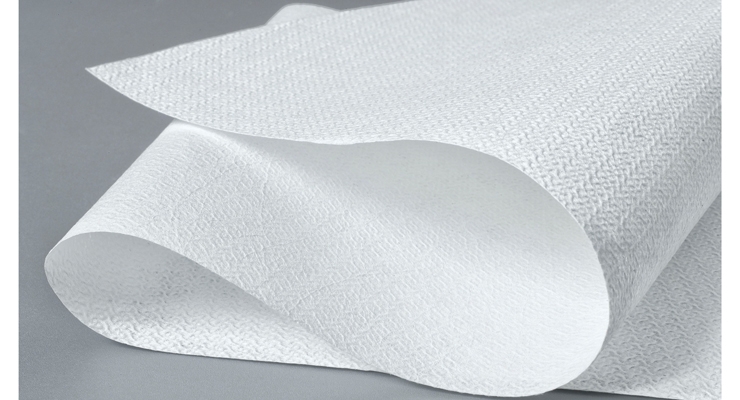
Dry Wipes Non Woven Fabric. Uses, Types and Benefits
Learn what dry wipes non woven fabric is, its types, materials, manufacturing process, applications,
25.12.2025
Read Article -
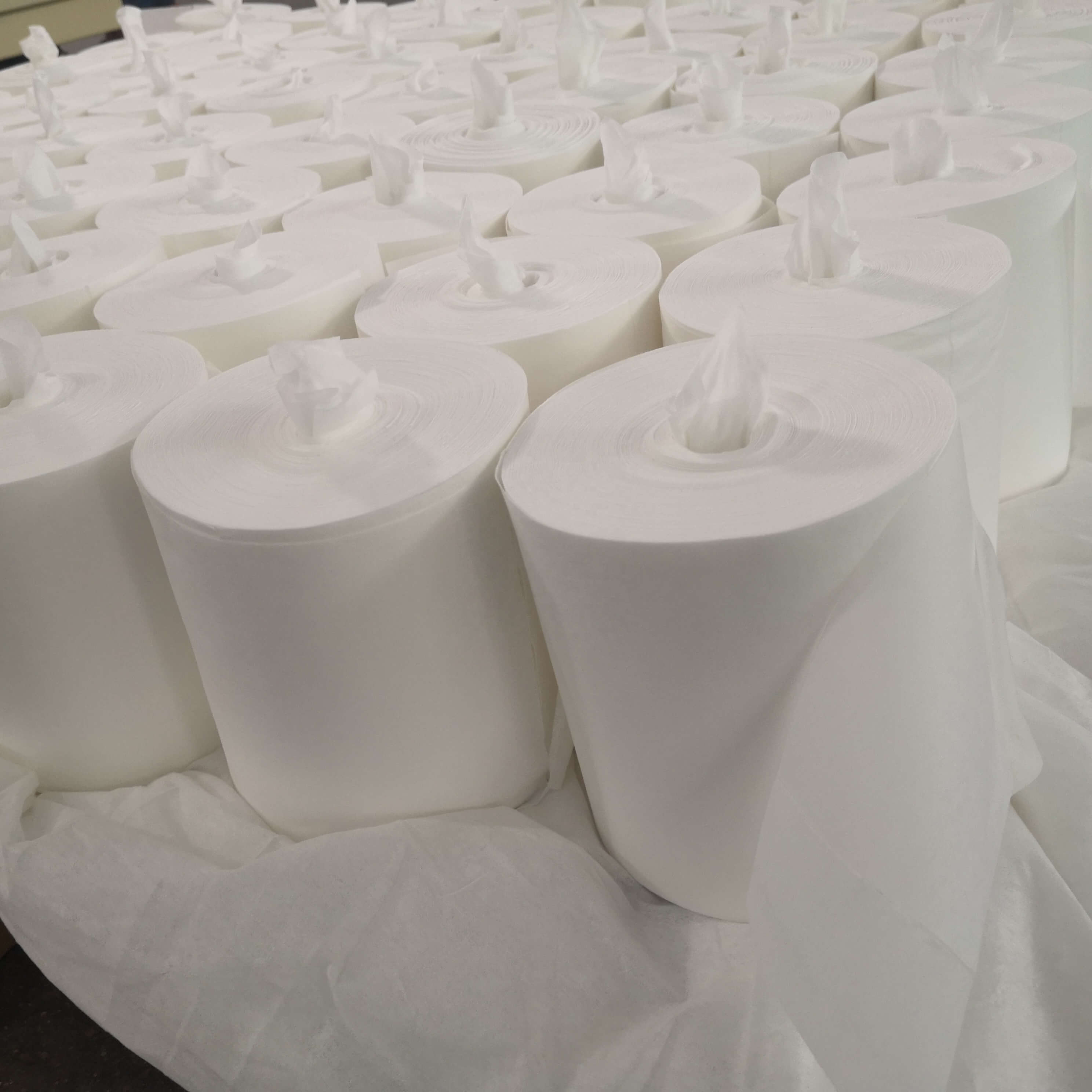
Non Woven Fabric Manufacturer | Top Suppliers & Uses Guide
Looking for a trusted non woven fabric manufacturer? Explore leading global suppliers, including Eli
24.12.2025
Read Article -
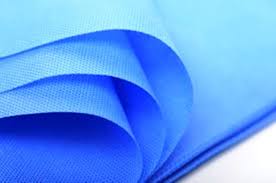
Top 10 Medical Nonwoven Fabric Exporters Trusted by Global Healthcare Brands
Discover the top medical nonwoven fabric exporters trusted worldwide. Explore quality, applications
16.12.2025
Read Article -
Cellulose Based Nonwoven Fabric | Eco Friendly Innovation
Explore the benefits of cellulose-based nonwoven fabric—biodegradable, soft, and sustainable. Idea
19.11.2025
Read Article -
Beautyworld Dubai: Discovering New Opportunities for Elixrr
Exploring innovative trends and partnerships at Beautyworld Dubai, uncovering exciting growth opport
07.11.2025
Read Article -
Green Nonwoven Technology: Sustainable Innovation in Nonwoven Fabrics
Learn how green nonwoven technology uses eco-friendly materials and energy-efficient manufacturing t
30.10.2025
Read Article -
Types of Nonwoven Fabric and Their Uses in 2025
Explore the 7 main types of nonwoven fabric—spunbond, meltblown, spunlace, and more. Learn how eac
28.10.2025
Read Article -

Biodegradable Nonwoven Fabric: The Future of Sustainable Textiles
Biodegradable nonwoven fabrics are reshaping industries with eco-friendly performance and natural de
28.10.2025
Read Article -
Best Non Woven Fabric Manufacturers in India (2025 Edition)
Discover the top 10 non woven fabric manufacturers in India. Explore eco-friendly, high-quality opti
28.10.2025
Read Article -
Top 10 Applications of Non-Woven Fabrics in 2025 — And Why the Market Is Booming
Top 10 Applications of Non-Woven Fabrics in 2025 — And Why the Market Is Booming
20.05.2025
Read Article -

Reinventing Wipes: How Sustainable Nonwovens Are Reshaping the Industry
Elixrr explores how next-generation sustainable nonwovens, from wet-laid spunlace to carded-pulp tec
21.10.2025
Read Article -
Woven Fabric Material Guide: Composition, Types & Common Applications
Explore woven fabric materials—learn their composition, major types, and everyday applications in
09.10.2025
Read Article -
Non Woven Polypropylene Fabric: Uses, Strengths & Comparison with Woven Fabric
Non woven polypropylene (PP) fabric has become one of the most widely used materials across industri
09.10.2025
Read Article -
What Is Knitted Woven Fabric? Types, Techniques & Benefits
Knitted woven fabric is a hybrid textile that blends the structural strength of woven fabrics with t
16.10.2025
Read Article -
Non Woven vs Woven Fabrics: Key Differences & When to Use Each
Non Woven vs Woven Fabrics: Key Differences & When to Use Each
18.09.2025
Read Article -
Non Woven Polypropylene Fabric: Uses, Strengths & Comparison with Woven Fabric
Non Woven Polypropylene Fabric: Uses, Strengths & Comparison with Woven Fabric
19.09.2025
Read Article -
Spunbond Non Woven Fabric: How It’s Made and Where It’s Used
Explore the manufacturing process and applications of spunbond non woven fabric. Learn why it’s wi
11.09.2025
Read Article -
Polyester Non Woven Fabric: Benefits, Properties & Industrial Uses
Discover the benefits and industrial uses of polyester non woven fabric. Learn about its properties,
03.09.2025
Read Article -

What Is Non Woven Fabric? Definition, Manufacturing & Applications
Explore what non woven fabric is, how it’s made, and where it’s used. Learn about its unique pro
04.09.2025
Read Article -

Types of Nonwoven Fabric – A Complete Guide to Nonwoven Fabric
Learn about different types of nonwoven fabrics, their properties, manufacturing methods, and indust
20.05.2025
Read Article -
Redefining the Future of Wipes: Insights from WOW 2025
Elixrr Nonwovens shares key takeaways from WOW 2025, highlighting sustainable innovations, energy-ef
29.07.2025
Read Article -

Sustainability is Elixrr’s Focus at Global Wipes Markets at Wow 2025
Visit the WOW conference and see our proprietary nonwoven wipes fabrics Enduraspun, Ecopun and Softs
03.07.2025
Read Article -

Inside Elixrr: A Conversation with Subir Barman on the Future of Nonwovens and Next-Gen Manufacturing
As the global demand for sustainable, high-performance materials accelerates, Elixrr Nonwovens conti
20.05.2025
Read Article -
Spunlace Nonwoven Fabrics: Explore Characteristics and Benefits
In a world where hygiene, safety, and softness intersect, material science has a quiet hero, spunlac
20.05.2025
Read Article -
PentaTech™ by Elixrr Nonwovens: Pioneering the Future of High-Performance and Sustainable Nonwovens
Innovation in nonwoven materials isn’t optional anymore. It’s what drives progress. As industrie
07.05.2025
Read Article -
Is Non-Woven Fabric Biodegradable? Exploring the Eco-Friendliness of Non-Wovens
Every business is searching for environmentally appropriate substitutes as the globe moves towards s
02.05.2025
Read Article -
What Are Non Woven Fabrics Used For? Key Examples & Features
In an era defined by performance, precision, and sustainability, materials are no longer just passiv
28.04.2025
Read Article -
Is Leather a Non-Woven Fabric? Let’s Unravel the Truth!
Leather embodies luxury, durability, and style. However, in a society increasingly focused on novel
21.04.2025
Read Article -
Can You Heat Press Non-Woven Fabric? A Complete Guide
The textile industry has embraced heat pressing. Adding colourful graphics to cloth banners or perso
18.04.2025
Read Article -
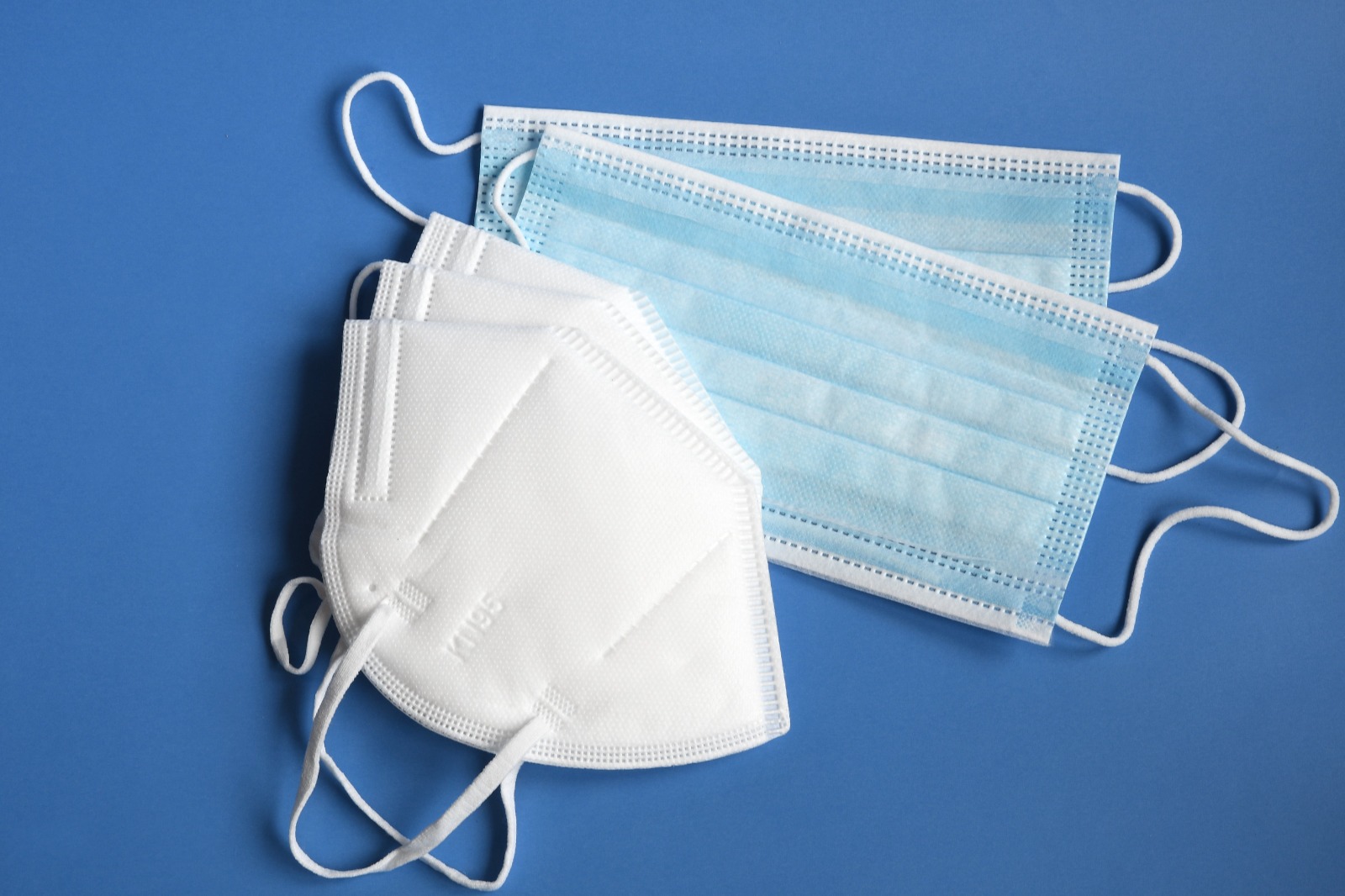
Can Non-Woven Fabric Be Washed? Let’s Unravel the Truth
Non-woven fabrics are used in a variety of applications, including medical masks, reusable shopping
14.04.2025
Read Article -
Non Woven Fabrics Vs Woven Fabrics: Choose the Right Fabric
If you have ever asked yourself why some materials are all about robustness while others are cutting
11.04.2025
Read Article -

Top 10 Non-Woven Fabric Manufacturers in Europe
The non-woven fabric industry has grown significantly in Europe, driven by the demand for high-quali
27.06.2025
Read Article -

Non-Woven Fabric: Moisture Absorption, Properties & Uses
When it comes to fabric selection, understanding the properties of different materials is essential,
04.04.2025
Read Article -

Types of Fabric: A Beginner Comprehensive Fabric Guide | 2025
Fabrics are the foundation of countless industries and everyday life, influencing everything from th
31.03.2025
Read Article -

What are Non-Woven fabrics?
India has always had a rich relationship with textiles. From the fine muslin that adorned royalty to
28.03.2025
Read Article
-
Explore Recent Blogs
Lint Free Wipes: What Makes Them Different?
In precision cleaning, the wipe you choose can be as critical as the process itself. Lint free wipes
Read More
Surface Cleaning Wipes: Material Guide and Applications
Surface cleaning wipes are a hygiene essential across household, healthcare, dental, and industrial
Read More
INDEX 2026 Geneva: Everything You Need to Know About the World's Biggest Nonwovens Trade Show
INDEX 2026 is the world's largest nonwovens trade show, held every three years at Palexpo Geneva. Th
Read More
Industrial Wipes: Types and Key Benefits
Every factory floor, workshop, and cleanroom runs on something smaller than it looks: the right wipe
Read More

Weave Your Success with Our Revolutionary Fabrics
Power your business with Elixrr's cutting-edge nonwoven fabric solutions. Eco-friendly, customizable, and engineered for excellence—because innovation starts with the right foundation.

On World Earth Day 2026, Elixrr explores how pulp-based spunlace nonwovens drive real environmental action. Businesses that transition to certified biodegradable nonwovens today position themselves ahead of a rising demand for a green economy. From zero liquid discharge to FSC-certified fibers, sustainability is embedded in every fiber, every process, and every partnership at Elixrr.
Key Takeaways
Why Sustainability Starts at the Fiber Level?
Every year on April 22, the world gathers for Earth Day. It is the planet's largest civic moment: over one billion people, 193 countries, one shared question. Are we doing enough?
The theme for World Earth Day 2026 is “Our Power, Our Planet.” It arrives at a moment of genuine urgency. Announced by EARTHDAY.ORG as a rallying cry for communities and organisations to reclaim their voice in the environmental story, the theme carries a pointed message for industry: progress does not wait for policy. It is built, product by product, process by process, fiber by fiber.
For the nonwovens industry, that message lands with particular weight. Nonwoven fabrics are everywhere: hospitals and homes, cars and construction sites, in every wipe, hygiene product, and filtration system that modern life depends on. That ubiquity is an opportunity. When the materials at the foundation of so many products become more sustainable, the ripple effects are enormous.
But sustainability in nonwovens does not begin at the finished product. It begins at the fiber level; in the choice of raw material, the design of the manufacturing process, and what happens to it at the end of its life.
At Elixrr, that question is not a footnote. It is the starting point.
Why Sustainability is Transforming Modern Manufacturing?
The shift towards sustainable manufacturing has moved beyond idealism. It is driven by regulation, reshaped by consumer expectations, and increasingly demanded by buyers in a rapidly growing green economy.
The Regulatory Push
Governments are acting. The EU Single-Use Plastics Directive has restricted a wide range of synthetic disposables. The EU Green Claims Directive now requires independent verification before any environmental claim reaches the market. Extended Producer Responsibility schemes across Asia-Pacific and India are making manufacturers financially accountable for end-of-life outcomes.
Consumer Demand for Sustainable Products
Consumers are acting too. The Ellen MacArthur Foundation has shown that the linear take-make-dispose model is incompatible with a functioning green economy, and buyers have internalised that. Eco-friendly credentials are no longer a premium differentiator; they are a baseline expectation.
The Rise of Eco-Friendly Nonwovens
Into this environment of regulatory pressure and consumer demand, eco-friendly nonwovens have moved from the edges of the market to its center. Nonwovens made with natural, cellulose-based, and certified renewable fibers offer manufacturers a path to compliance, credibility, and competitive advantage.
How Non Woven Fabrics Enable Sustainable Manufacturing?
Non woven fabrics are well-suited to sustainable manufacturing because of the flexibility in how they are made. (For structural context, see our guide on the difference between woven and non-woven fabrics.)
Resource-Efficient Production
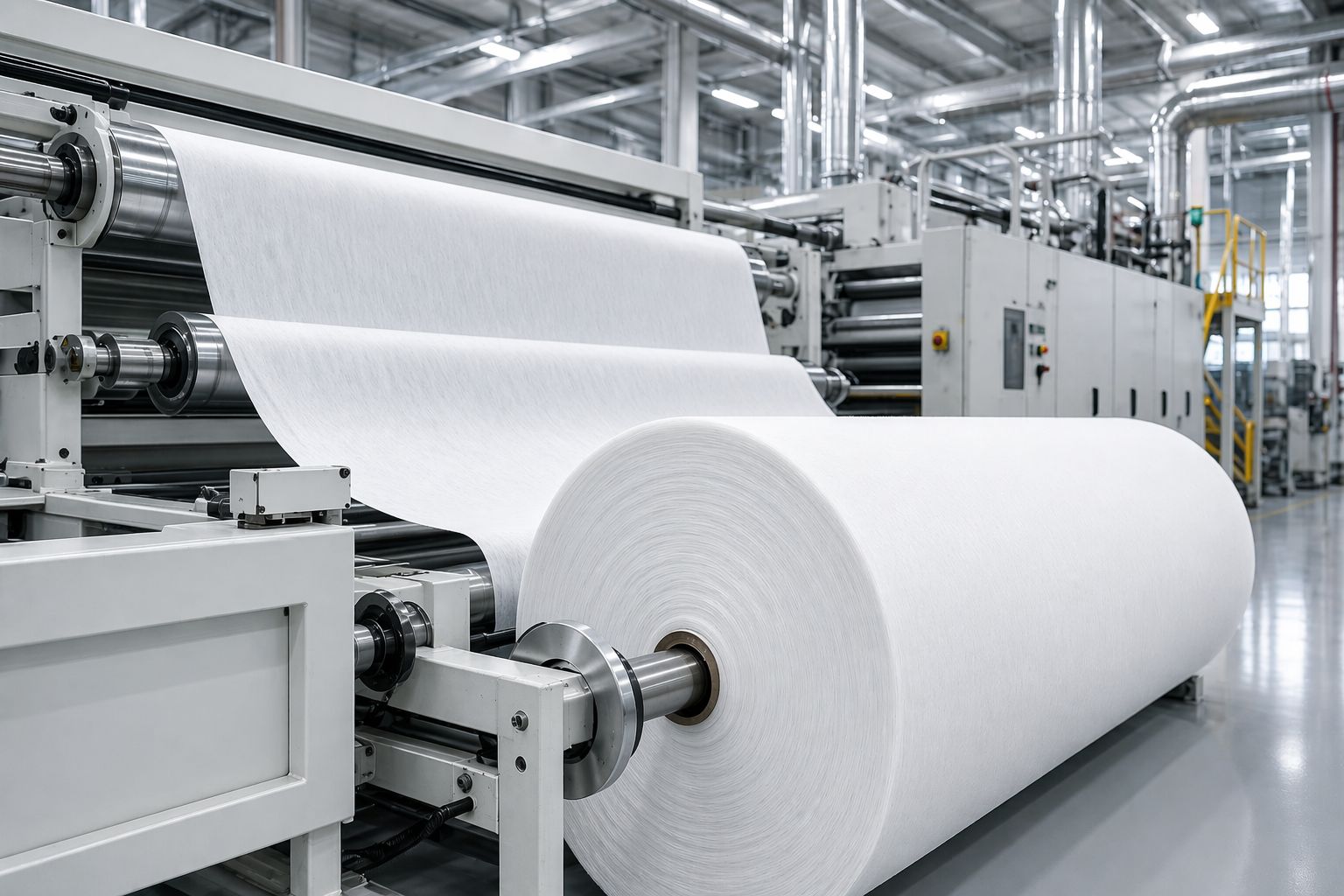
Sustainability in manufacturing is about both what a product is made of and how it is made. Modern spunlace nonwoven (hydroentanglement) manufacturing bonds using high-pressure water jets, replacing adhesives, binders, and chemicals that add both cost and environmental burden. When produced in facilities like Elixrr's LEED-certified plant with closed-loop water systems, the result is a production process with lower chemical inputs, reduced energy intensity, and water recycling.
Rise of Biodegradable Nonwoven Materials
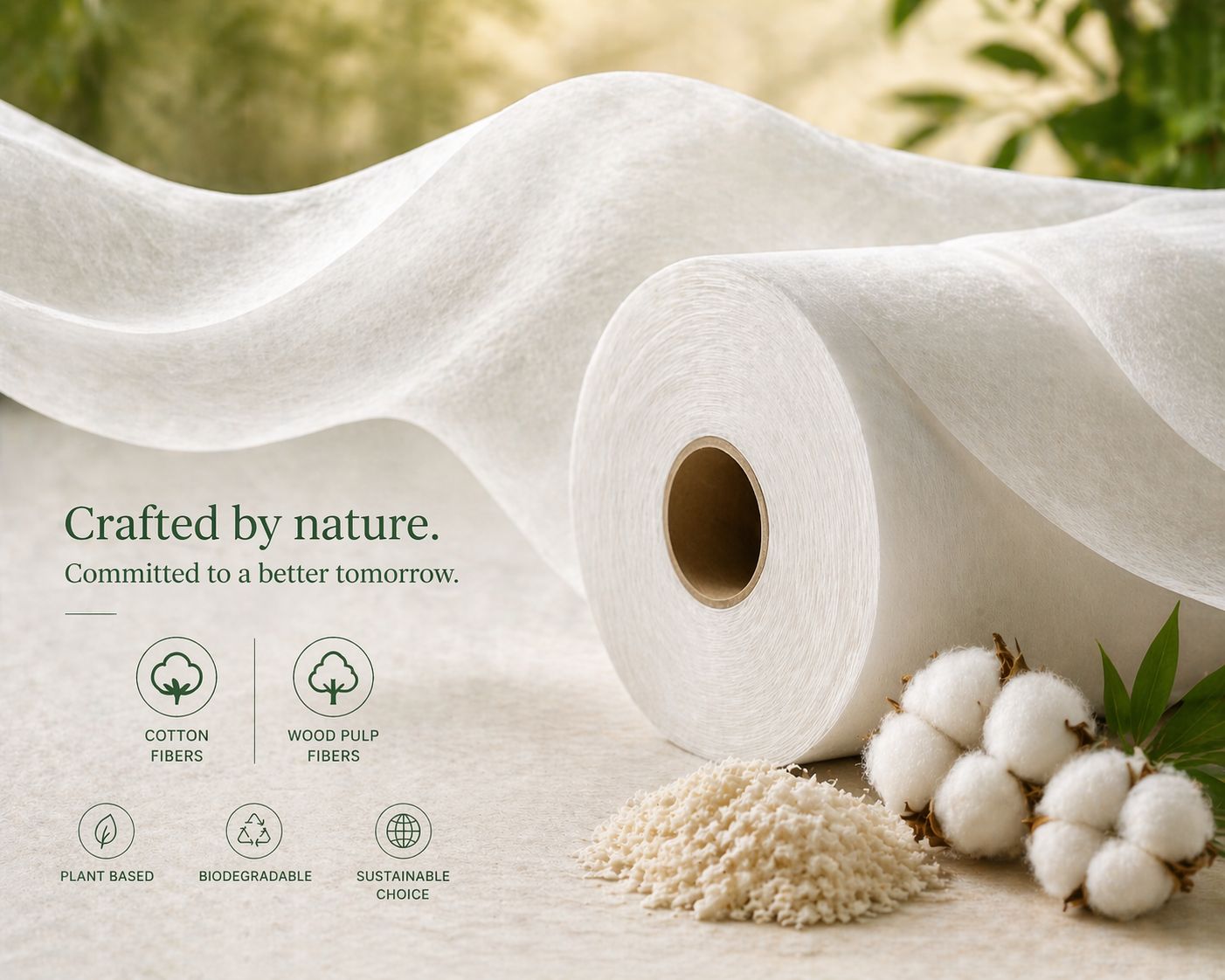
The most significant shift in nonwoven material science is the move towards cellulose-based and compostable fiber blends. Wood pulp, lyocell, and other responsibly sourced plant-based fibers are replacing or complementing synthetic polymers in spunlace, airlaid, and other nonwoven architectures. A biodegradable nonwoven made from FSC or PEFC certified wood pulp doesn't accumulate in landfills or contribute to microplastic pollution.
Critically, this is not a performance compromise: pulp-rich spunlace delivers competitive absorbency, softness, and tensile strength across demanding applications.
Lightweight Design and Reduced Carbon Footprint
Sustainability extends beyond the factory gate. A lighter non woven substrate means more units per pallet, more pallets per container, fewer container movements per tonne of finished product delivered. At industrial volumes, these efficiencies translate into significant Scope 3 emission reductions. This makes lightweight, biodegradable nonwovens a genuine, auditable contribution to decarbonisation targets.
Key Applications of Eco-Friendly Nonwoven Solutions
The versatility of eco-friendly nonwoven solutions is one of the strongest arguments for accelerating the transition away from synthetic alternatives.
Medical Wipes and Healthcare Textiles
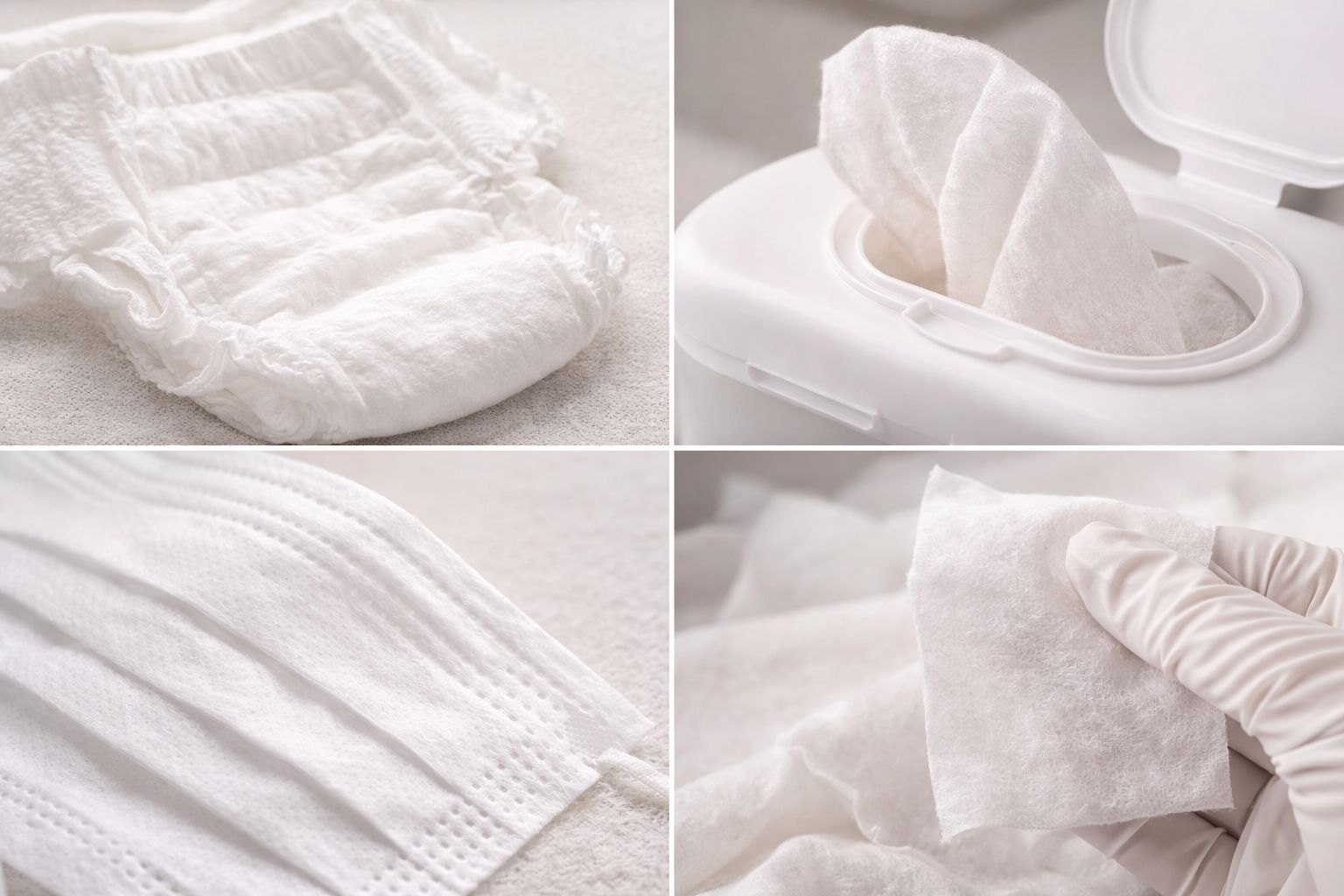
In clinical settings, infection control is non-negotiable. Medical wipes must meet stringent barrier, absorbency, and sterility standards. Elixrr's medical-grade spunlace substrates offer the performance that healthcare requires while incorporating the biodegradable fibre content that responsible procurement increasingly demands.
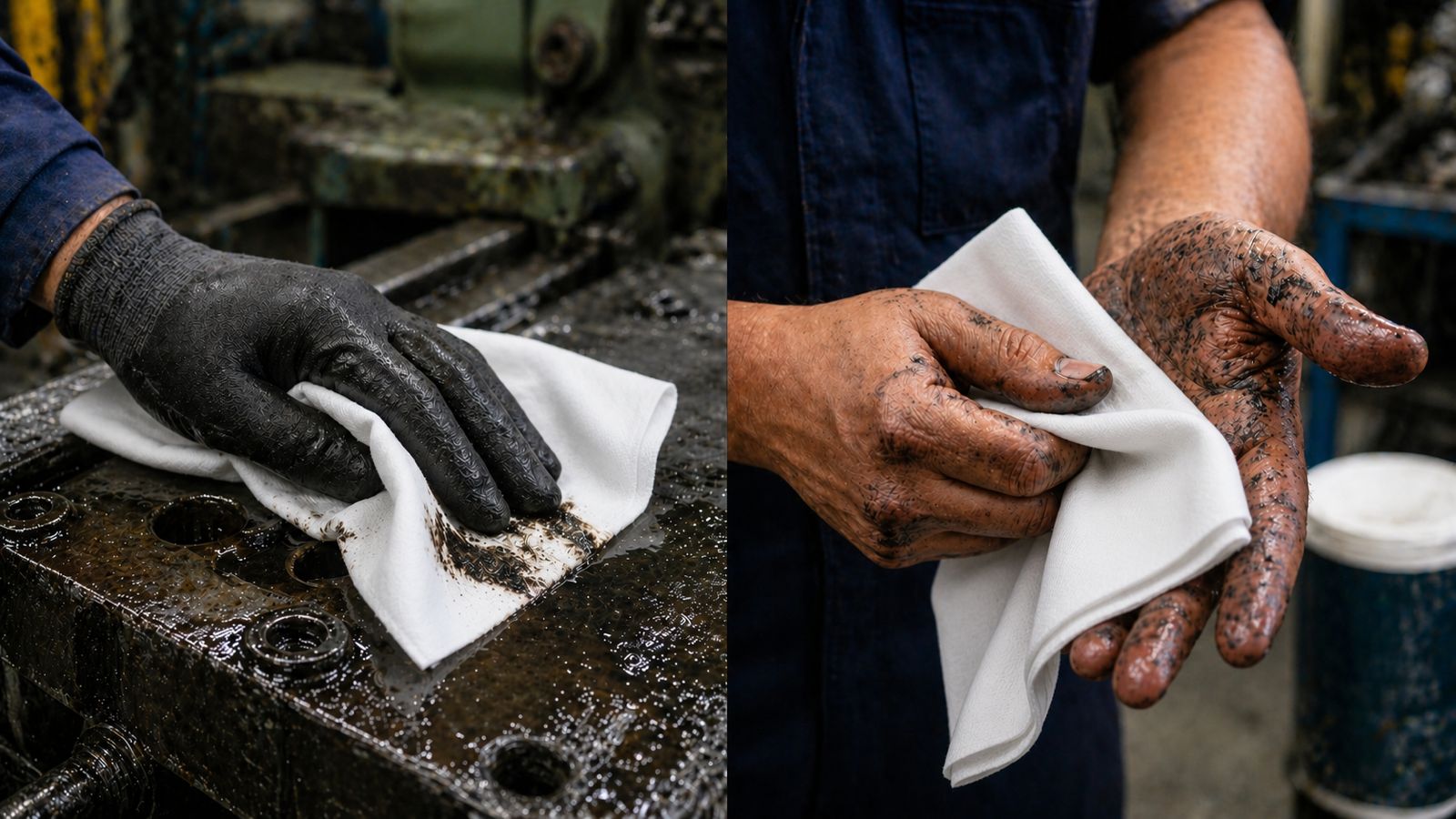
Industrial Wipes
Heavy-duty cleaning, surface preparation, and equipment maintenance in manufacturing, automotive, and food-processing environments generate enormous wipe consumption. Elixrr's industrial wipes substrates combine the tensile strength needed for tough tasks with the natural fibre content that supports waste reduction goals. For industrial buyers navigating ESG reporting requirements, transitioning to biodegradable spunlace nonwoven substrates is one of the most direct routes to measurable, documented environmental improvement.
Personal Care and Baby Wipes
Consumer awareness of sustainability has never been higher. Parents choosing wipes for their children are increasingly reading labels, demanding transparency, and selecting products that align with their values around sustainable living. Elixrr's personal care spunlace substrates give brand owners the eco-credentials their customers are asking for, without compromising on the softness and gentleness that baby-care applications demand.
Packaging, Automotive, and Construction
Beyond wipes, biodegradable nonwoven fibers are replacing plastic in industrial packaging, reducing vehicle weight in automotive interiors, and supporting green building standards in geotextile applications.
The business case is consistent across sectors: function without the environmental permanence of synthetic alternatives.
Industry Trends Driving Sustainability in Nonwovens
The sustainability signals converging on the nonwovens industry are coming from every direction. For a full market view, our global nonwoven market trends and growth outlook for 2026 covers the landscape in detail.
Plastic Wipes Bans: Legislative action against synthetic single-use wipes is accelerating across jurisdictions. The EU's framework has set a precedent that regulators in the UK, India, and across Asia-Pacific are actively studying and adapting to. Brands that move early gain positioning; those that wait face mandated reformulation under competitive pressure.
Techtextil and Industry Innovation: Global nonwovens events, including Techtextil and INDEX, have seen a marked shift towards sustainability-led innovation over recent cycles. Exhibitions are now dominated by sustainability credentials, such as lifecycle analysis, compostability testing, and certified sourcing of raw materials.
Multi-Functional and Smart Materials: The next generation of multi-functional materials is not just less harmful; it is actively designed to biodegrade into nutrients, eliminate secondary processing steps, and sequester carbon at the fiber sourcing stage. Multi-functionality is the new frontier of sustainable nonwoven design, and it is where the most significant innovations are being developed.
Elixrr's Commitment to Sustainability in Every Fiber
For Elixrr, sustainability is not a response to external pressure. It is the reason the company builds the way it builds. Elixrr's sustainability approach rests on three commitments.
Innovation and R&D
Elixrr's product development is anchored in pulp-based spunlace using biodegradable, FSC and PEFC certified wood pulp bonded without chemical binders. R&D extends beyond fiber blends into surface engineering, functional treatments, and substrate architecture, always maintaining the biodegradable core that makes the product genuinely, not superficially, sustainable. Explore Elixrr's innovation pipeline.
Sustainable Production
Elixrr's LEED-certified facility runs a Zero Liquid Discharge (ZLD) system. Every litre of process water is recovered through reverse osmosis and multi-effect evaporation and cycled back into production. FSC and PEFC certifications provide independently audited fiber traceability. ISO 14001:2015 governs environmental management across all operations. These commitments are verified, not claimed.
Future-Focused Positioning
Elixrr is building for 2030 and beyond, where biodegradable substrates will be the baseline and traceability will be contractual. The investments being made now in ZLD, FSC sourcing, and next-generation biodegradable substrates are not compliance costs. They are durable competitive advantages.
The Future of Sustainability in Non Woven Fabrics
The trajectory of the nonwovens industry is pointing in one direction: towards a circular, resource-responsible model in which materials are designed from the outset for their full lifecycle.
Circular Economy Integration
The concept of a circular economy is moving toward an operational reality in the nonwovens sector. Cellulose-based nonwovens are naturally suited to the biological cycle: fibers derived from certified forests, formed into functional fabrics, used purposefully, and composted or biodegraded back into the nutrient cycle.
Scalable Eco-Solutions
The most important word in the sustainability conversation for industrial materials is "scalable." The future of sustainable nonwovens is in making certified, biodegradable, renewable-fiber fabrics available at the volumes, specifications, and price points that global supply chains require.
Long-Term Industry Transformation
The nonwovens industry will be transformed when the entire architecture of the industry, from fiber sourcing, manufacturing processes, supply chain logistics, to product design, and end-of-life systems, has been rebuilt around regenerative principles. The manufacturers, brands, and procurement leaders who are making intentional choices now are the architects of tomorrow's green economy.
Building a Sustainable Future, One Fiber at a Time
World Earth Day 2026 will pass. But the regulatory, commercial, and environmental pressures reshaping this industry do not follow a calendar.
Sustainability in nonwoven manufacturing is a direction to pursue. Every choice made in that direction is a brick in the foundation of an industry genuinely built for the planet. Our Power, Our Planet is not borrowed language at Elixrr. It is how the company operates every day.
If your business is ready to align its nonwoven sourcing with the standards the market and the planet are demanding, the conversation starts here. Explore Elixrr's product range or learn more about our sustainability approach.
Frequently Asked Questions
1. What makes non woven fabrics sustainable?
Non woven fabrics support sustainability by using fewer resources such as water and energy during production. Their efficient manufacturing process reduces waste, and innovations like biodegradable nonwoven materials further enhance their environmental benefits.
2. Are non woven fabrics eco-friendly?
Yes, many non woven fabrics are designed as eco-friendly nonwoven solutions. They can be made from recyclable or renewable materials and are increasingly developed to meet sustainability standards across industries.
3. What is biodegradable nonwoven fabric?
Biodegradable nonwoven fabric is made from materials that naturally decompose over time, such as cellulose-based fibers. These fabrics help reduce environmental impact and are an important part of sustainable manufacturing.
4. How do non woven fabrics reduce environmental impact?
Non woven fabrics reduce environmental impact by minimizing resource consumption, lowering emissions during production, and enabling lightweight designs that reduce transportation carbon footprints.
5. Why are non woven fabrics used in sustainable manufacturing?
Non woven fabrics are widely used in sustainable manufacturing because they offer a balance of performance, cost efficiency, and sustainability. Their adaptability allows industries to replace less eco-friendly materials.
6. What industries use eco-friendly nonwoven materials?
Eco-friendly nonwoven materials are used in healthcare, personal care, automotive, construction, and packaging industries, where sustainability and performance are both critical.
7. How is sustainability shaping the nonwoven industry?
Sustainability is driving innovation in the nonwoven industry, leading to the development of biodegradable nonwoven products, recyclable materials, and energy-efficient manufacturing processes.
8. Are non woven wipes sustainable?
Non woven wipes can be sustainable when made from biodegradable or recyclable materials. With increasing regulations like plastic wipes bans, manufacturers are shifting toward eco-friendly nonwoven alternatives.