Green Nonwoven Technology: Sustainable Innovation in Nonwoven Fabrics
30.10.2025
Learn how green nonwoven technology uses eco-friendly materials and energy-efficient manufacturing to create sustainable, biodegradable fabrics for a greener future.
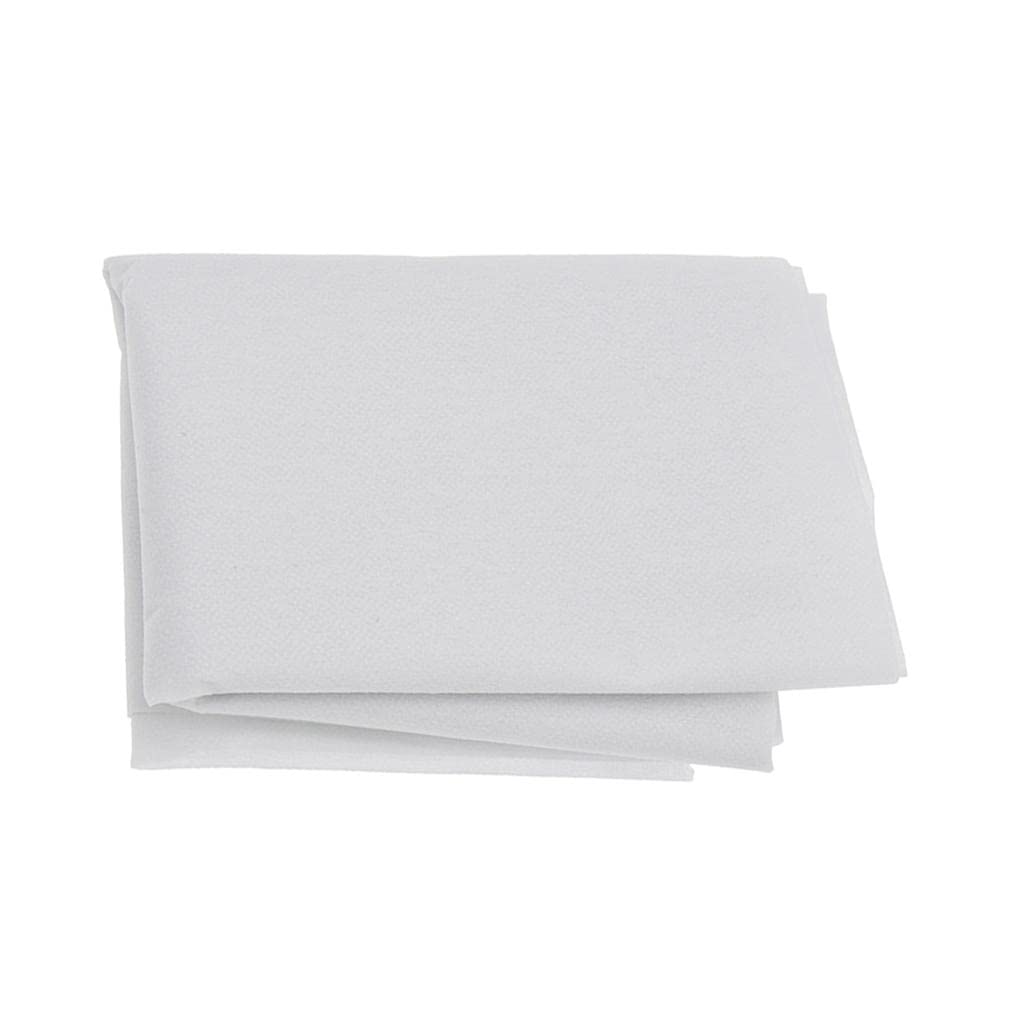
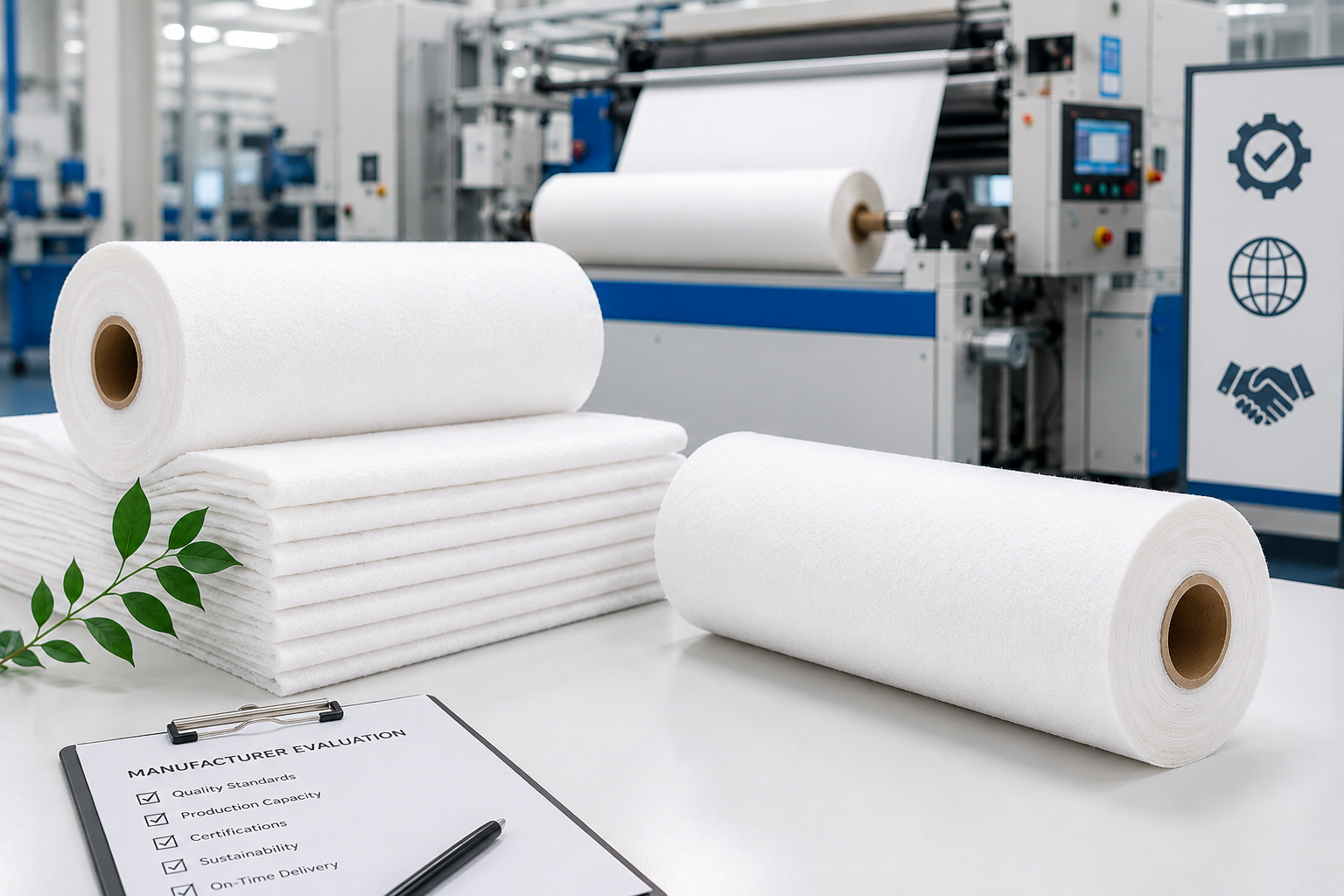
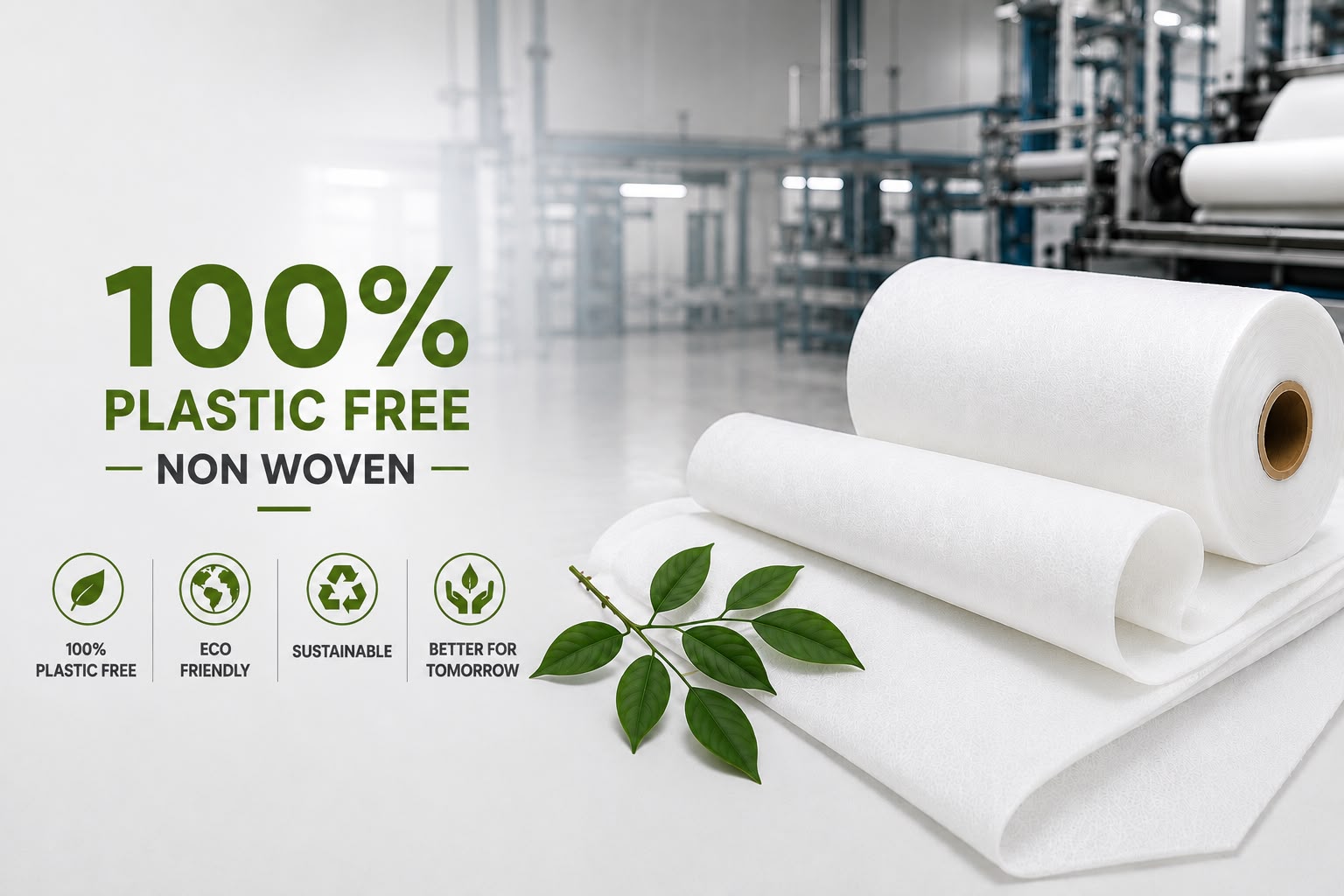
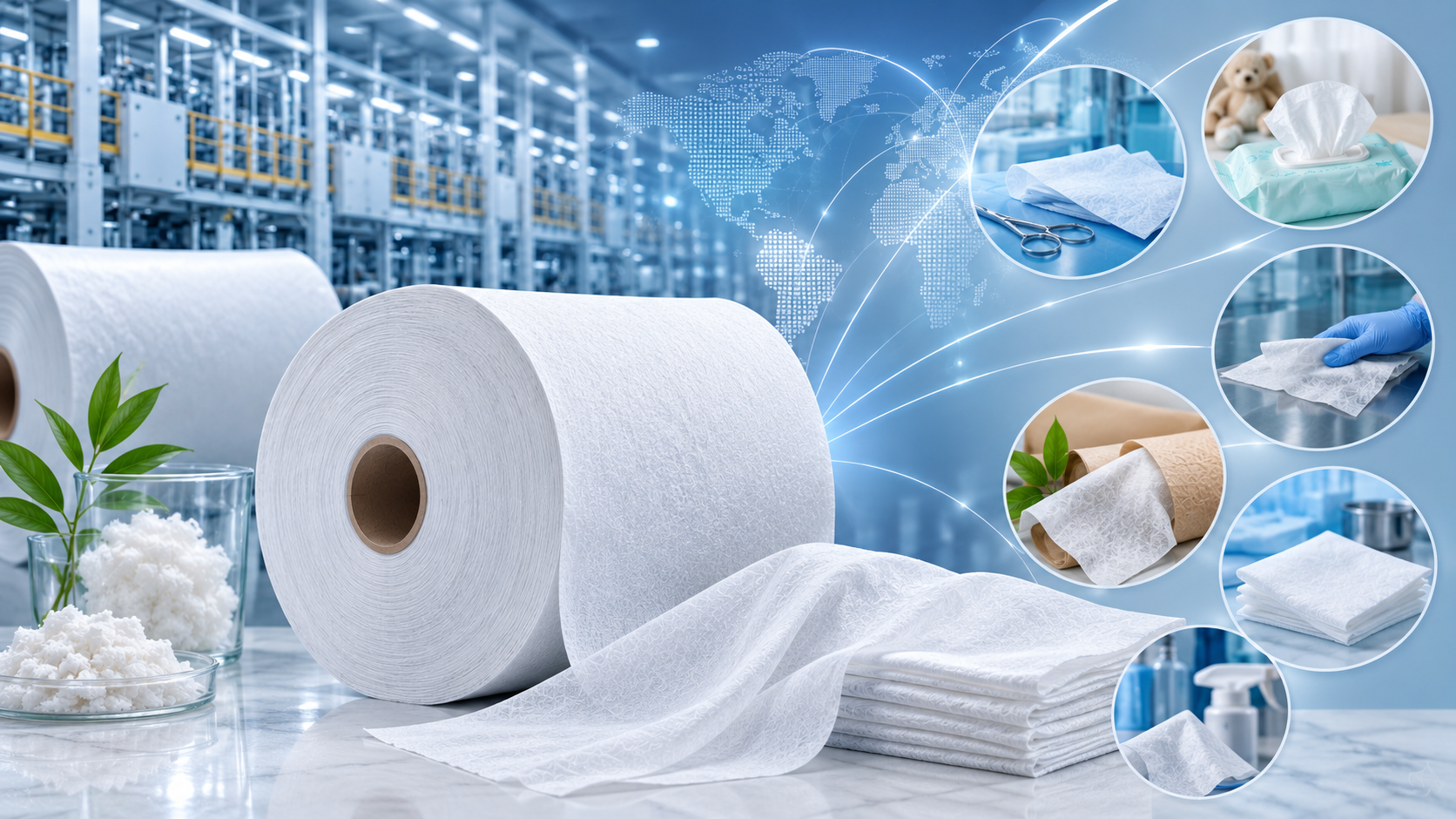
Green nonwoven technology refers to the process of manufacturing nonwoven fabrics using eco-friendly fibers, recyclable polymers, and energy-efficient methods that reduce environmental impact. This technology plays a vital role in driving the textile industry toward sustainability through biodegradable materials, renewable energy use, and reduced carbon emissions.
What is Green Nonwoven Technology?
Green nonwoven technology is a sustainable approach to producing nonwoven fabrics that focuses on minimizing waste, conserving energy, and using renewable or biodegradable raw materials. The green manufacturing process of nonwoven fabrics includes recycling polypropylene (PP) or polyester (PET) and using natural fibers like bamboo, jute, and organic cotton to create products that decompose faster and leave a smaller carbon footprint.
Green nonwoven technology reduces the use of harmful chemicals and promotes closed-loop production systems that recycle process water and post-consumer waste into new fabrics.
Why is Green Nonwoven Technology Important?
Green nonwoven technology is important because it supports global sustainability goals and helps textile manufacturers reduce environmental pollution. Traditional nonwoven production relies on petroleum-based polymers and energy-intensive processes. Green alternatives help reduce:
- Carbon emissions by using renewable resources
- Water consumption through dry-laid and melt-blown processes
- Plastic waste via recyclable or biodegradable fibers
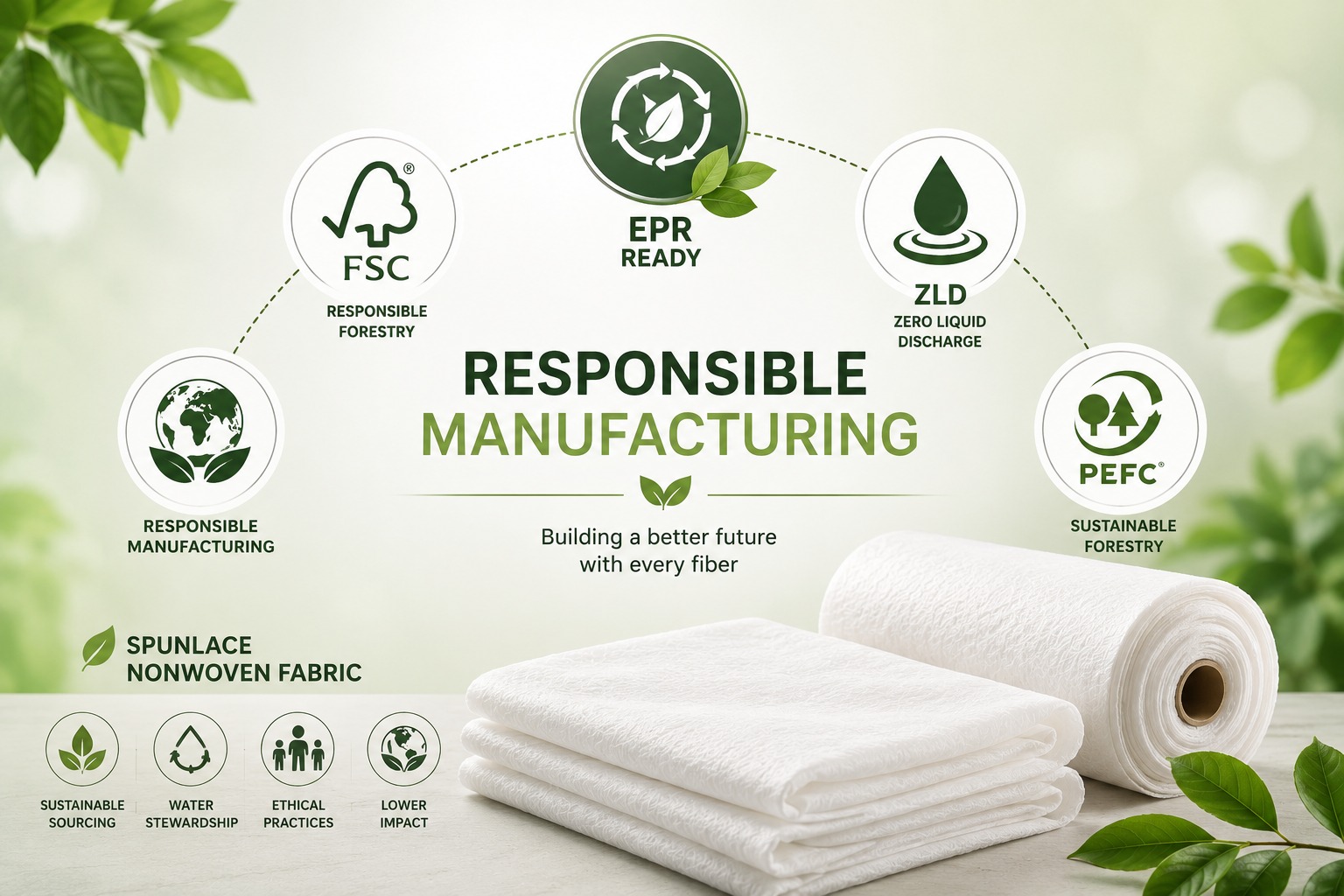
The importance of green nonwoven technology also lies in its ability to meet eco-label certifications such as OEKO-TEX®, GRS (Global Recycled Standard), and ISO 14001, which ensure the fabric’s environmental and human safety compliance.
What are the Main Types of Green Nonwoven Materials?
There are five main types of green nonwoven materials, classified based on their source and sustainability:
- Biodegradable Nonwovens – Made from PLA (polylactic acid) derived from corn starch, bamboo fiber, or viscose. These decompose naturally without releasing toxins.
- Recycled Nonwovens – Produced from post-consumer PET bottles or industrial waste fibers. These reduce landfill waste and carbon emissions.
- Natural Fiber Nonwovens – Created from jute, hemp, cotton, and banana fibers, offering breathability and strength.
- Bio-based Polymer Nonwovens – Use polymers like PHA (polyhydroxyalkanoate) and PBS (polybutylene succinate) sourced from plant-based oils.
- Water-Soluble Nonwovens – Designed for medical and hygiene applications, these dissolve safely in water, reducing disposal issues.
How Does Green Nonwoven Technology Work?
Green nonwoven technology works by combining mechanical, thermal, or chemical bonding methods that reduce environmental impact. The sustainable manufacturing process involves:
- Material Selection – Use of bio-based polymers or recycled fibers instead of virgin plastics.
- Energy Optimization – Integration of solar, wind, or waste-heat recovery systems during production.
- Closed-Loop Systems – Recycling of process water and fabric scraps into the production cycle.
- Low-Emission Bonding – Application of hydroentangling (spunlace) or needle-punching techniques that eliminate harmful adhesives.
- Eco-Friendly Finishing – Use of plant-based dyes and coatings instead of solvent-based finishes.
Through these methods, the process ensures high fabric performance while maintaining eco-integrity.
What are the Key Advantages of Green Nonwoven Technology?
The five key advantages of green nonwoven technology make it an industry game-changer:
- Reduces Environmental Footprint – Lowers CO₂ emissions and minimizes waste generation.
- Improves Resource Efficiency – Saves up to 40% energy and 60% water compared to conventional methods.
- Enhances Biodegradability – Enables fabrics to decompose within 90–180 days under composting conditions.
- Supports Circular Economy – Promotes material reuse and recycling across the supply chain.
- Increases Market Competitiveness – Aligns with rising global demand for eco-friendly and certified products.
What are the Applications of Green Nonwoven Fabrics?
Green nonwoven fabrics are widely used across six major industries:
- Hygiene Products: Baby diapers, wet wipes, and sanitary pads made from PLA or bamboo fiber.
- Medical Textiles: Surgical gowns, masks, and drapes produced from biodegradable polymers.
- Agriculture: Mulch fabrics and seed blankets that decompose after use.
- Automotive: Recycled PET felt used in car interiors and insulation.
- Home Furnishing: Eco-cushioning, mattress covers, and filtration fabrics.
- Packaging: Compostable bags and wrapping alternatives replacing plastic films.
These applications demonstrate how green nonwoven fabrics combine performance with environmental responsibility.
How is the Green Nonwoven Industry Growing?
The global green nonwoven market is growing rapidly due to sustainability mandates and consumer awareness. According to industry reports, the market size is projected to exceed USD 12.5 billion by 2030, growing at a CAGR of over 8%. The strongest growth drivers include:
- Government bans on single-use plastics
- Demand for compostable packaging and hygiene products
- Corporate sustainability initiatives
- Technological advancements in fiber engineering
Companies like Elixrr Nonwovens, Freudenberg Performance Materials, and Avgol are investing heavily in R&D to produce bio-based, recyclable, and high-performance nonwoven materials for global markets.
What Challenges Does Green Nonwoven Technology Face?
Despite its advantages, green nonwoven technology faces three main challenges:
- High Production Costs – Bio-based polymers and recycling technologies are still costlier than virgin materials.
- Limited Material Availability – Sourcing consistent-quality natural fibers at scale remains difficult.
- Lack of Global Standardization – The absence of unified eco-label standards complicates certification and compliance across regions.
However, continuous innovation in polymer chemistry and sustainable supply chains is expected to overcome these barriers.
What is the Future of Green Nonwoven Technology?
The future of green nonwoven technology lies in smart materials, AI-driven production, and circular design models. Emerging trends include:
- Nanofiber-based biodegradable composites for medical and filtration applications
- AI-optimized recycling systems that separate and repurpose fibers automatically
- Bioengineered polymers derived from algae and food waste
- Digital twin monitoring for energy optimization in nonwoven production lines
By 2035, most nonwoven production lines are expected to adopt carbon-neutral and fully recyclable frameworks, making sustainable fabrics the industry norm.
Conclusion
Green nonwoven technology is transforming the textile industry by aligning innovation with environmental stewardship. Through biodegradable materials, energy-efficient systems, and circular manufacturing, it creates fabrics that protect both the planet and people. As sustainability becomes non-negotiable, adopting green nonwoven processes will define the next generation of textile manufacturing.





Green nonwoven technology refers to the process of manufacturing nonwoven fabrics using eco-friendly fibers, recyclable polymers, and energy-efficient methods that reduce environmental impact. This technology plays a vital role in driving the textile industry toward sustainability through biodegradable materials, renewable energy use, and reduced carbon emissions.
What is Green Nonwoven Technology?
Green nonwoven technology is a sustainable approach to producing nonwoven fabrics that focuses on minimizing waste, conserving energy, and using renewable or biodegradable raw materials. The green manufacturing process of nonwoven fabrics includes recycling polypropylene (PP) or polyester (PET) and using natural fibers like bamboo, jute, and organic cotton to create products that decompose faster and leave a smaller carbon footprint.
Green nonwoven technology reduces the use of harmful chemicals and promotes closed-loop production systems that recycle process water and post-consumer waste into new fabrics.
Why is Green Nonwoven Technology Important?
Green nonwoven technology is important because it supports global sustainability goals and helps textile manufacturers reduce environmental pollution. Traditional nonwoven production relies on petroleum-based polymers and energy-intensive processes. Green alternatives help reduce:
The importance of green nonwoven technology also lies in its ability to meet eco-label certifications such as OEKO-TEX®, GRS (Global Recycled Standard), and ISO 14001, which ensure the fabric’s environmental and human safety compliance.
What are the Main Types of Green Nonwoven Materials?
There are five main types of green nonwoven materials, classified based on their source and sustainability:
How Does Green Nonwoven Technology Work?
Green nonwoven technology works by combining mechanical, thermal, or chemical bonding methods that reduce environmental impact. The sustainable manufacturing process involves:
Through these methods, the process ensures high fabric performance while maintaining eco-integrity.
What are the Key Advantages of Green Nonwoven Technology?
The five key advantages of green nonwoven technology make it an industry game-changer:
What are the Applications of Green Nonwoven Fabrics?
Green nonwoven fabrics are widely used across six major industries:
These applications demonstrate how green nonwoven fabrics combine performance with environmental responsibility.
How is the Green Nonwoven Industry Growing?
The global green nonwoven market is growing rapidly due to sustainability mandates and consumer awareness. According to industry reports, the market size is projected to exceed USD 12.5 billion by 2030, growing at a CAGR of over 8%. The strongest growth drivers include:
Companies like Elixrr Nonwovens, Freudenberg Performance Materials, and Avgol are investing heavily in R&D to produce bio-based, recyclable, and high-performance nonwoven materials for global markets.
What Challenges Does Green Nonwoven Technology Face?
Despite its advantages, green nonwoven technology faces three main challenges:
However, continuous innovation in polymer chemistry and sustainable supply chains is expected to overcome these barriers.
What is the Future of Green Nonwoven Technology?
The future of green nonwoven technology lies in smart materials, AI-driven production, and circular design models. Emerging trends include:
By 2035, most nonwoven production lines are expected to adopt carbon-neutral and fully recyclable frameworks, making sustainable fabrics the industry norm.
Conclusion
Green nonwoven technology is transforming the textile industry by aligning innovation with environmental stewardship. Through biodegradable materials, energy-efficient systems, and circular manufacturing, it creates fabrics that protect both the planet and people. As sustainability becomes non-negotiable, adopting green nonwoven processes will define the next generation of textile manufacturing.