


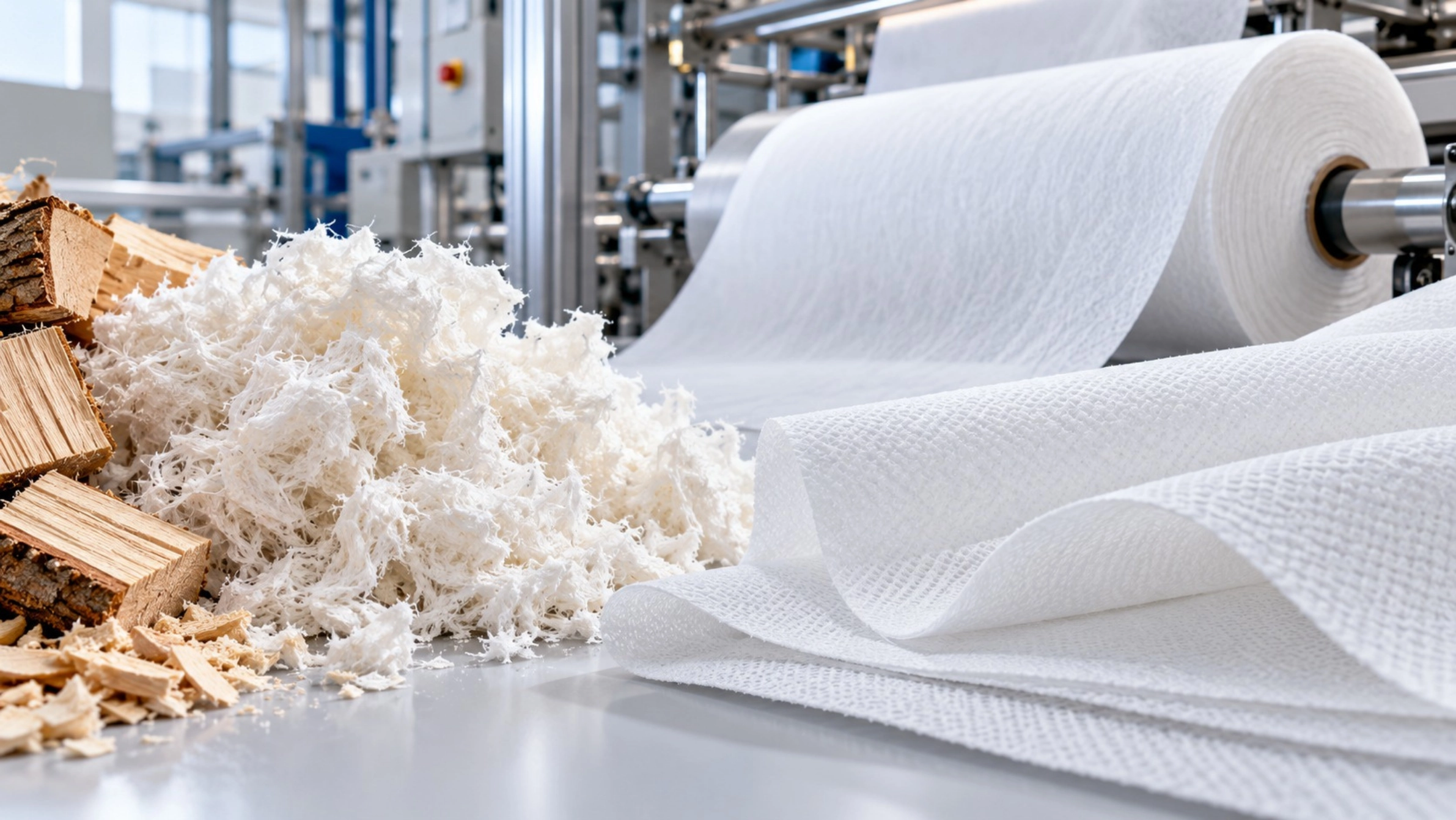
How Wood Pulp Content Affects Wipe Absorbency, Strength and Texture
A cleaning wipe looks like a plain sheet of fabric, but what it’s made from decides how it behaves. Some wipes soak up liquid fast and then fall apart when wet. Others hold together well but don’t retain much liquid
-
Recent Post
-
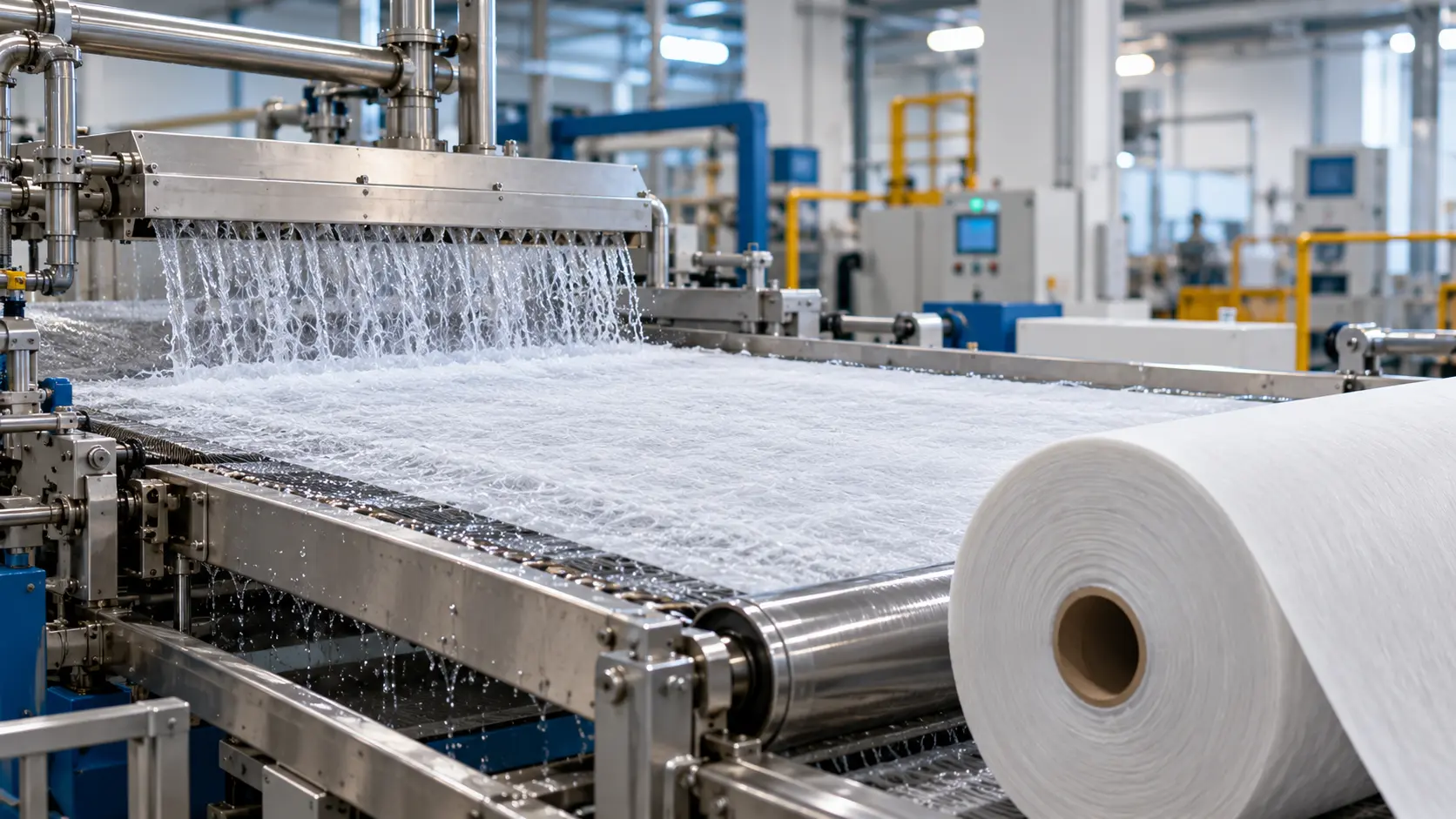
What Is Wetlaid Nonwoven Fabric? Process & Uses
Wetlaid nonwoven fabric is an engineered material manufactured by dispersing fibres in water to crea
03.11.2026
Read Article -
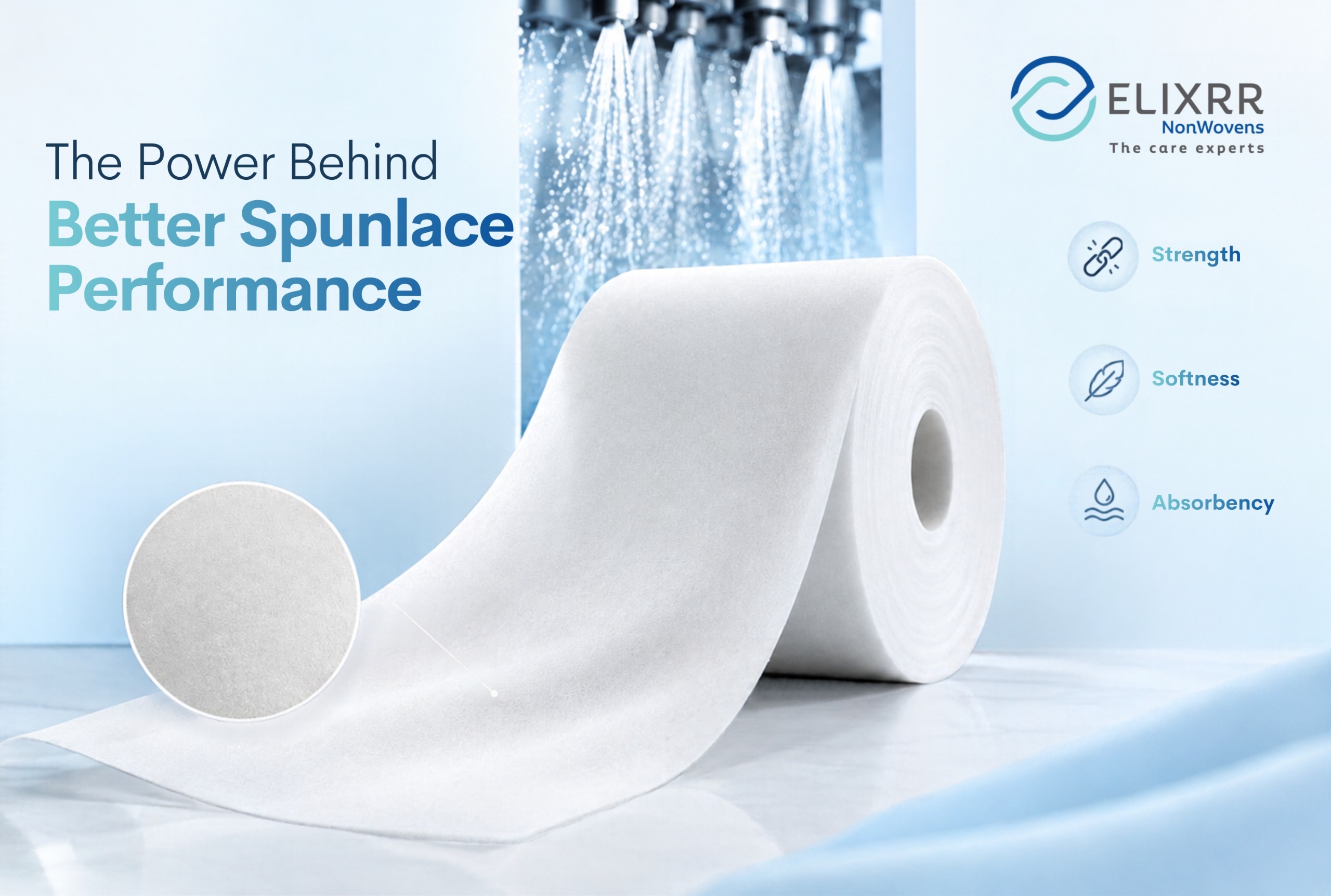
How Hydroentanglement Energy Changes Spunlace Strength, Softness, and Absorbency
Ask a spunlace producer what makes one fabric stronger than another and fibre choice usually comes
28.10.2026
Read Article -
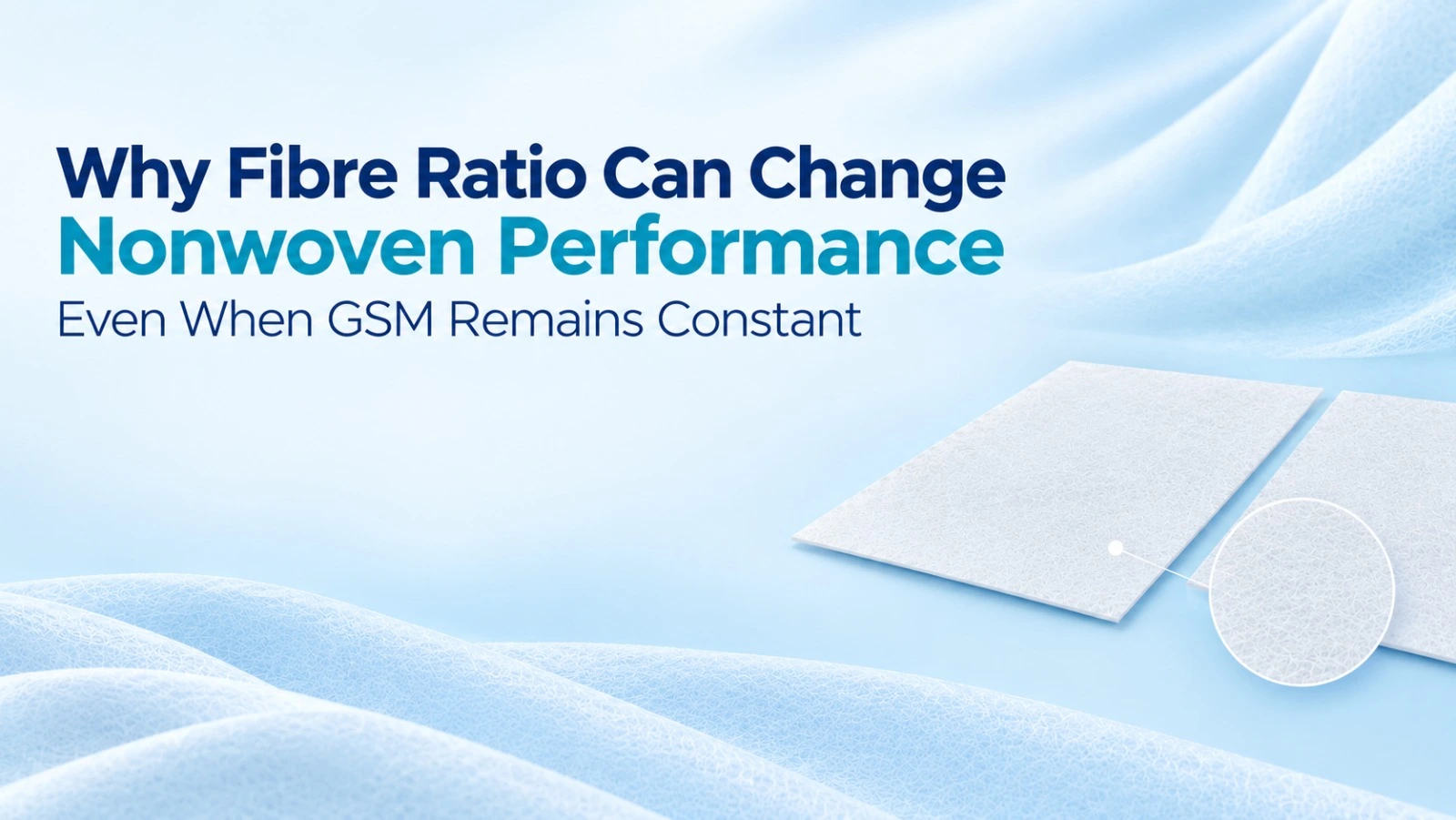
Why Fibre Ratio Can Change Nonwoven Performance Even When GSM Remains Constant
A buyer lines up two spunlace samples. Both are 50 GSM and the price per square metre is close.A buy
20.06.2026
Read Article -
What Should Be Validated Before Moving From a Nonwoven Trial to Commercial Production?
A trial run that performs well doesn't automatically mean you're ready to commit commercial volume.
14.10.2026
Read Article -
Best GSM For Wet Wipes A Procurement Guide for Choosing the Right Spunlace Fabric
Getting the GSM wrong is one of the most common and most expensive mistakes in wet wipes sourcing.
20.06.2026
Read Article -
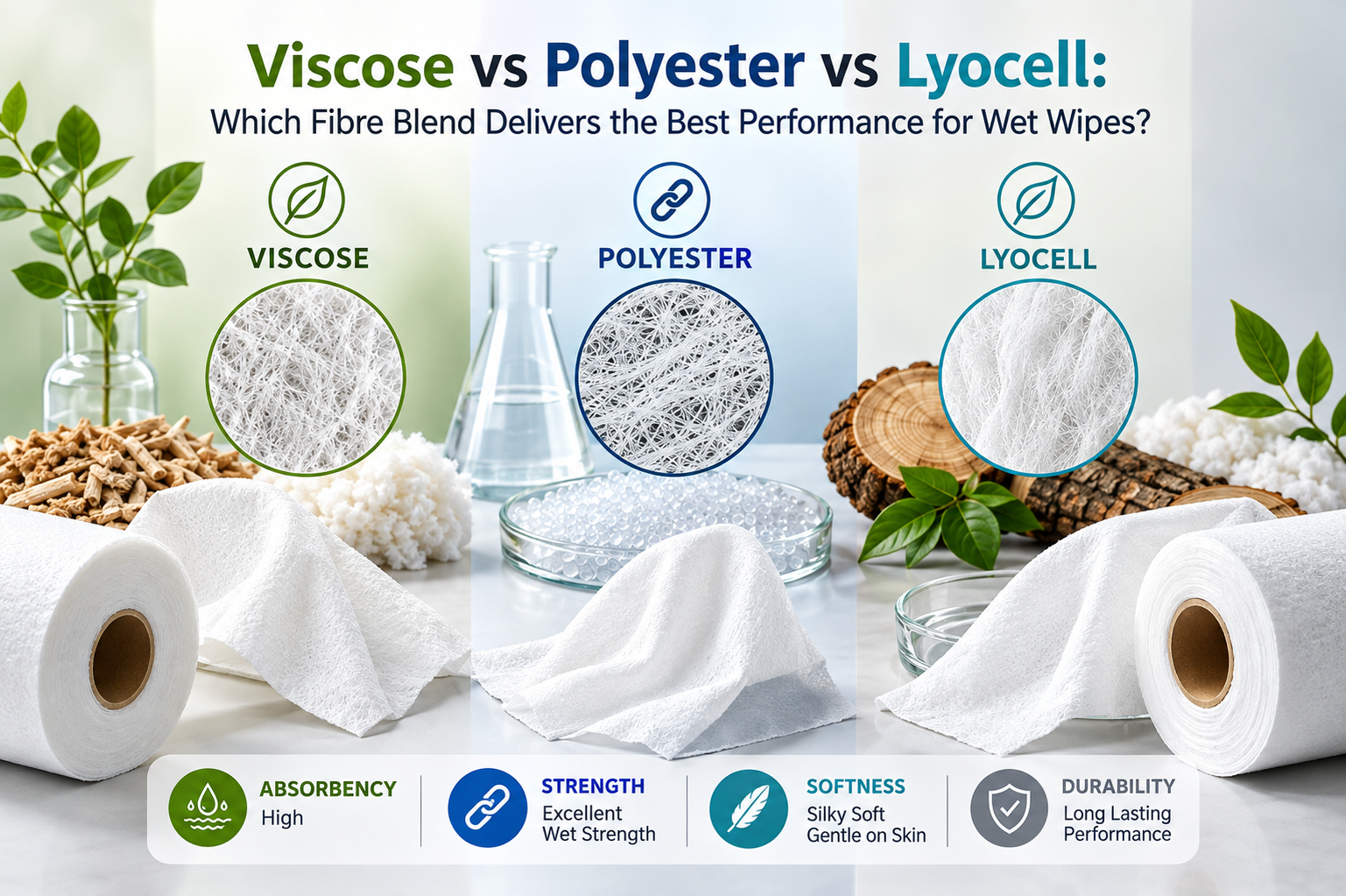
Viscose vs Polyester vs Lyocell: Which Fibre Blend Delivers the Best Performance for Wet Wipes?
Choosing between viscose, polyester, and Lyocell isn't really about picking a "best" fibre. It's abo
22.06.2026
Read Article - View All Blogs
-
Need nonwoven solutions for your application?
Talk to our team about custom fabrics, sustainability, and product development tailored to your industry.
Frequently Asked Questions
Know everything — be it our products, our process, or why nonwovens are so cool.
What does wood pulp do in nonwoven wipes?
Wood pulp provides cellulose-based fibres that help absorb and retain liquids. It is
commonly combined with other fibres to develop absorbent nonwoven wipe
materials.
Does higher wood pulp content improve wipe absorbency?
Increasing suitable pulp content can improve liquid absorption and retention, but the
result also depends on fibre distribution, fabric structure and manufacturing
conditions.
Does wood pulp affect the strength of nonwoven wipes?
Yes. Pulp contributes to the fibre structure, but pulp-rich materials may require
reinforcing fibres or suitable bonding methods to achieve the required wet strength.
Why is polypropylene combined with wood pulp?
Polypropylene contributes lightweight construction, chemical resistance and
structural support, while wood pulp provides liquid absorption and retention.
What is the difference between wood pulp and viscose?
Wood pulp is a cellulose-rich raw material obtained from wood, whereas viscose is a
regenerated cellulose fibre manufactured through a chemical processing route. Both
can contribute to liquid absorption but have different physical characteristics.
How does wood pulp affect wipe texture?
Wood pulp can influence fabric bulk and surface feel. The final texture also depends
on fibre length, fibre composition, web structure and bonding methods.
Is wood pulp suitable for industrial cleaning wipes?
Yes. Wood pulp can be incorporated into industrial wiping materials where liquid
absorption and retention are important, particularly when combined with suitable
reinforcing fibres.
What is the role of GSM in absorbent nonwoven wipes?
GSM measures the weight of fabric per square metre. It influences material
construction and can affect absorption capacity, thickness and handling, but it does
not independently determine performance.
Can wood pulp be combined with Lyocell?
Yes. Wood pulp and Lyocell can be combined to develop cellulose-based nonwoven
materials with different combinations of absorbency, softness and structural
performance.
How should manufacturers choose the right wood pulp percentage?
Manufacturers should evaluate the intended application, absorption capacity, wet
tensile strength, surface feel, linting and manufacturing requirements. Material
testing is essential before finalising a fibre composition.
Explore Recent Blogs
How Wood Pulp Content Affects Wipe Absorbency, Strength and Texture
A cleaning wipe looks like a plain sheet of fabric, but what it’s made from decides how it behave
Read More
What Is Wetlaid Nonwoven Fabric? Process & Uses
Wetlaid nonwoven fabric is an engineered material manufactured by dispersing fibres in water to crea
Read More
How Hydroentanglement Energy Changes Spunlace Strength, Softness, and Absorbency
Ask a spunlace producer what makes one fabric stronger than another and fibre choice usually comes
Read More
Why Fibre Ratio Can Change Nonwoven Performance Even When GSM Remains Constant
A buyer lines up two spunlace samples. Both are 50 GSM and the price per square metre is close.A buy
Read More

Weave Your Success with Our Revolutionary Fabrics
Power your business with Elixrr's cutting-edge nonwoven fabric solutions. Eco-friendly, customizable, and engineered for excellence—because innovation starts with the right foundation.

A cleaning wipe looks like a plain sheet of fabric, but what it’s made from decides how it behaves. Some wipes soak up liquid fast and then fall apart when wet. Others hold together well but don’t retain much liquid.
A big part of that difference comes down to wood pulp content in nonwoven fabric.
Wood pulp is a cellulose-based raw material that’s used a lot in absorbent nonwovens. It helps the fabric take up and hold liquid, while the other fibres in the blend supply the strength a wipe needs when it’s actually being used.
If you make wipes, you need to know how pulp works alongside those other fibres. That’s how you land on the right mix of absorbency, strength and surface feel.
What Is Wood Pulp in Nonwoven Fabric?
Wood pulp is a cellulose-rich material made from processed wood fibres. It goes into paper products and into engineered nonwovens, mainly because it absorbs and holds liquid so well.
In wipe manufacturing, pulp can be blended with polypropylene, polyester, viscose or Lyocell. Each one adds something different to the finished fabric.
Pulp handles the liquid. Polypropylene, for instance, can bring lightweight construction, chemical resistance and structural support. How the fabric ends up performing depends on the fibre ratio, the manufacturing process and the bonding conditions.
So choosing the right fibre composition in nonwoven fabric matters just as much as choosing the fabric weight.
1. How Wood Pulp Content Affects Wipe Absorbency
Absorbency is the first thing most people ask for in a cleaning or hygiene wipe.
Pulp contains hydrophilic cellulose, which pulls in water and keeps it inside the fibrous structure. Add more suitable pulp fibres and liquid pick-up and retention can improve, as long as the fabric structure and production conditions let that absorption happen.
It isn’t a straight line, though. Absorbency also depends on how the fibres are distributed, the pore structure, the thickness of the fabric and the bonding method. A pulp-rich material might hold liquid well and still perform unevenly if the fibres aren’t anchored properly.
That’s why manufacturers should look at absorption capacity and absorption speed together, and not rely on the pulp percentage alone.
For more technical background, research into cellulose-based wet wipe substrates and their liquid-handling propertiesexplains why fibre selection and material structure matter.
2. Finding the Right Balance Between Pulp Content and Wet Strength
A wipe has to absorb well, but it also has to stay in one piece while you clean with it.
This is where the fibre mix really counts. Pulp fibres are excellent with liquids, but their wet tensile performance isn’t the same as that of many longer reinforcing fibres. Once a wipe is wet, wiping, stretching and handling all put extra stress on it.
To deal with that, manufacturers blend pulp with reinforcing fibres. Polypropylene, polyester and regenerated cellulose fibres can all add structural performance, depending on the construction. In a polypropylene and pulp blend, for example, the pulp takes care of absorption and the polypropylene adds lightweight construction and chemical resistance.
The aim isn’t to push pulp as high as possible. It’s to find a composition that absorbs enough without giving up the strength the application needs.
Learn more about hydroentanglement and fibre bonding in nonwoven manufacturing, where fibre entanglement and process parameters shape the final fabric structure.
3. How Wood Pulp Influences Wipe Texture and Feel
Texture matters most in personal care, hygiene and surface cleaning products.
Pulp adds bulk and affects the surface of the material, but the final feel is shaped by several other variables. Fibre length, web density, bonding energy, surface pattern and the share of other fibres all play a part.
A fabric for heavy-duty industrial cleaning will usually favour durability and tear resistance. A wipe meant for skin contact needs to be softer, more flexible and smoother.
So the intended use should come first, before anyone settles on a pulp concentration. The same raw material can give quite different results with different fibre combinations and machine settings.
4. Why Fibre Blending Matters in Wipe Manufacturing
No single fibre delivers every property a wipe needs. Blending pulp with other fibres lets manufacturers balance them. Some common combinations are:
Polypropylene + Pulp
Polypropylene brings lightweight construction, chemical resistance and structural support. Pulp provides absorption and retention. It’s a combination that suits industrial and technical wiping.
Explore Elixrr’s Polypropylene + Pulp nonwoven blend to understand this fibre combination.
Polyester + Pulp
Polyester adds durability and strength, and pulp adds absorbency. This pairing can work well in industrial cleaning and maintenance wipes.
Lyocell + Pulp
Both fibres come from cellulose. Lyocell adds softness and moisture management, while pulp adds absorbency and bulk. It’s a good fit where you want a soft, absorbent material.
Which blend is right depends on the wipe application, the wet strength required, the liquid-handling performance and the surface characteristics.
Explore Elixrr’s nonwoven product range to discover its available fibre combinations and material solutions.
5. What Should Manufacturers Consider When Selecting Wood Pulp Content?
Picking a pulp percentage takes more than comparing raw material specs. These are the factors worth checking:
Test these together, not one at a time. You’ll get a much more reliable basis for choosing a wipe substrate.
How Elixrr Develops Fibre-Blended Nonwoven Solutions
At Elixrr Nonwovens, material composition and manufacturing technology both shape how application-specific nonwoven solutions are developed.
Its Polypropylene + Pulp spunlace blend pairs the liquid absorption of pulp with the lightweight structure and chemical resistance of polypropylene.
On its PentaTech manufacturing platform, Elixrr focuses on fibre blending and hydroentanglement parameters to produce consistent nonwoven materials.
The company also offers other fibre combinations, including Lyocell + Pulp, Polyester + Pulp and Viscose + Pulp, covering different needs across industrial, hygiene and medical applications.
Explore Elixrr’s Polypropylene + Pulp nonwoven solutions to understand how fibre composition can influence material performance.
Conclusion
Wood pulp has a big say in how absorbent nonwoven wipes perform. It brings liquid absorption, retention and bulk, while the other fibres in the blend provide the strength and structure a wipe needs in use.
More pulp doesn’t automatically make a better wipe, though. The best composition balances absorbency, wet strength and texture for the specific application.
For manufacturers, the practical route is to look at the whole fibre blend and test the finished material. That’s how you get consistent performance.
Looking for the Right Nonwoven Material for Your Wipes?
Explore Elixrr’s engineered fibre blends and discuss your material requirements with its technical team.
Explore Elixrr’s Nonwoven Fabric Solutions
Contact Elixrr