


How to Choose the Right Nonwoven Fabric for Dry Wipes Manufacturing
The fabric you choose decides how a dry wipe absorbs, how strong it is and how it feels. This guide walks through fibre composition, spunlace construction, absorbency, lint control and converting performance for personal care, household and industrial wipes.
-
Recent Post
-
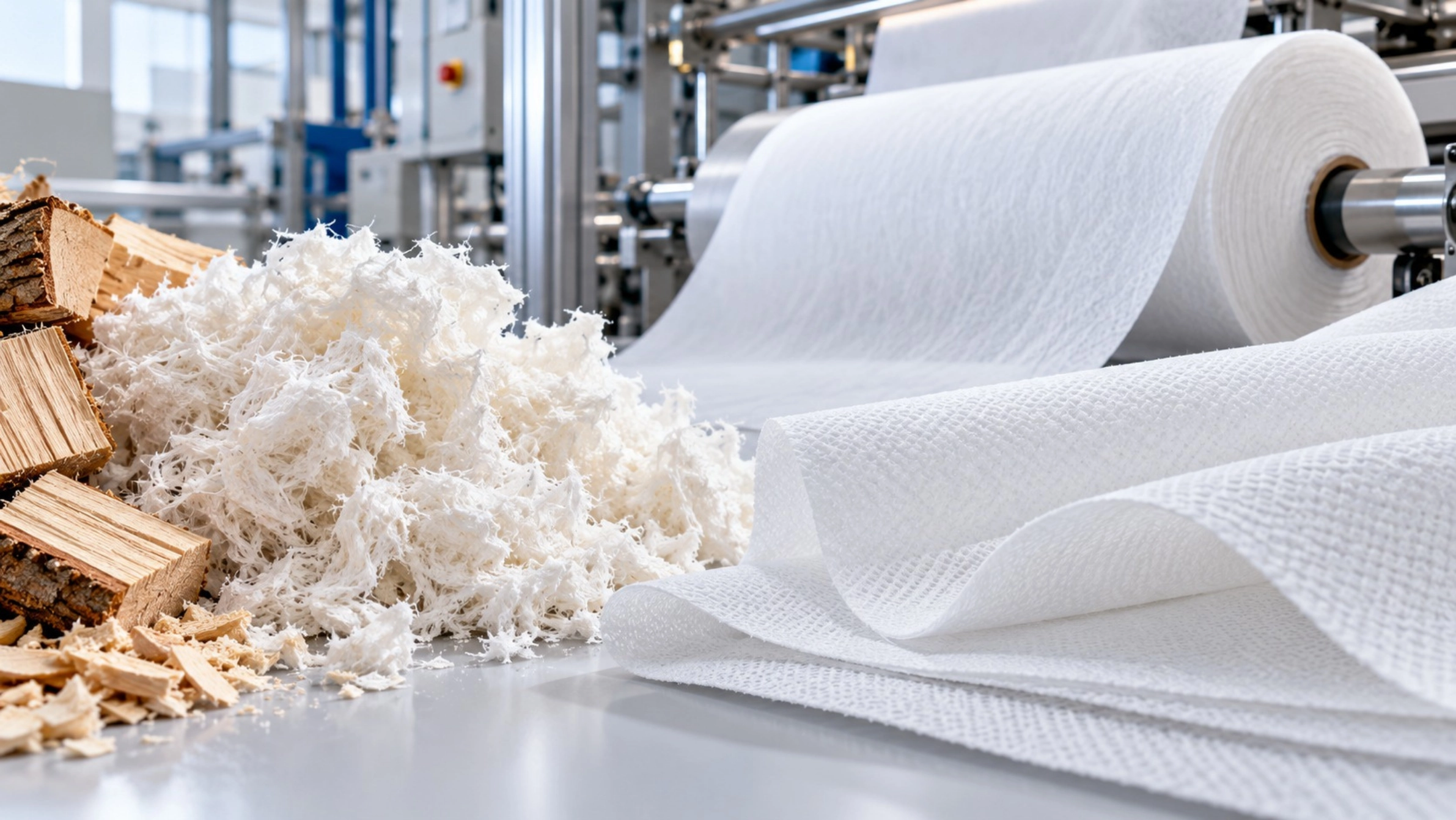
How Wood Pulp Content Affects Wipe Absorbency, Strength and Texture
A cleaning wipe looks like a plain sheet of fabric, but what it’s made from decides how it behave
11.11.2026
Read Article -
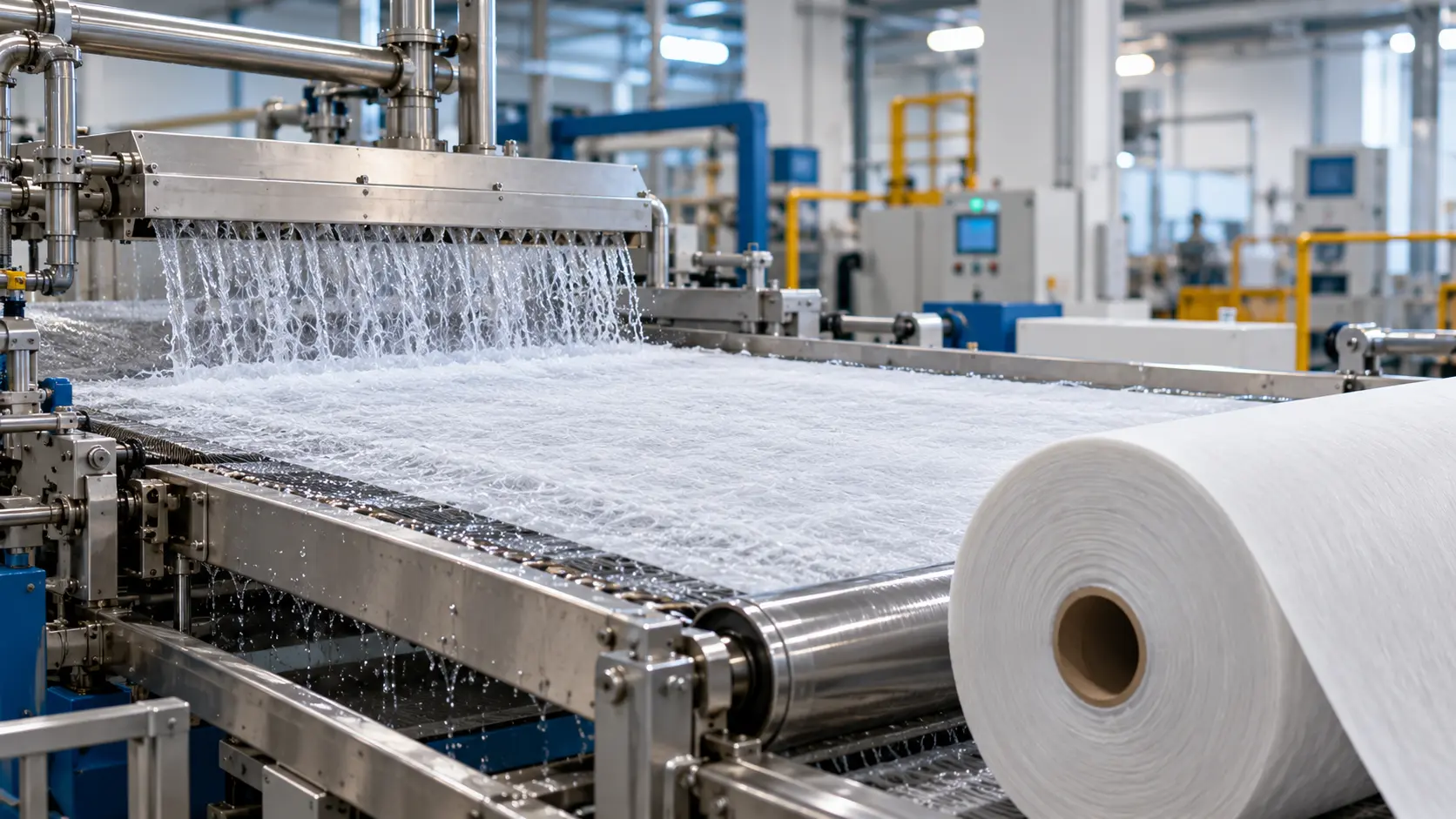
What Is Wetlaid Nonwoven Fabric? Process & Uses
Wetlaid nonwoven fabric is an engineered material manufactured by dispersing fibres in water to crea
03.11.2026
Read Article -
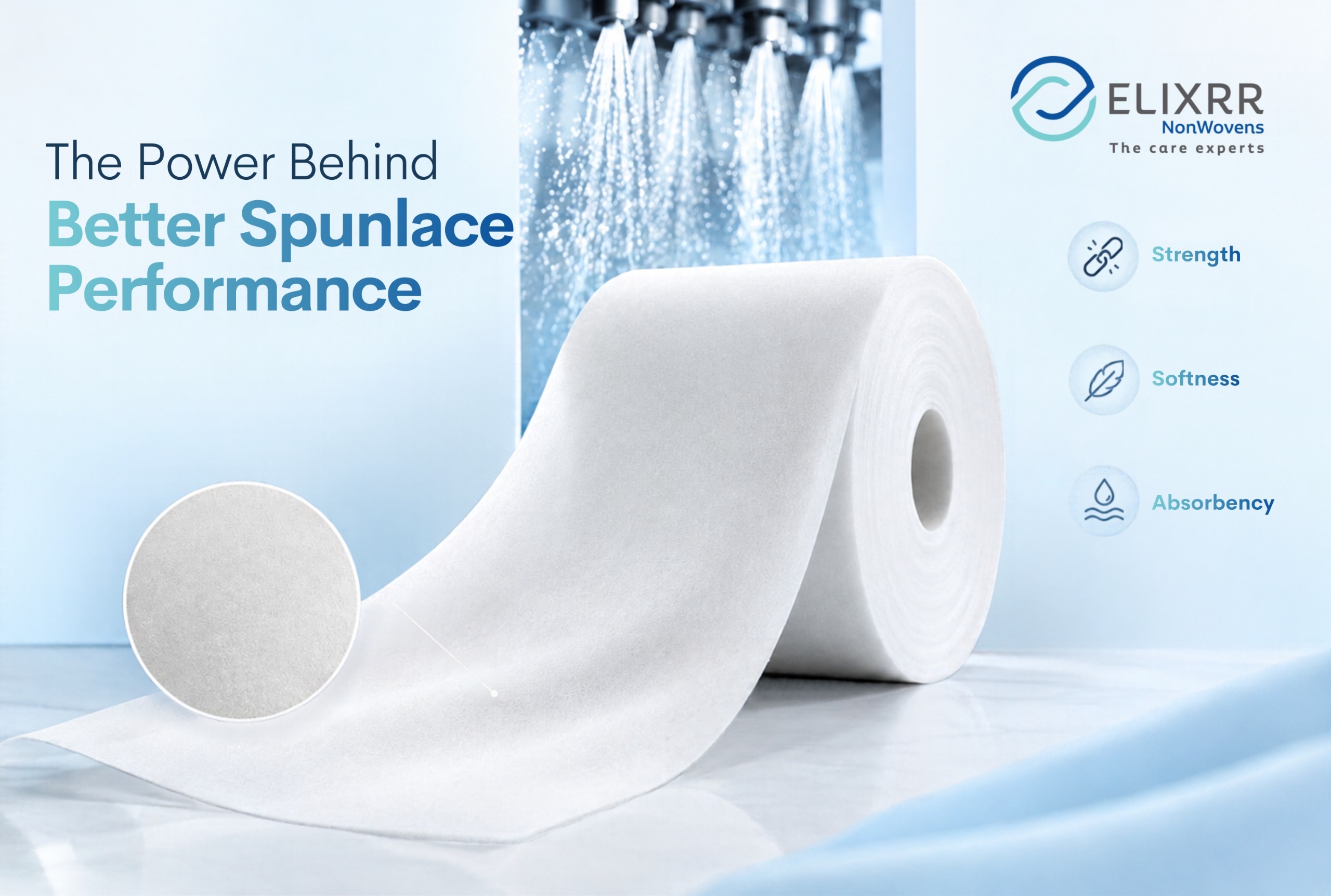
How Hydroentanglement Energy Changes Spunlace Strength, Softness, and Absorbency
Ask a spunlace producer what makes one fabric stronger than another and fibre choice usually comes
28.10.2026
Read Article -
Why Fibre Ratio Can Change Nonwoven Performance Even When GSM Remains Constant
A buyer lines up two spunlace samples. Both are 50 GSM and the price per square metre is close.A buy
20.06.2026
Read Article -
What Should Be Validated Before Moving From a Nonwoven Trial to Commercial Production?
A trial run that performs well doesn't automatically mean you're ready to commit commercial volume.
14.10.2026
Read Article -
Best GSM For Wet Wipes A Procurement Guide for Choosing the Right Spunlace Fabric
Getting the GSM wrong is one of the most common and most expensive mistakes in wet wipes sourcing.
20.06.2026
Read Article - View All Blogs
-
Need nonwoven solutions for your application?
Talk to our team about custom fabrics, sustainability, and product development tailored to your industry.
Frequently Asked Questions
Know everything — be it our products, our process, or why nonwovens are so cool.
What is the difference between polyester and viscose nonwoven fabric?
Polyester mainly adds strength and dimensional stability. Viscose is valued for softness and moisture absorption. Which one should dominate depends on how the wipe needs to perform.
What is hydroentanglement in nonwoven manufacturing?
It’s the process behind spunlace. Water jets entangle the fibres mechanically, producing a bonded fabric without weaving or knitting.
How can manufacturers reduce lint generation in dry wipes?
Look at fibre selection, entanglement quality, bonding conditions and fabric construction, then confirm the results with lint testing designed for your application.
Can spunlace nonwoven fabric be used for both dry and wet wipes?
Yes. The fabric just needs to meet the needs of each product, including liquid compatibility, strength, and performance after impregnation.
What should manufacturers check before selecting nonwoven fabric for dry wipes?
Fibre composition, GSM, absorbency, tensile strength, softness, lint generation, dimensional stability, and converting compatibility, all before approving a fabric for commercial production.
Explore Recent Blogs
How to Choose the Right Nonwoven Fabric for Dry Wipes Manufacturing
The fabric you choose decides how a dry wipe absorbs, how strong it is and how it feels. This guide
Read More
How Wood Pulp Content Affects Wipe Absorbency, Strength and Texture
A cleaning wipe looks like a plain sheet of fabric, but what it’s made from decides how it behave
Read More
What Is Wetlaid Nonwoven Fabric? Process & Uses
Wetlaid nonwoven fabric is an engineered material manufactured by dispersing fibres in water to crea
Read More
How Hydroentanglement Energy Changes Spunlace Strength, Softness, and Absorbency
Ask a spunlace producer what makes one fabric stronger than another and fibre choice usually comes
Read More

Weave Your Success with Our Revolutionary Fabrics
Power your business with Elixrr's cutting-edge nonwoven fabric solutions. Eco-friendly, customizable, and engineered for excellence—because innovation starts with the right foundation.

How to Choose the Right Nonwoven Fabric for Dry Wipes Manufacturing
Talk to wipes converters about a production run that went wrong, and the problem often traces back to the roll stock. The wipe tore on the folder. It left fibres behind on a glass panel. It soaked up liquid but wouldn’t let go of it. More often than not, the fabric had been chosen on GSM and price, and very little else.
GSM matters, but it only tells you how heavy the fabric is. It says nothing about how the wipe will feel, how quickly it picks up a spill or whether it will survive a high-speed folding line. Those things depend on the fibres, how the web is bonded and how the material behaves on your converting equipment.
That’s why so many manufacturers end up looking at spunlace nonwoven fabric. It can be tuned to be softer, stronger or more absorbent depending on the blend. Still, “spunlace” covers a wide range of materials, so here’s how to narrow down the right nonwoven fabric for dry wipes manufacturing.
1. Start With What the Wipe Is For
It sounds obvious, yet plenty of sourcing decisions skip this step. A baby wipe and a workshop wipe have almost nothing in common apart from their shape.
Once you know the end use, the right fibre mix, fabric construction and performance targets become much easier to pin down. For personal care and household briefs, Elixrr’s hygiene and homecare applications page is a useful starting point.
2. Get the Fibre Mix Right
Most dry wipe substrates use some combination of three fibres: polyester, viscose and wood pulp. Each one brings something different to the sheet.
There’s no universal “best” blend. The right ratio is the one that matches your product specification. If you want a broader picture of the materials available, our breakdown of the different types of nonwoven fabric is a good place to start.
3. Take a Close Look at Spunlace
Spunlace, also called hydroentangled nonwoven, is made by hitting a loose web of fibres with fine, high-pressure water jets. The jets tangle the fibres together until they lock into a fabric. There’s no weaving or knitting involved.
Because the fibre blend, fabric weight and surface pattern can all be adjusted, spunlace can be engineered for very different jobs. In practice, that gives you:
That flexibility is why spunlace appears across personal care, household and industrial wipes. Elixrr’s EnduraSpun™ range, for instance, is spunlace developed for tougher, heavy-duty cleaning work.
One word of caution: two spunlace fabrics can behave very differently depending on the fibres used and how the hydroentanglement was run. Judge the finished material, not the process name on the spec sheet.
4. Test Absorbency Properly
If your dry wipe will later be loaded with a cleaning solution, or its whole job is soaking up spills, absorbency sits near the top of the list. But “absorbent” isn’t a single number. Check:
Viscose-rich and pulp-based fabrics tend to do well here, although fibre quality, construction and the liquid itself all affect the result. The only reliable way to compare samples is side by side, under conditions that look like real use.
5. Balance Strength, Softness and Lint Control
A dry wipe gets cut, folded, packed and then used, sometimes roughly. It has to come through all of that in one piece.
Push one property too far and another usually suffers. A very soft fabric may not be strong enough; a very strong one may feel harsh. Aim for the balance your application actually needs.
6. Make Sure It Runs on Your Line
A fabric can test well in the lab and still cause headaches on the production floor. Before you sign off on a substrate, look at:
If the wipes will be impregnated with liquid later, check compatibility with that formulation too. Consistent material means fewer stoppages, less waste and a product that looks the same from batch to batch.
7. Run Trials Before You Commit
Before scaling up to commercial production, run trials with representative fabric samples. Typical checks include:
The Nonwovens Standard Procedures (NWSP), published jointly by EDANA and INDA, are the recognised methods for testing nonwoven properties such as absorbency. Use them, but set up your trials to match how the wipe will really be used. A material that passes in the lab and fails in the customer’s hands hasn’t passed at all.
Final Thoughts
Choosing the right nonwoven fabric for dry wipes manufacturing comes down to knowing exactly what the finished wipe has to do. Fibre composition, absorbency, strength, softness, lint and converting performance all feed into that decision.
Spunlace gives manufacturers a lot of room to work with. Define your requirements clearly, test under realistic conditions and you’ll find a fabric that balances performance, consistency and production efficiency.
Keep in mind that the best fabric isn’t necessarily the most absorbent or the strongest on paper. It’s the one that gets the mix right for your product.
Need Help Choosing a Fabric for Your Dry Wipes?
The substrate you pick shapes how your wipe absorbs, how strong it is and how it feels in the hand. Getting it right early saves a lot of rework later.
Elixrr Nonwovens develops spunlace nonwoven fabrics for industrial, hygiene and personal care wipes. Tell us what you’re building and our team will help you find the right material.
→ Explore Elixrr Nonwoven Solutions
→ Get in Touch with Elixrr Nonwovens
Frequently Asked Questions
1. Which nonwoven fabric is best for dry wipes manufacturing?
Spunlace is a popular choice because it can be made soft and flexible, with strength and absorbency adjusted to suit the product. The best option still depends on what the finished wipe is meant to do.
2. What is spunlace nonwoven fabric?
It’s a nonwoven made by hydroentanglement. High-pressure water jets tangle loose fibres together until they form a bonded fabric.
3. Which fibres are commonly used in dry wipes manufacturing?
Polyester, viscose and wood pulp are the most common. Many manufacturers blend them to get the right mix of absorbency, softness and strength.
4. Why is absorbency important in dry wipes?
It decides how well a wipe picks up and holds liquid. That matters for cleaning, and even more so if the dry wipe will later be impregnated with a liquid formulation.
5. Is spunlace fabric suitable for industrial cleaning wipes?
Yes. With the right fibre blend, tensile strength and lint control, spunlace works well for industrial cleaning.