


How to Select Nonwoven Fabric for Medical Wipes and Healthcare Cleaning
Patient-care wipes and surface-cleaning wipes ask very different things of their fabric. This guide covers the properties and tests that matter when choosing a spunlace substrate for healthcare use: absorbency, wet strength, lint, softness and formulation compatibility.
-
Recent Post
-
How to Choose the Right Nonwoven Fabric for Dry Wipes Manufacturing
The fabric you choose decides how a dry wipe absorbs, how strong it is and how it feels. This guide
25.11.2026
Read Article -
How Wood Pulp Content Affects Wipe Absorbency, Strength and Texture
A cleaning wipe looks like a plain sheet of fabric, but what it’s made from decides how it behave
11.11.2026
Read Article -
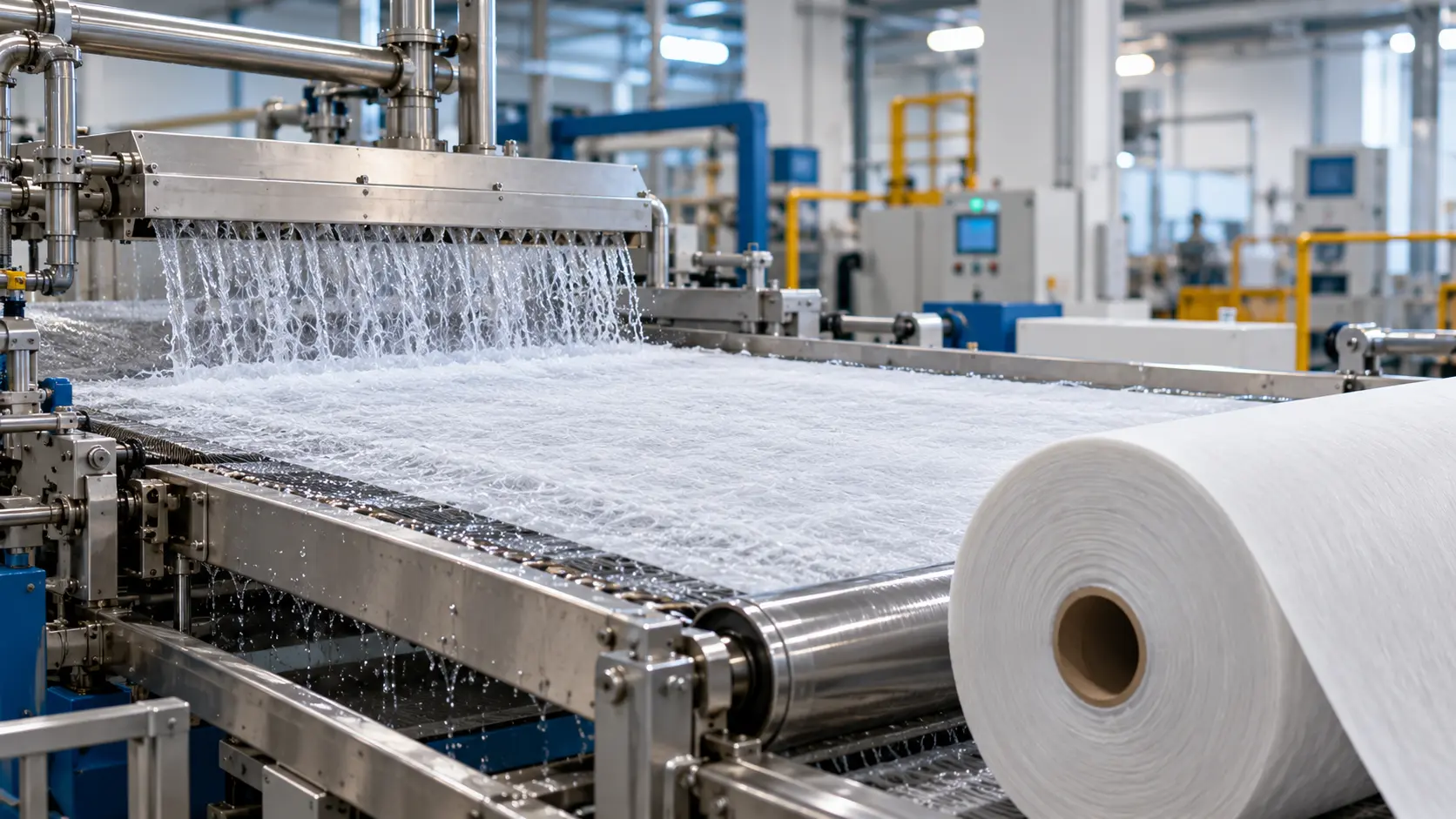
What Is Wetlaid Nonwoven Fabric? Process & Uses
Wetlaid nonwoven fabric is an engineered material manufactured by dispersing fibres in water to crea
03.11.2026
Read Article -
How Hydroentanglement Energy Changes Spunlace Strength, Softness, and Absorbency
Ask a spunlace producer what makes one fabric stronger than another and fibre choice usually comes
28.10.2026
Read Article -
Why Fibre Ratio Can Change Nonwoven Performance Even When GSM Remains Constant
A buyer lines up two spunlace samples. Both are 50 GSM and the price per square metre is close.A buy
20.06.2026
Read Article -
What Should Be Validated Before Moving From a Nonwoven Trial to Commercial Production?
A trial run that performs well doesn't automatically mean you're ready to commit commercial volume.
14.10.2026
Read Article - View All Blogs
-
Need nonwoven solutions for your application?
Talk to our team about custom fabrics, sustainability, and product development tailored to your industry.
Frequently Asked Questions
Know everything — be it our products, our process, or why nonwovens are so cool.
How do manufacturers test absorbency in medical wipes fabric?
Tests typically look at absorption time, liquid capacity, retention and release. The method and acceptance criteria should match how the finished wipe will be used.
Can the same nonwoven fabric be used for patient wipes and surface-cleaning wipes?
Not automatically. Skin-contact wipes and surface wipes can have different requirements for softness, formulation compatibility, lint, strength and compliance.
Why is disinfectant compatibility important when selecting wipe fabric?
A cleaning or disinfectant formulation can affect the substrate during storage and use. Compatibility testing shows how strength, appearance, liquid distribution and dispensing hold up.
Does medical-grade nonwoven fabric mean the finished wipe is sterile?
No. Sterility claims need proper validation and controls for the finished product and its packaging. The label “medical-grade” doesn’t establish that on its own.
What documents should buyers request from a medical nonwoven fabric supplier?
Depending on the application, buyers may ask for a technical data sheet, fibre composition, GSM and dimensional specifications, relevant test reports, batch traceability details and applicable quality or regulatory documentation.
Explore Recent Blogs
How to Select Nonwoven Fabric for Medical Wipes and Healthcare Cleaning
Patient-care wipes and surface-cleaning wipes ask very different things of their fabric. This guide
Read More
How to Choose the Right Nonwoven Fabric for Dry Wipes Manufacturing
The fabric you choose decides how a dry wipe absorbs, how strong it is and how it feels. This guide
Read More
How Wood Pulp Content Affects Wipe Absorbency, Strength and Texture
A cleaning wipe looks like a plain sheet of fabric, but what it’s made from decides how it behave
Read More
What Is Wetlaid Nonwoven Fabric? Process & Uses
Wetlaid nonwoven fabric is an engineered material manufactured by dispersing fibres in water to crea
Read More

Weave Your Success with Our Revolutionary Fabrics
Power your business with Elixrr's cutting-edge nonwoven fabric solutions. Eco-friendly, customizable, and engineered for excellence—because innovation starts with the right foundation.

How to Select Nonwoven Fabric for Medical Wipes and Healthcare Cleaning
A wipe used to clean an infusion pump and a wipe used on a patient’s skin can look almost identical. But they’re doing very different jobs, and that difference should shape every decision about the fabric underneath.
In hospitals and clinics, wipes are used for patient care, skin cleansing, equipment cleaning and environmental surface cleaning. Choosing medical wipes fabric on softness or weight alone rarely works out. Absorbency, wet strength, lint, fibre composition, surface uniformity and compatibility with the liquid formulation all affect how the finished wipe performs.
Spunlace nonwoven fabric is a common choice for medical applications because its structure can be adjusted to suit different requirements. Before comparing samples, though, be clear on what the wipe is for and which tests and requirements apply to it.
1. Be Clear About the Healthcare Application
Start by separating wipes meant for skin or patient care from wipes meant for surfaces and equipment. They aren’t interchangeable, and treating them as if they were tends to cause problems later.
Getting this step right shapes the fibre blend, the fabric construction, the tests you’ll run and the regulatory or customer requirements you’ll need to meet.
2. Choose the Fibre Composition
Fibre composition has a direct effect on how medical nonwoven fabric behaves. Most spunlace options for healthcare use are built on viscose, polyester or a blend of the two.
Elixrr’s AbsorvSpun™ medical spunlace fabric is one example of a substrate developed for this kind of application. Even so, no single fibre mix is right for every healthcare wipe. Compare sample constructions against a written product specification rather than a general impression. For more background on how fibre blends behave, see our guide on choosing nonwoven fabric for dry wipes.
3. Look Beyond Maximum Absorbency
Absorbency matters for wipes that collect fluids, apply solutions or clean surfaces. Even so, the most absorbent fabric isn’t automatically the best one.
Look at absorption rate, total capacity, retention, release and how evenly liquid moves through the fabric. A wipe that soaks up liquid quickly but lets too much of it go under light pressure may not do what it’s supposed to.
For pre-saturated wipes, check that the substrate holds the formulation through storage and use. Test the finished wipe with the actual liquid and packaging, not just with water.
4. Don’t Overlook Wet Strength
Healthcare wipes are usually handled wet. If the fabric loses too much strength once saturated, it can tear, stretch or leave fragments behind.
Measure dry and wet tensile strength, tear resistance and dimensional stability. Your tests should reflect how the wipe will actually be dispensed, unfolded and used.
The strength you need varies by product. A soft patient-care wipe has different priorities from a surface wipe that’s pressed hard against equipment again and again.
5. Keep Lint Low and the Surface Even
Loose fibres and lint are unwelcome in clinical areas, on equipment and in other controlled environments. Fibre choice, web formation, hydroentanglement conditions and finishing all influence how much lint a fabric produces.
Measure lint or particle release with a method suited to the intended application. Inspect the fabric too, looking for holes, thin or uneven areas, hard spots and variation across the roll.
Any low-lint claim should be backed by test data. And “low-lint” on its own doesn’t mean a fabric suits every cleanroom, sterile or clinical setting.
6. Confirm It Works With Your Cleaning or Disinfectant Formulation
For surface-cleaning wipes, the substrate has to work with the detergent or disinfectant you’ve chosen. Some chemical ingredients can affect fibre strength, colour, odour or fabric integrity during storage and use.
Check the finished wipe for changes in strength, appearance, liquid distribution and dispensing after contact with the formulation. Where relevant, include packaging compatibility and expected shelf-life conditions. The CDC’s guidance on cleaning supplies for healthcare environmental cleaning is a useful reference for how cloths and wipes are used alongside disinfectants.
Keep in mind that the fabric alone doesn’t make a wipe an effective disinfectant. Antimicrobial or disinfection claims must be supported by testing of the complete finished product and must follow the applicable regulatory and labelling requirements.
7. Build a Testing and Documentation Plan
A structured quality evaluation makes it easier to compare materials and keep batches consistent. Depending on the product, useful checks include:
EDANA and INDA’s Nonwovens Standard Procedures provide recognised methods for describing and testing nonwoven properties. In India, the BIS standard IS 17787:2021 sets out a specification for nonwoven wipes used as medical textiles; confirm whether and how it applies to your product. Either way, agree the test methods, acceptance limits and documentation with your customers up front.
If you’re supplying regulated healthcare markets, confirm the product classification, regulatory requirements and supporting evidence with qualified regulatory specialists. A fabric specification or quality-management certificate alone doesn’t show that a finished wipe is sterile, biocompatible or approved for a particular medical use.
Final Thoughts
Selecting nonwoven fabric for medical wipes and healthcare cleaning starts with a clear picture of what the finished product has to do. Fibre composition, absorbency, wet strength, lint control, formulation compatibility and quality documentation all play a part.
Spunlace gives you the flexibility to build substrates for a wide range of healthcare and industrial applications. Define the performance you need, review the technical data and test the finished wipe under realistic conditions. That’s how you land on a material that delivers consistent quality and dependable use.
In the end, the right substrate is the one that meets your application’s specific needs and can prove it through proper testing and documentation.
Looking for the Right Fabric for Your Medical Wipes?
The substrate is one of the first decisions in developing a reliable medical or healthcare cleaning wipe. Fibre composition, absorbency, wet strength and lint performance all need to match the job the wipe will do.
Take a look at Elixrr’s AbsorvSpun™ medical spunlace nonwoven fabric and talk to our team about your technical requirements.
→ Explore AbsorvSpun™ Medical Spunlace Fabric
→ Explore Elixrr Medical Applications
Frequently Asked Questions
1. What is the best nonwoven fabric for medical wipes?
It depends on the application. Spunlace made from viscose, polyester or a suitable blend is often considered, with the choice guided by absorbency, wet strength, softness and lint requirements.
2. Why is spunlace used for medical wipes?
Spunlace is made by entangling fibres with high-pressure water jets. Its softness, absorbency and strength can all be adjusted, which makes it a flexible substrate for healthcare products.
3. Which fibre is commonly used in medical nonwoven fabric?
Viscose and polyester are the most common. Viscose brings softness and absorbency, while polyester adds strength and dimensional stability.
4. Why is wet strength important in healthcare wipes?
It helps the wipe keep its structure after absorbing liquid, which reduces tearing and fragmenting during dispensing and use.
5. What does low-lint nonwoven fabric mean?
It’s fabric designed to limit fibre or particle release during handling and use. Whether it suits a particular environment should be confirmed with relevant testing.