


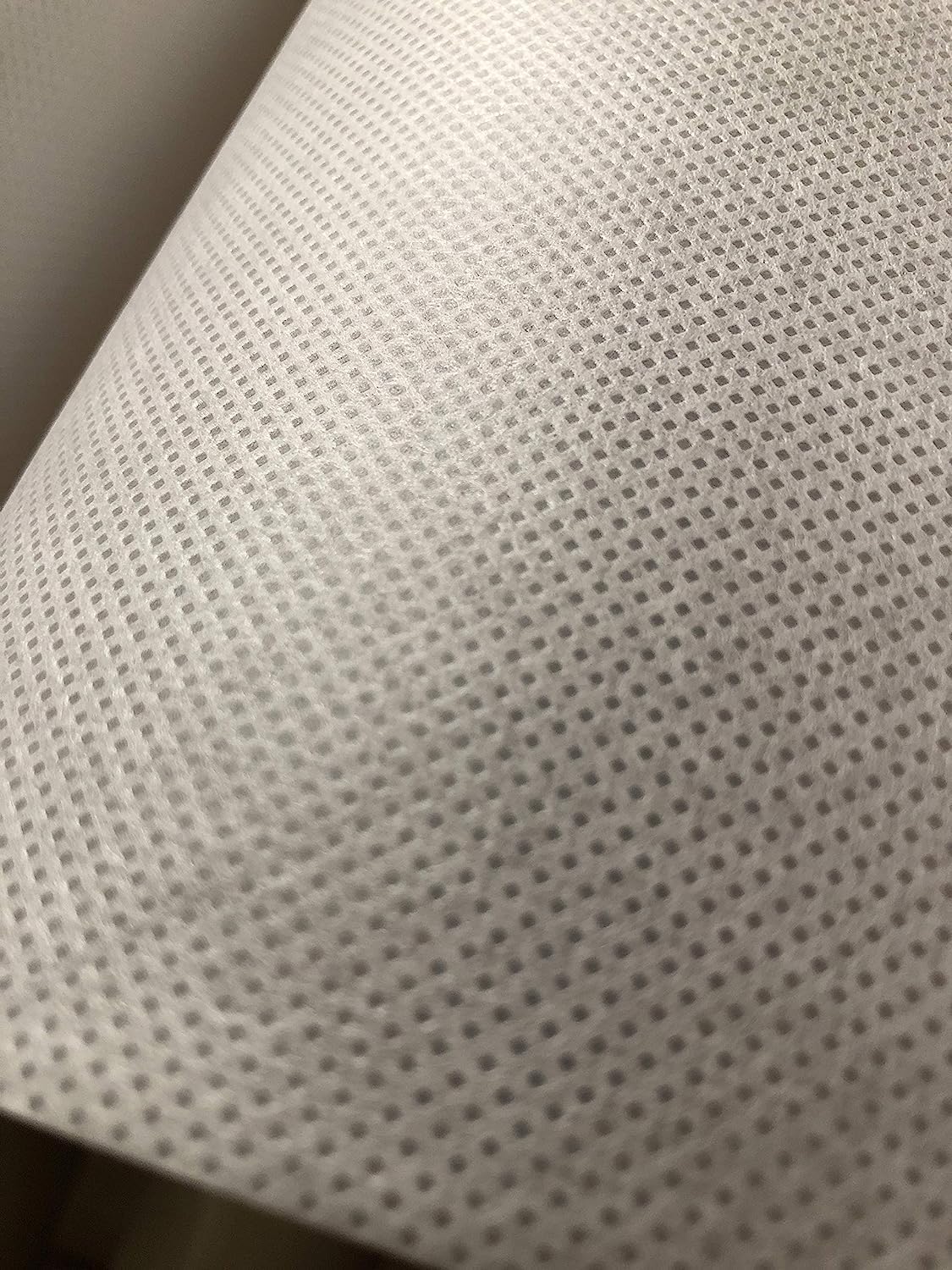
Non Woven Fabric vs Woven Fabric: Understanding the Key Differences
Non Woven vs Woven Fabrics: Key Differences & When to Use Each
-
Recent Post
-
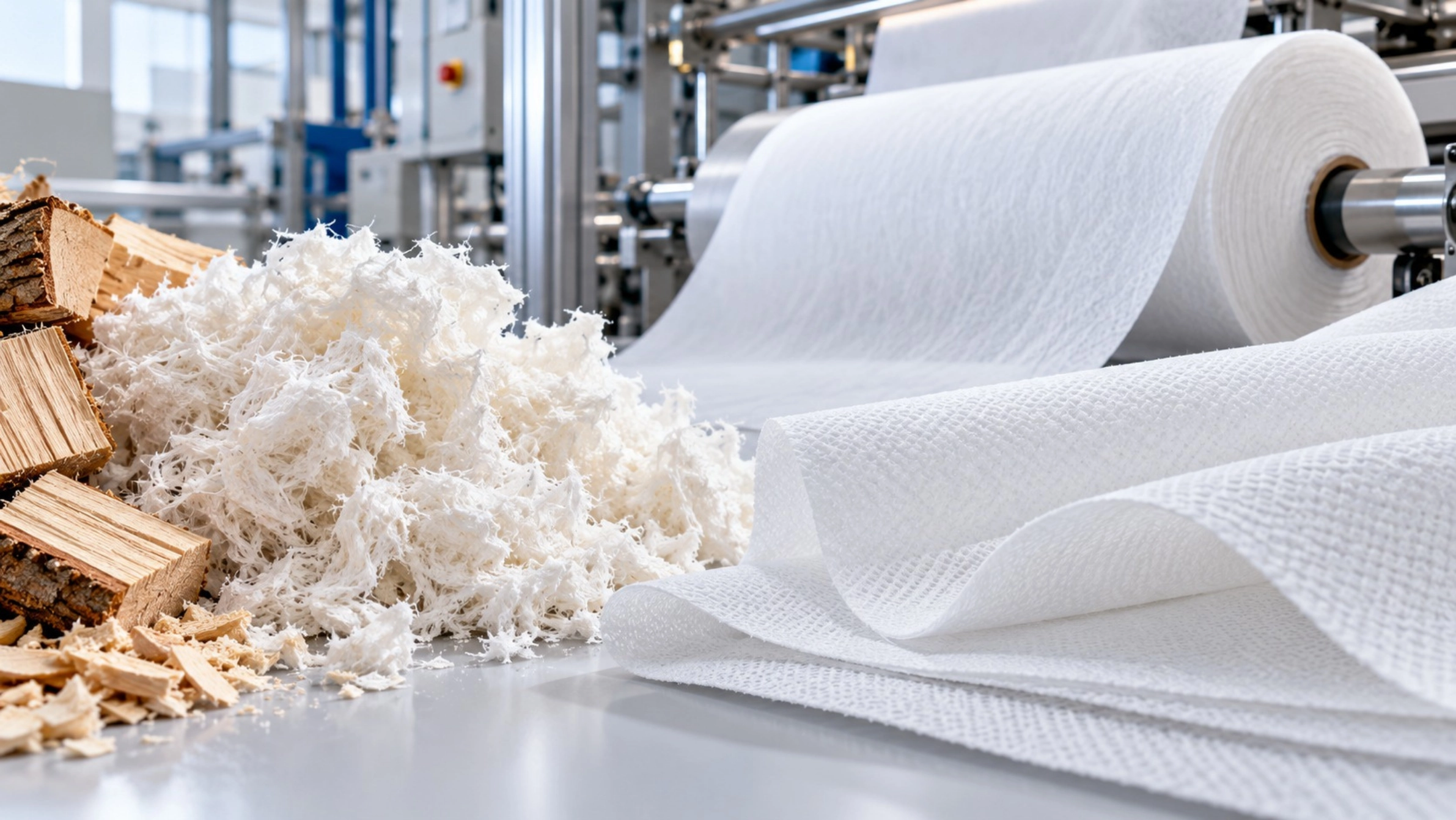
How Wood Pulp Content Affects Wipe Absorbency, Strength and Texture
A cleaning wipe looks like a plain sheet of fabric, but what it’s made from decides how it behave
11.11.2026
Read Article -
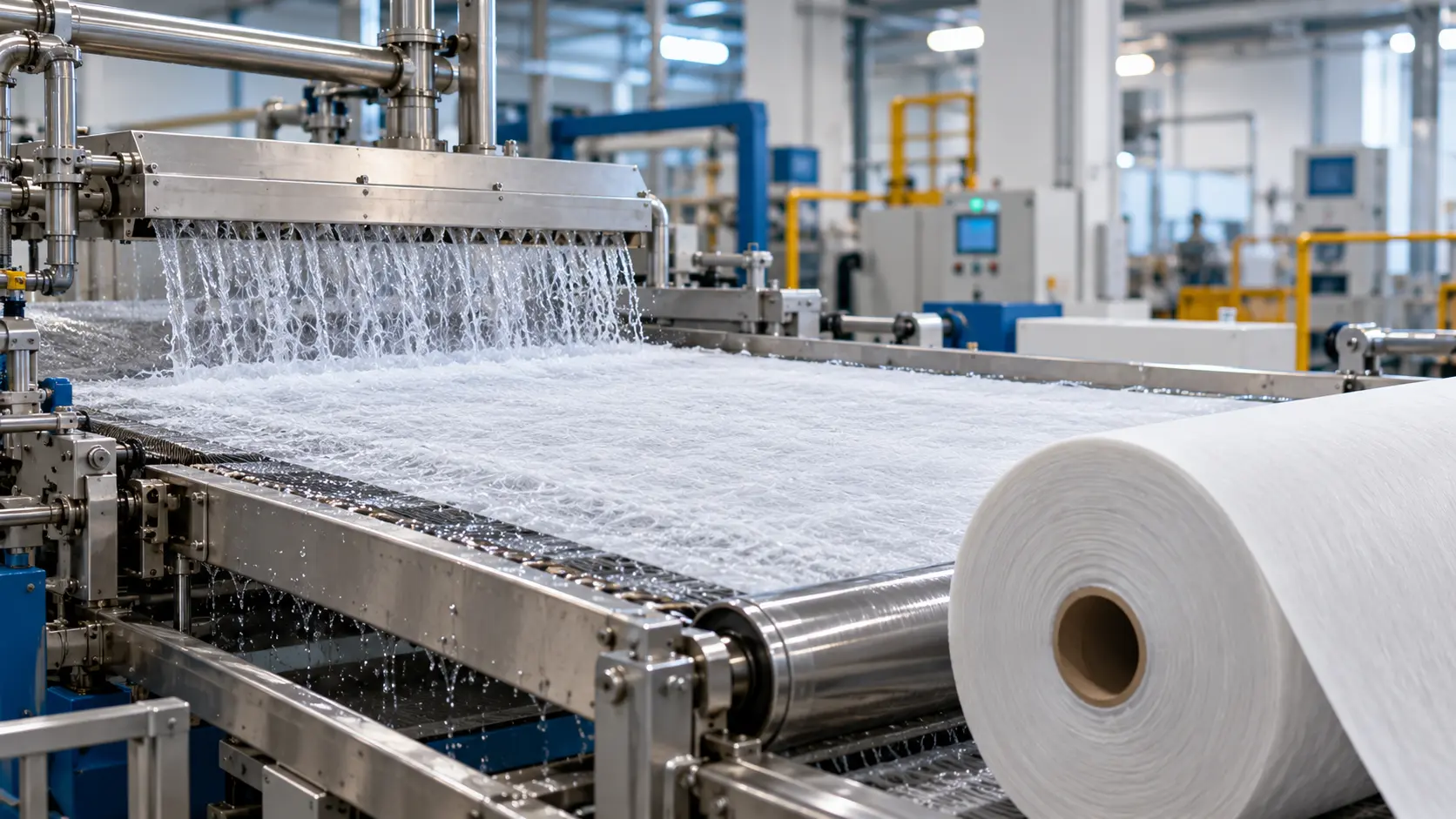
What Is Wetlaid Nonwoven Fabric? Process & Uses
Wetlaid nonwoven fabric is an engineered material manufactured by dispersing fibres in water to crea
03.11.2026
Read Article -
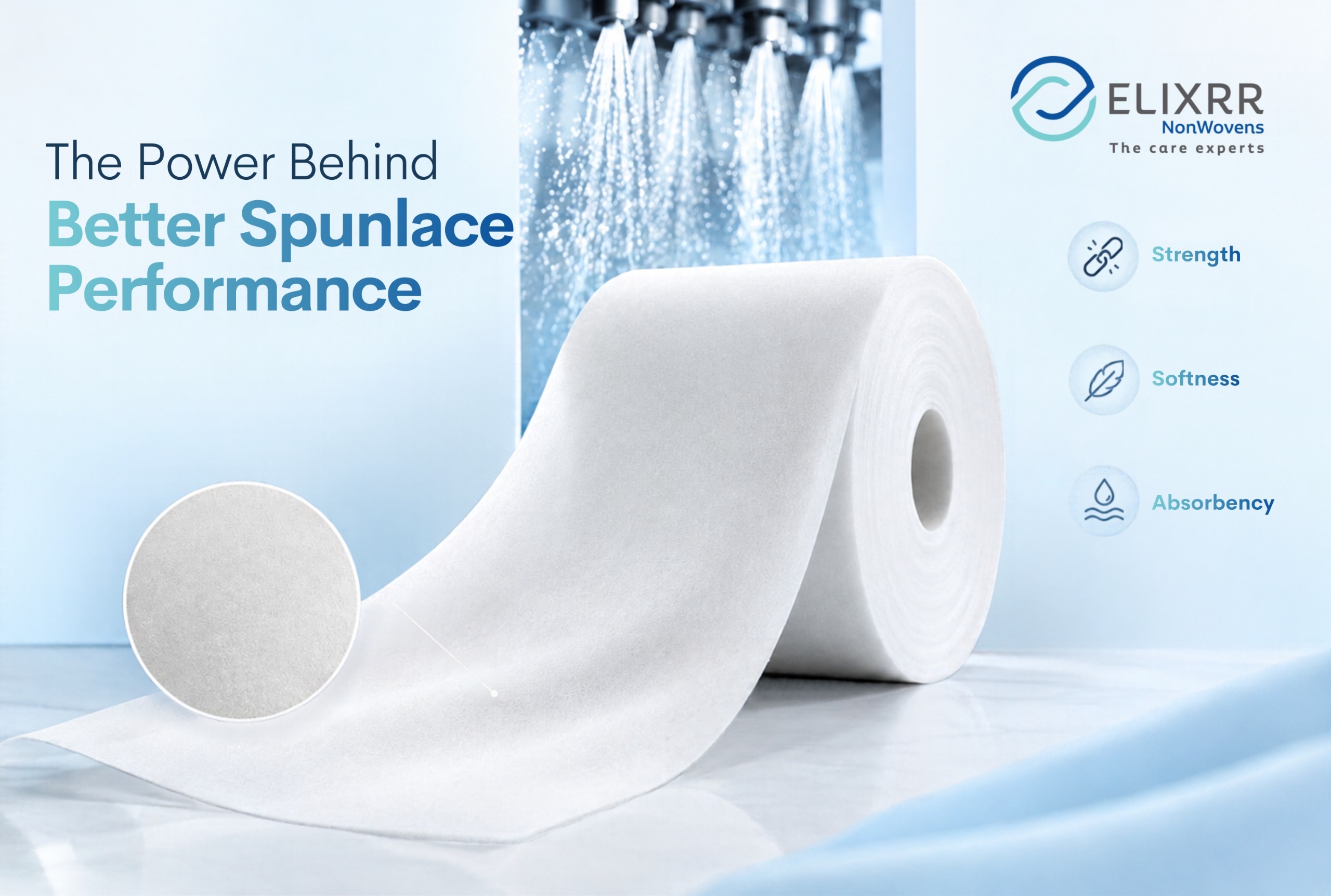
How Hydroentanglement Energy Changes Spunlace Strength, Softness, and Absorbency
Ask a spunlace producer what makes one fabric stronger than another and fibre choice usually comes
28.10.2026
Read Article -
Why Fibre Ratio Can Change Nonwoven Performance Even When GSM Remains Constant
A buyer lines up two spunlace samples. Both are 50 GSM and the price per square metre is close.A buy
20.06.2026
Read Article -
What Should Be Validated Before Moving From a Nonwoven Trial to Commercial Production?
A trial run that performs well doesn't automatically mean you're ready to commit commercial volume.
14.10.2026
Read Article -
Best GSM For Wet Wipes A Procurement Guide for Choosing the Right Spunlace Fabric
Getting the GSM wrong is one of the most common and most expensive mistakes in wet wipes sourcing.
20.06.2026
Read Article - View All Blogs
-
Need nonwoven solutions for your application?
Talk to our team about custom fabrics, sustainability, and product development tailored to your industry.
Explore Recent Blogs
How Wood Pulp Content Affects Wipe Absorbency, Strength and Texture
A cleaning wipe looks like a plain sheet of fabric, but what it’s made from decides how it behave
Read More
What Is Wetlaid Nonwoven Fabric? Process & Uses
Wetlaid nonwoven fabric is an engineered material manufactured by dispersing fibres in water to crea
Read More
How Hydroentanglement Energy Changes Spunlace Strength, Softness, and Absorbency
Ask a spunlace producer what makes one fabric stronger than another and fibre choice usually comes
Read More
Why Fibre Ratio Can Change Nonwoven Performance Even When GSM Remains Constant
A buyer lines up two spunlace samples. Both are 50 GSM and the price per square metre is close.A buy
Read More

Weave Your Success with Our Revolutionary Fabrics
Power your business with Elixrr's cutting-edge nonwoven fabric solutions. Eco-friendly, customizable, and engineered for excellence—because innovation starts with the right foundation.

Fabric is at the heart of everything we wear, use, or even throw away. From the clothes in your wardrobe to the shopping bags you carry, the type of fabric determines durability, comfort, and cost. Non woven fabric and woven fabric are two commonly compared materials used across industries. Understanding the difference between non woven and woven fabrics helps you choose the right material for your application. While they may sound similar, the way they’re made and the way they perform are very different. Let’s break it down.
What Are Woven Fabric?
Woven fabrics are made by interlacing two sets of yarns – warp (lengthwise) and weft (crosswise) – on a loom. This weaving technique creates a crisscross pattern, giving the fabric strength and structure.
Examples of woven fabrics: cotton, denim, satin, linen, polyester blends.
Key characteristics of woven fabrics:
What Are Non Woven Fabric?
Non woven fabrics skip the weaving process entirely. Instead, they are made by bonding fibers together using heat, chemicals, or mechanical pressure. Think of them as pressed mats of fibers rather than interlaced threads.
Examples of non woven fabrics: surgical masks, disposable shopping bags, wet wipes, geotextiles, felt.
Key characteristics of non woven fabrics:
Key Differences Between Woven and Non Woven Fabric
FeatureWoven FabricsNon Woven FabricsProduction MethodInterlaced yarns (warp & weft)Bonded fibers (heat, chemicals, pressure)StrengthHigh, long-lastingModerate, often weakerDurabilityCan last years with careOften designed for single or limited useFlexibilityLimited stretch (unless elastane added)Can be made stiff or flexibleApplicationsClothing, upholstery, bags, curtainsMedical supplies, filters, disposablesCostGenerally higher due to complex productionCheaper, especially in bulkEco-friendlinessDepends on fiber (cotton biodegradable, polyester not)Many recyclable polypropylene options
When to Use Woven Fabric
Woven fabrics are best when you need:
When to Use Non Woven Fabric
Non woven fabrics shine when you need:
Which One Should You Choose?
The choice between woven and non woven depends entirely on purpose:
Final Thoughts
Woven and non woven fabrics are not competitors but problem-solvers for different needs. Woven gives you durability and comfort, while non woven offers versatility, low cost, and disposability. By understanding the strengths of each, you can make smarter choices in clothing, packaging, healthcare, or industrial use.