


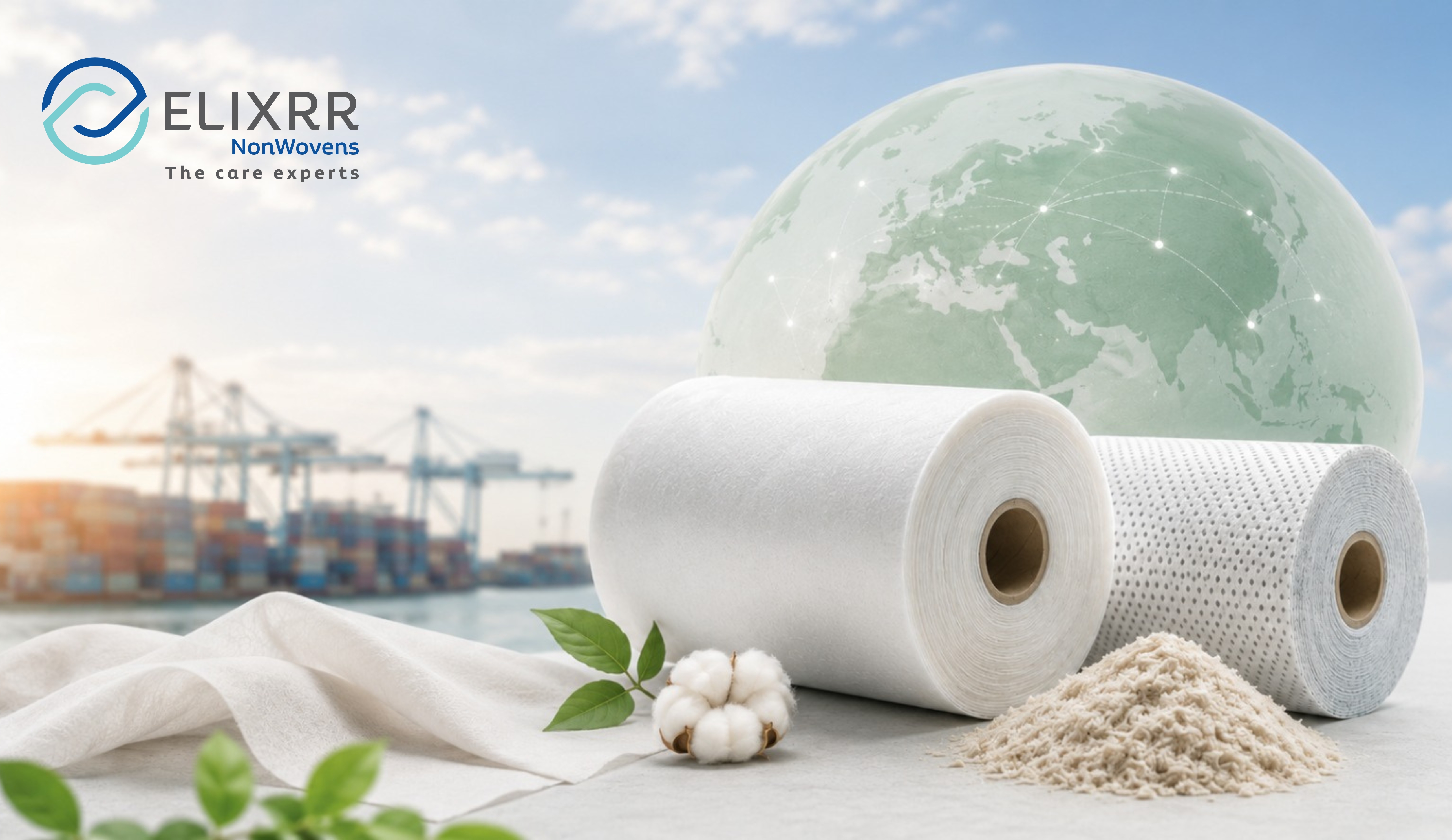
What European Buyers Often Get Wrong About Sourcing Nonwovens from India
Sourcing nonwovens from India is no longer driven by cost alone. This blog explains why European buyers are choosing Indian manufacturers for certified quality, sustainability, export expertise, and reliable supply chains. It also highlights the key factors procurement teams should evaluate, including compliance, material flexibility, documentation, and advanced pulp-based spunlace manufacturing capabilities.
-
Recent Post
-
How Global Wet Wipe Brands Evaluate Nonwoven Fabric Suppliers Before Signing a Contract
Multinational wet wipe brands don't sign with a nonwoven fabric supplier off a single sample and a g
08.09.2026
Read Article -
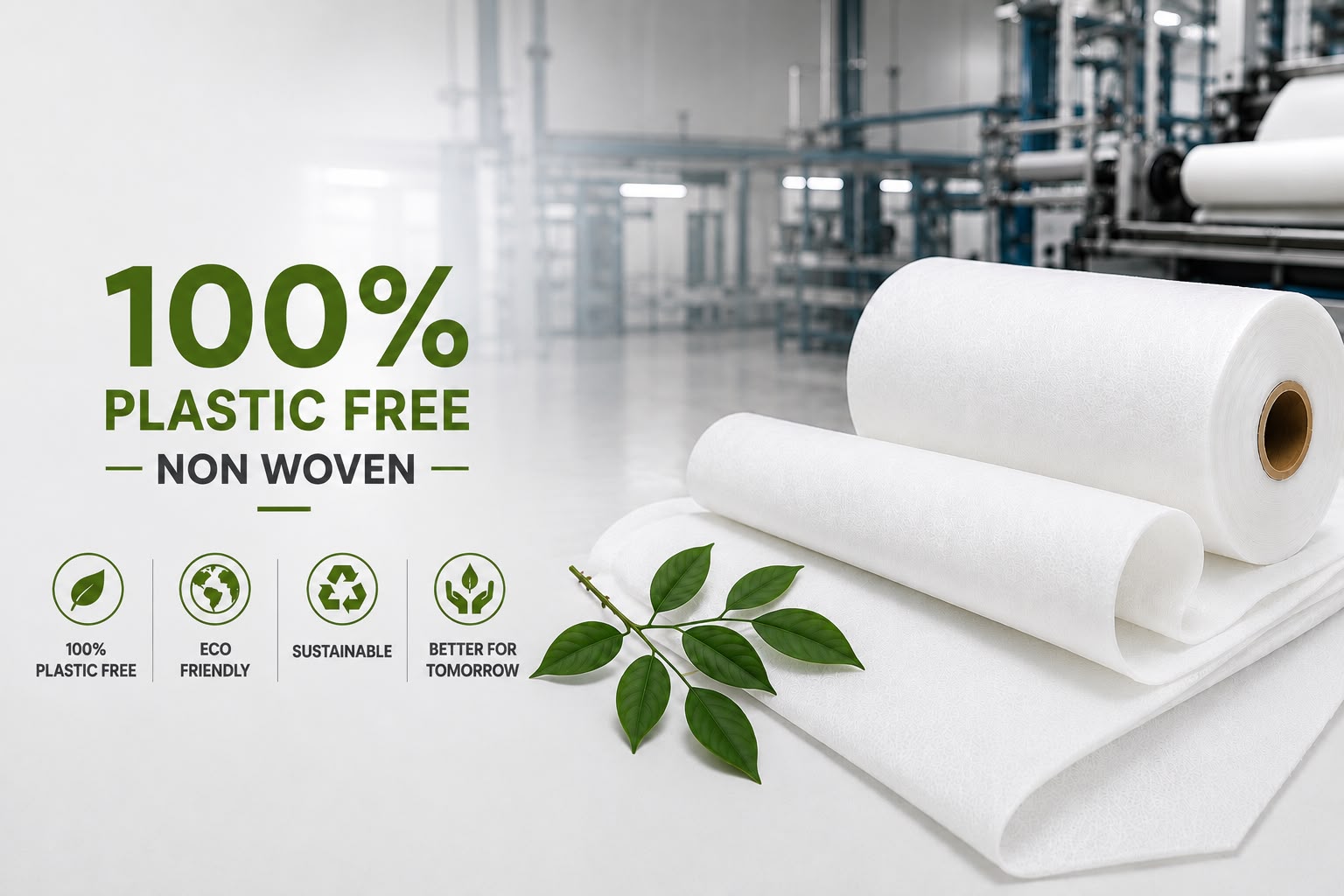
100 Percent Plastic Free Nonwovens: What Global Buyers Need to Know in 2026
Learn how plastic-free nonwoven materials are helping brands meet evolving EU and US sustainability
14.08.2026
Read Article -
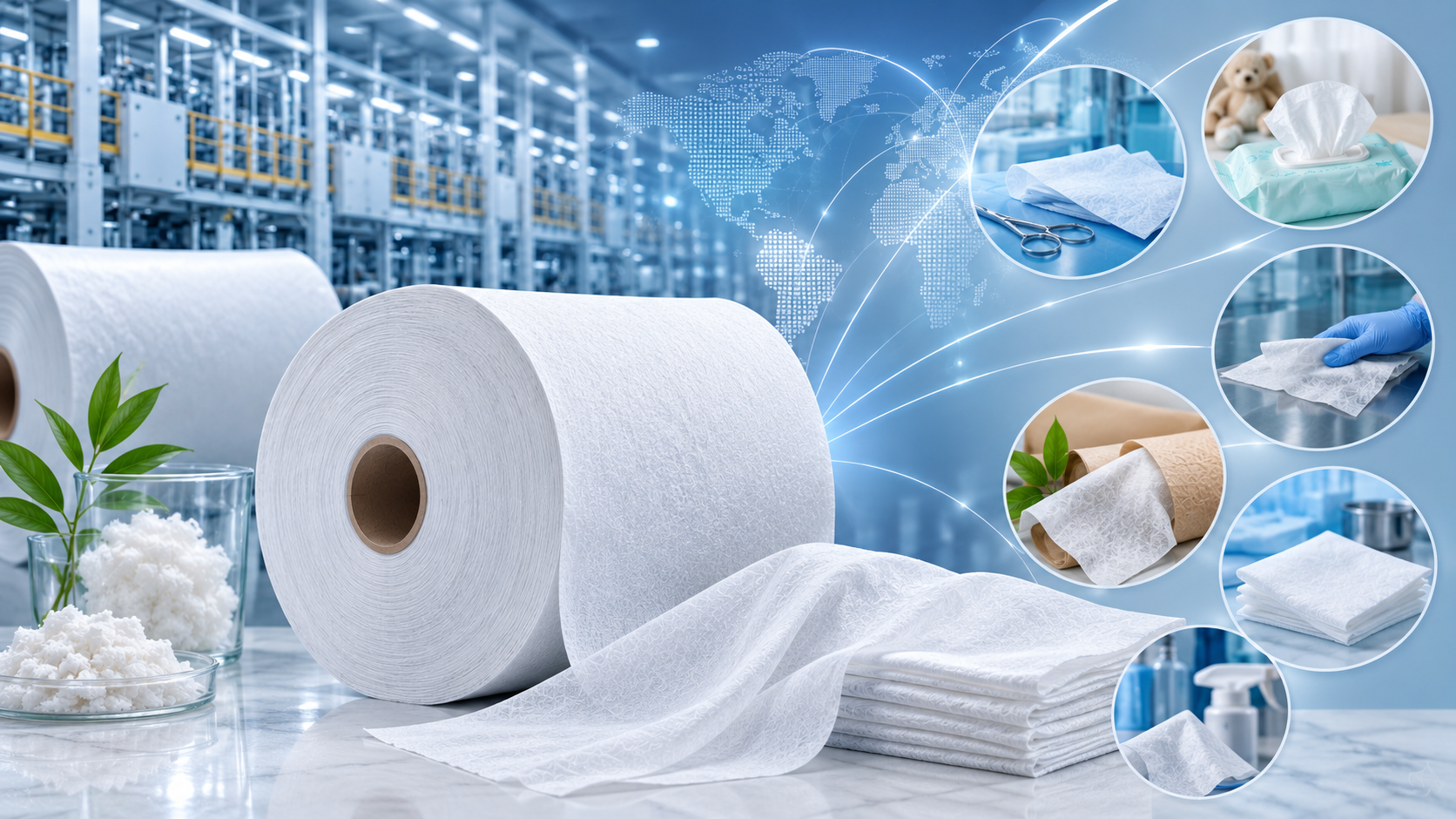
Why Multi-Application Nonwoven Manufacturing Matters to Global Buyers
Discover why global buyers are choosing multi-application nonwoven manufacturers to simplify procure
07.08.2026
Read Article -
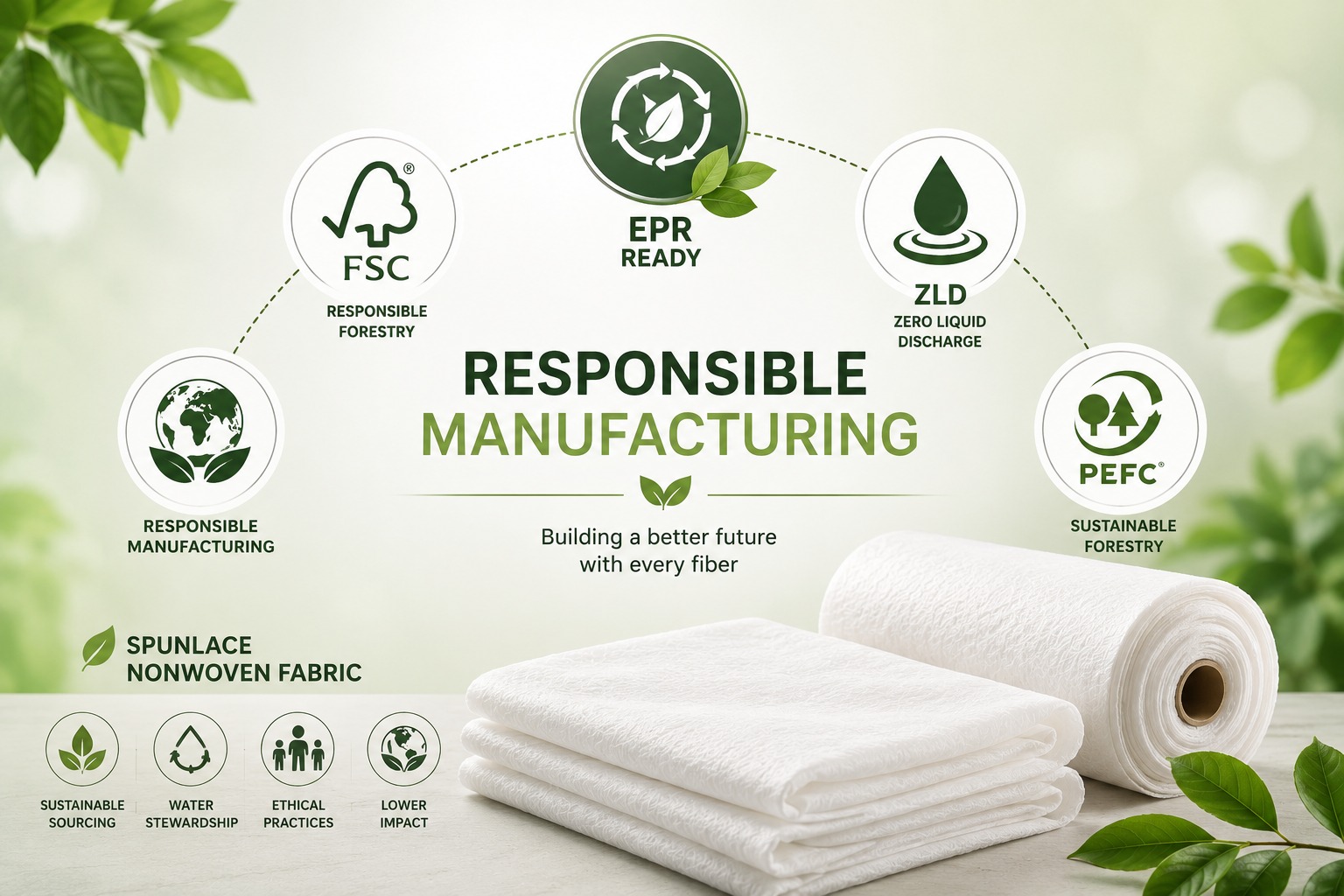
Beyond the Material: What Global Buyers Should Know About Responsible Nonwoven Manufacturing
Responsible nonwoven manufacturing enables global buyers to meet ESG goals through ZLD, FSC and PEFC
22.07.2026
Read Article -

Medical Nonwovens in 2026: What Global Healthcare Buyers Should Prioritise
Learn what global healthcare buyers should prioritise when sourcing medical spunlace nonwovens in 20
15.07.2026
Read Article -
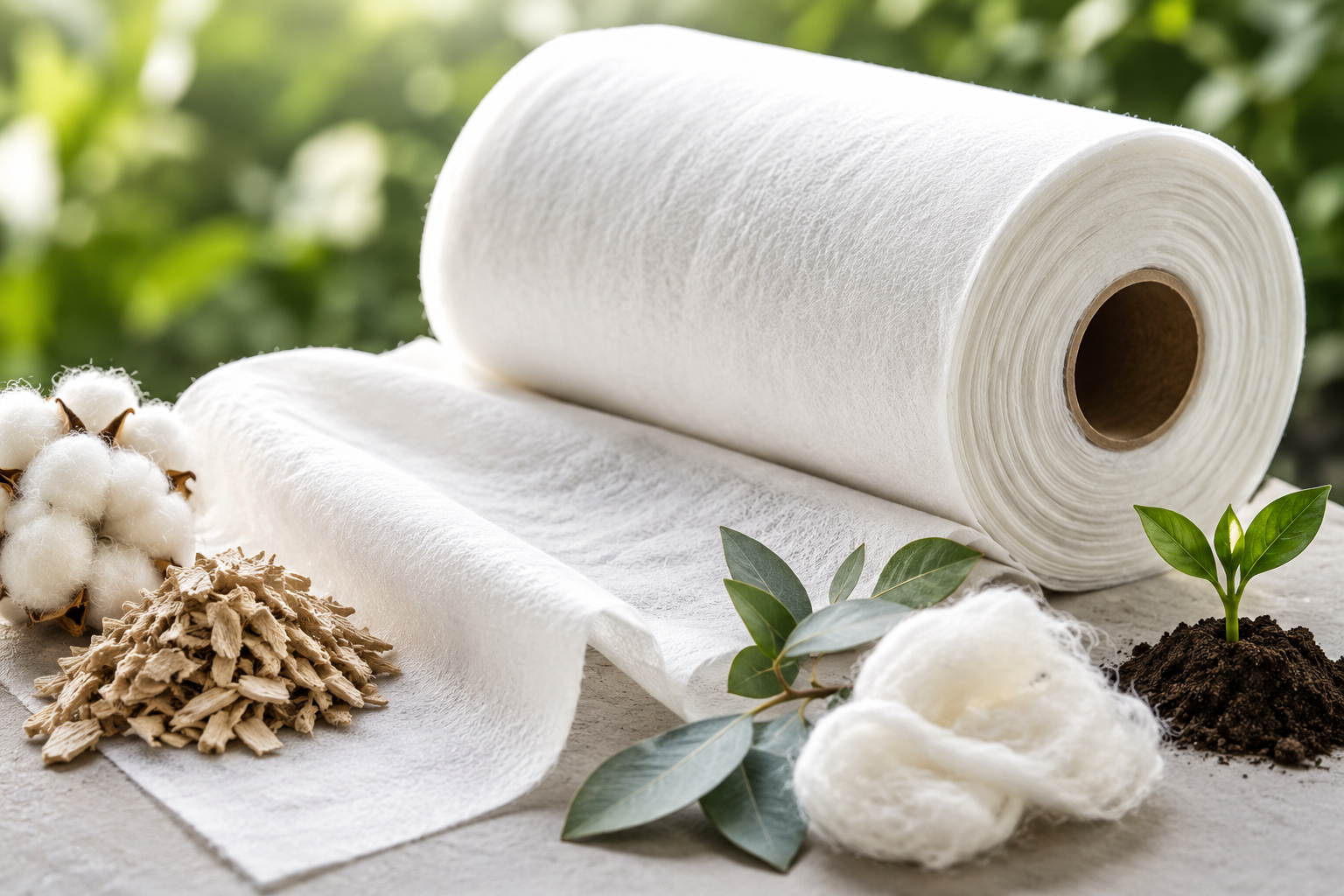
Sustainable Nonwoven Fabric: Are Nonwovens Eco-Friendly?
Discover whether sustainable nonwoven fabric is truly eco-friendly, biodegradable, and recyclable. T
07.07.2026
Read Article - View All Blogs
-
Need nonwoven solutions for your application?
Talk to our team about custom fabrics, sustainability, and product development tailored to your industry.
Frequently Asked Questions
Know everything — be it our products, our process, or why nonwovens are so cool.
What should buyers consider when sourcing nonwovens from India?
When sourcing nonwovens from India, buyers should evaluate certifications, quality management systems, export experience, production capacity, material flexibility, sustainability practices, and the supplier's ability to provide complete technical and compliance documentation.
Are Indian nonwoven manufacturers suitable for European quality standards?
Yes. Many companies sourcing nonwovens from India work with manufacturers that follow international quality standards such as ISO 9001, ISO 14001, FSC, PEFC, and Zero Liquid Discharge (ZLD), making them well-equipped to serve European markets.
How do buyers evaluate an Indian nonwoven supplier?
Before sourcing nonwovens from India, buyers should review certifications, quality control processes, export history, sustainability credentials, production scalability, technical support, and documentation to ensure long-term supply chain reliability.
Can Indian nonwoven manufacturers support large-scale global supply?
Yes. Leading manufacturers involved in sourcing nonwovens from India offer scalable production, consistent product quality, international certifications, and experience supplying customers across Europe and other global markets.
Explore Recent Blogs
How Global Wet Wipe Brands Evaluate Nonwoven Fabric Suppliers Before Signing a Contract
Multinational wet wipe brands don't sign with a nonwoven fabric supplier off a single sample and a g
Read More
100 Percent Plastic Free Nonwovens: What Global Buyers Need to Know in 2026
Learn how plastic-free nonwoven materials are helping brands meet evolving EU and US sustainability
Read More
Why Multi-Application Nonwoven Manufacturing Matters to Global Buyers
Discover why global buyers are choosing multi-application nonwoven manufacturers to simplify procure
Read More
What European Buyers Often Get Wrong About Sourcing Nonwovens from India
Sourcing nonwovens from India is no longer driven by cost alone. This blog explains why European buy
Read More

Weave Your Success with Our Revolutionary Fabrics
Power your business with Elixrr's cutting-edge nonwoven fabric solutions. Eco-friendly, customizable, and engineered for excellence—because innovation starts with the right foundation.

Ask a procurement leader about sourcing nonwovens from India, and the answer usually falls into one of two categories: India is where you go when cost is the priority, or India is the backup when your main supplier cannot deliver. Both assumptions are outdated. India has become a destination for quality-led, sustainability-focused, export-ready nonwoven manufacturing. Procurement teams in France, Germany, and across Europe need a better picture of what nonwoven manufacturers in India actually offer today.
Key Takeaways
The Idea That It Is All About Cost
Yes, India can compete on cost. But thinking of India only as a cheap option misses the point. When procurement teams evaluate only on price per kilogram, they ignore the things that actually make sourcing work: quality, compliance, traceability, sustainability, and communication.
A manufacturer offering 20% savings but needing corrective action on three shipments out of five is not a deal. A supplier that understands regulations, gives clear documentation, and ships consistent products is a strategic partner, regardless of where the price per kilogram lands.
This matters particularly now. European firms are accelerating efforts to diversify away from Chinese supply chains as Beijing's self-reliance drive and export controls deepen global trade uncertainty. In spunlace nonwovens, India is the natural destination for that diversification. The manufacturing base is established and export-oriented. Leading Indian manufacturers, like Elixrr, are certified to the standards European buyers already require.
What Modern Procurement Prioritises When Sourcing Nonwovens from India
Procurement leaders looking at India-based suppliers should focus on five areas that modern European supply chains need:
Quality Consistency: Does the supplier have certified quality systems? Can they ensure every batch matches in thickness, softness, absorbency, and strength?
Compliance and traceability: Are they set up for regulatory requirements ? Can they give material documents, audit trails and sustainability reports?
Sustainability and Certification: Do they have certifications like FSC, PEFC, ISO 14001 or zero-liquid-discharge? Can they show material sourcing and environmental care?
Capacity and Scalability: Can they handle your current volume and grow with you? Are they flexible enough to adjust their manufacturing to your needs?
Communication and Responsiveness: Do they speak your language? Can they reply quickly to quote requests, offer support, and join in strategic talks?
Why Pulp-Based Spunlace Matters for European Buyers
Pulp-based spunlace is becoming more important for categories like hygiene, healthcare, wipes and packaging. It offers biodegradability, documented fibre traceability, and in Pulp + Lyocell compositions, a 100% plastic-free substrate that European brands and private label teams need.
Most Indian nonwoven exporters supply pulp + viscose blends. Lyocell-capable manufacturing is rare in the Indian export market. It is a specification that most suppliers simply cannot fulfil. Elixrr's manufacturing capability in Pulp + Lyocell spunlace across EcoSpun+™ and SoftSpun™ gives European buyers a qualified single-source supplier for this exact specification — plastic-free, documented, and available without distributor markups or documentation gaps.
For buyers, this means you get a material that is becoming more important, from a manufacturer who can support you from start to finish.
What to Assess When Sourcing Nonwovens from India
Certifications: Ask for certificates and verification of scope for ISO 9001 ISO 14001 FSC, PEFC and zero-liquid-discharge.
Quality Systems: Ask for QC documents, sampling procedures and corrective action processes. Ask for references from European customers.
Export Experience: How long have they been exporting? Which countries do they supply now? Do they have experience with your application or customer type?
Material Flexibility: Can they work with your fiber blends? Do they offer custom compositions? How quickly can they adapt to your specifications?
Documentation and Communication: How responsive are they? Do they provide safety data sheets, compliance documents, and regular business communications in English?
A supplier that cannot produce this documentation clearly during qualification will not produce it cleanly at a regulatory audit.
Conclusion
India is not a backup option. For European procurement teams, it is a sourcing destination that competes on every dimension that matters, such as quality systems, certifications, export track record, and material capability. Modern supply chains need partners, not vendors. If your team is still approaching Indian nonwoven manufacturers through a cost-only frame, it’s time to look at Indian suppliers through a new lens. #CareInPerformance
To start a direct sourcing conversation with Elixrr or request specification sheets and samples, speak to the team. Full manufacturing capability and certification details are at elixrrnonwovens.com/about.